How much does it cost to replace siding on a house?

If you are researching siding replacement, you have likely noticed a wide range of price estimates online. One source suggests siding replacement is relatively inexpensive, while another implies it can rival the cost of a major renovation. Both perspectives can be misleading. The cost to replace siding is not a fixed number. It varies based on the size of your home, the material you choose, labor rates, and local construction requirements.
National averages offer a useful starting point, but they rarely reflect real-world pricing for homeowners in Illinois. Climate conditions, building codes, and regional labor costs all influence the final total. This guide explains what siding replacement realistically costs in 2025 and how those numbers apply to homeowners working with Sunrise Exteriors. By the end, you will understand what drives the price, what is reasonable for your home, and how to budget with confidence instead of guesswork.
Average Cost to Replace House Siding in 2025
In 2025, the average cost to replace siding ranges from approximately $4 to $13 per square foot installed. For most homeowners, this place's total project costs between $10,000 and $32,500 for a typical 2,500-square-foot home. These figures generally include both materials and professional labor.
For a 2,000-square-foot home, total costs commonly fall between $12,000 and $27,000, depending on material selection and installation complexity. Vinyl and engineered wood siding tend to sit toward the lower end of the range, while fiber cement, steel, brick, and stone increase costs due to higher material prices and longer installation times.
These figures represent national averages. In Illinois, pricing may shift slightly due to permit requirements, weather-related installation standards, and labor rates. This is why experienced local contractors rely on property-specific inspections rather than generic online calculators. A professional evaluation ensures the estimate reflects your home’s actual layout, condition, and long-term performance needs.
Cost to Replace Siding by Home Size
Home size directly affects siding replacement cost because it determines how much material is required and how many labor hours are needed. Larger exterior wall areas also increase trim work and setup time, which raises overall pricing.
- 1,000 sq ft homes: approximately
$6,000 to $13,500
- 1,500 sq ft homes: approximately
$8,000 to $20,000
- 2,000 sq ft homes: approximately
$12,000 to $27,000
- 2,500 sq ft homes: approximately
$15,000 to $32,500
- 3,000+ sq ft homes: often $25,000 to $40,000 or more
Multi-story homes, steep rooflines, and complex architectural features can increase labor costs even if square footage is similar. Accurate measurements and professional planning become increasingly important as home size grows.
Cost to Replace Siding by Material
Siding material has a significant impact on upfront cost, durability, maintenance requirements, and long-term value. Each option comes with tradeoffs that affect both immediate pricing and future expenses.
- Vinyl siding:
$4 to $10 per sq ft installed
Affordable, low-maintenance, and the most common residential option. - Aluminum siding:
$4 to $7 per sq ft installed
Durable and rot-resistant, though less commonly installed today. - Engineered wood siding:
$5 to $9 per sq ft installed
Offers a wood appearance with better resistance to moisture when properly installed. - Fiber cement siding:
$6 to $14 per sq ft installed
Highly durable, fire-resistant, and well-suited for Illinois weather conditions. - Natural wood siding:
$7 to $15+ per sq ft installed
Visually appealing but requires regular maintenance and upkeep. - Steel siding:
$7 to $16 per sq ft installed
Extremely durable with higher material and labor costs. - Stucco siding:
$7 to $12 per sq ft installed
Less common in the Midwest and requires proper structural preparation. - Brick or stone veneer:
$10 to $30 per sq ft installed
Premium materials that add weight, labor complexity, and long-term durability.
Material selection should account for climate, home design, and maintenance expectations—not price alone.
What Factors Affect the Cost of Siding Replacement
Beyond square footage and material choice, several factors influence final pricing. Labor is one of the largest contributors and typically accounts for 40 to 60 percent of the total project cost. Professional installation generally ranges from $1.50 to $4 per square foot, depending on complexity.
Home height and layout also affect pricing. Multi-story homes require additional safety equipment and setup time. Architectural details such as dormers, angles, and decorative trim further increase labor hours.
Location matters as well. In Illinois, permits and inspections are commonly required and must be included in the overall budget. Existing siding conditions also play a role. Older or damaged siding often takes longer to remove, especially if rot or moisture damage is discovered underneath.
Additional Costs Homeowners Often Overlook
Many homeowners focus on siding material prices while underestimating secondary costs that affect the final total. Removing existing siding typically adds $0.75 to $2 per square foot, depending on material type and disposal requirements.
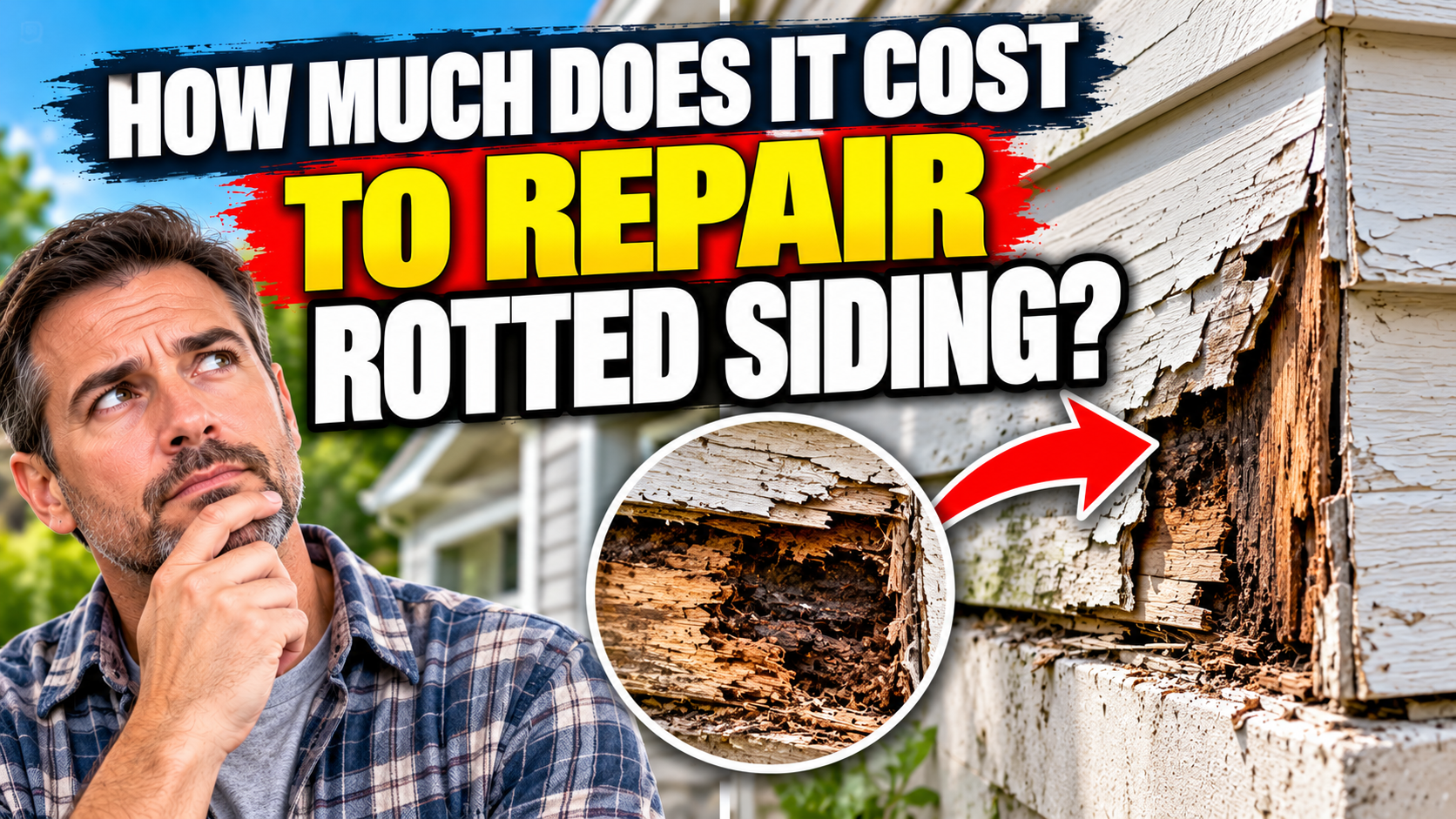
Hidden damage is another common issue. Once old siding is removed, problems such as rotted sheathing or water intrusion may be uncovered. Repairs can range from several hundred dollars to several thousand, depending on severity.
Optional upgrades such as added insulation, flashing improvements, or trim replacement increase costs but can significantly improve energy efficiency and long-term durability. Because the exterior walls are already exposed, these upgrades are often most cost-effective during siding replacement.
Partial vs Full Siding Replacement

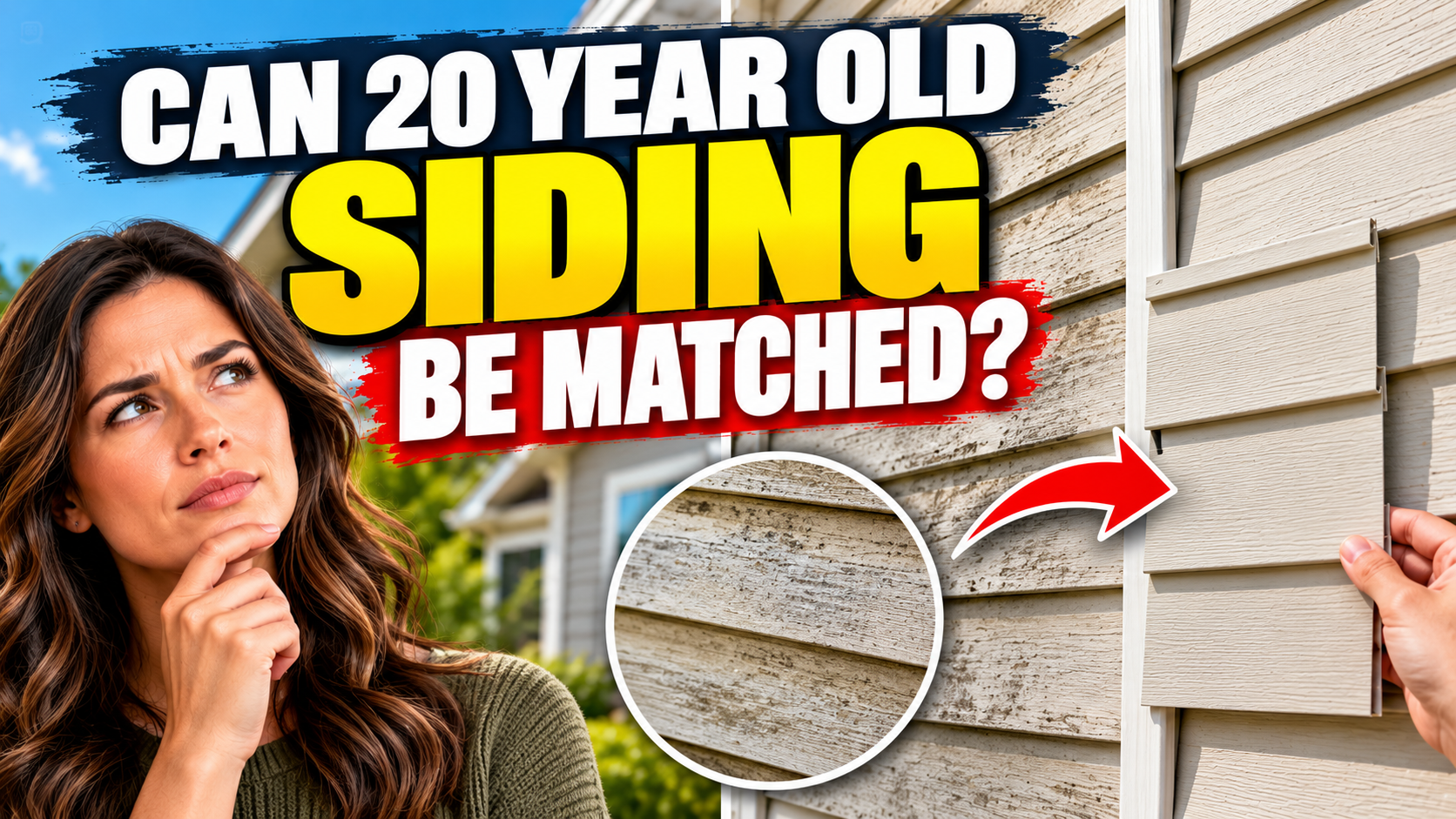
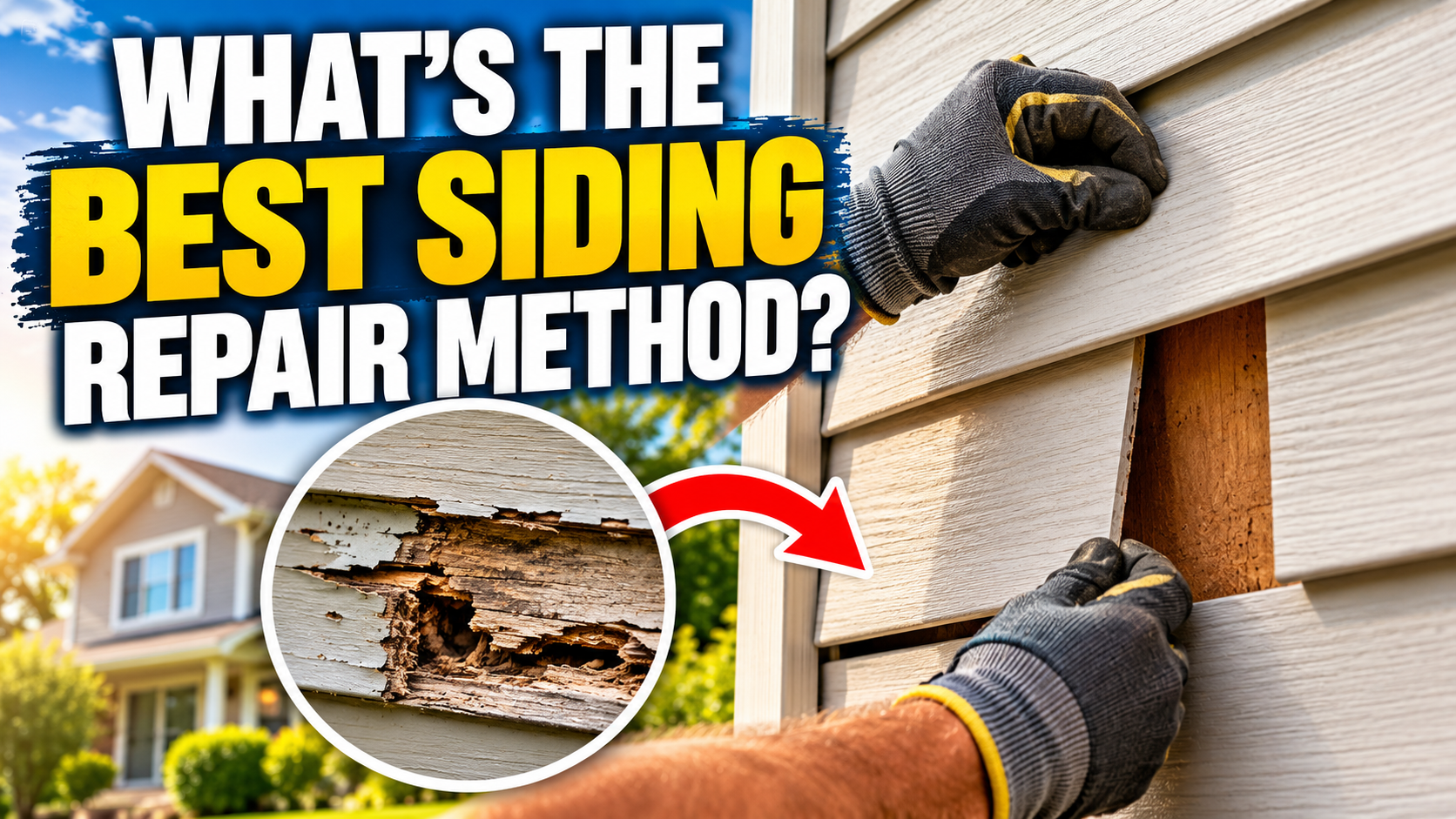
Some homeowners consider replacing only damaged sections of siding to reduce upfront costs. While this approach can work in limited situations, it is not always the most cost effective solution long term. Matching new siding to older materials can be difficult, and uneven wear often becomes noticeable over time.
A full siding replacement typically costs more initially but delivers better consistency in appearance, performance, and protection. It also allows contractors to inspect the entire exterior for hidden issues such as moisture damage or poor insulation. In many cases, replacing all siding at once prevents recurring repairs and higher cumulative costs.
Professionals often recommend evaluating the age and condition of existing siding before choosing a partial replacement. When large sections show wear or damage, a full replacement usually provides greater value and peace of mind.
Is Siding Replacement Worth the Cost
Siding replacement is more than an aesthetic improvement. It protects the home from wind, moisture, and temperature extremes, an important consideration in Illinois. Modern siding systems can also improve energy efficiency when paired with proper insulation, helping reduce heat loss and improve indoor comfort.
Curb appeal plays a key role in resale value as well. A well-maintained exterior creates a strong first impression and can increase buyer interest. For many homeowners, the combined benefits of durability, efficiency, and appearance make siding replacement a worthwhile long-term investment.
How Much Does Siding Replacement Cost in St. Charles Illinois Specifically
National averages provide helpful context, but they do not always reflect local pricing. In St. Charles and surrounding communities, labor rates, permit requirements, and weather-driven construction standards all influence cost.
Siding replacement in this area generally falls within national ranges but often trends toward the middle or upper end when higher-quality materials or multi-story homes are involved. Older homes may also require additional preparation once existing siding is removed, making a local evaluation essential for accurate budgeting.
How to Get an Accurate Siding Replacement Quote
Online calculators offer rough estimates, but an accurate quote requires an in-person assessment. A professional evaluation includes precise exterior measurements, inspection of wall conditions, and identification of architectural features that affect labor time.
A detailed estimate should clearly outline material costs, labor, removal of existing siding, and allowances for potential repairs. Asking about timelines, warranties, and installation methods helps ensure you are making a well-informed decision. A local, transparent quote turns a broad price range into a realistic plan tailored to your home.
Conclusion
The cost to replace siding depends on home size, material choice, labor, and local conditions. While national averages provide a useful reference point, they cannot account for the specific needs of homes in St. Charles and surrounding Illinois communities.
Understanding these cost drivers allows homeowners to budget realistically and avoid unexpected expenses. Siding replacement is not just a cosmetic update—it is an investment in protection, energy efficiency, and long-term property value. Working with a trusted local contractor is the final step in turning estimates into accurate, dependable pricing.
Recent Posts