Does the color of a new roof increase home value?
Does the color of a new roof increase home value?
Introduction: The Detail Buyers Notice Before They Even Walk Inside
A home does not get a second chance at a first impression. Before a buyer notices the kitchen layout or the natural light in the living room, they have already made a quiet judgment from the curb. The lines of the house.
The condition of the exterior. And sitting above it all, the roof.
It is easy to think of roof color as a purely aesthetic decision. Something personal. Something that simply needs to look good from the street. But in reality, that color choice carries weight. It can make a home feel modern or dated.
Cohesive or disconnected. Move in ready or in need of work.
This is where the question starts to sharpen. Does the color of a new roof actually increase home value or is it just visual preference dressed up as strategy? The answer lives in the space between design and psychology, where perception quietly shapes price.
The Short Answer: Yes, But Not in the Way Most People Think
Yes, the color of a new roof can increase home value, but not as a simple dollar for dollar upgrade. It does not work like adding square footage or finishing a basement. Instead, it works more subtly, influencing how buyers feel about the home the moment they see it.
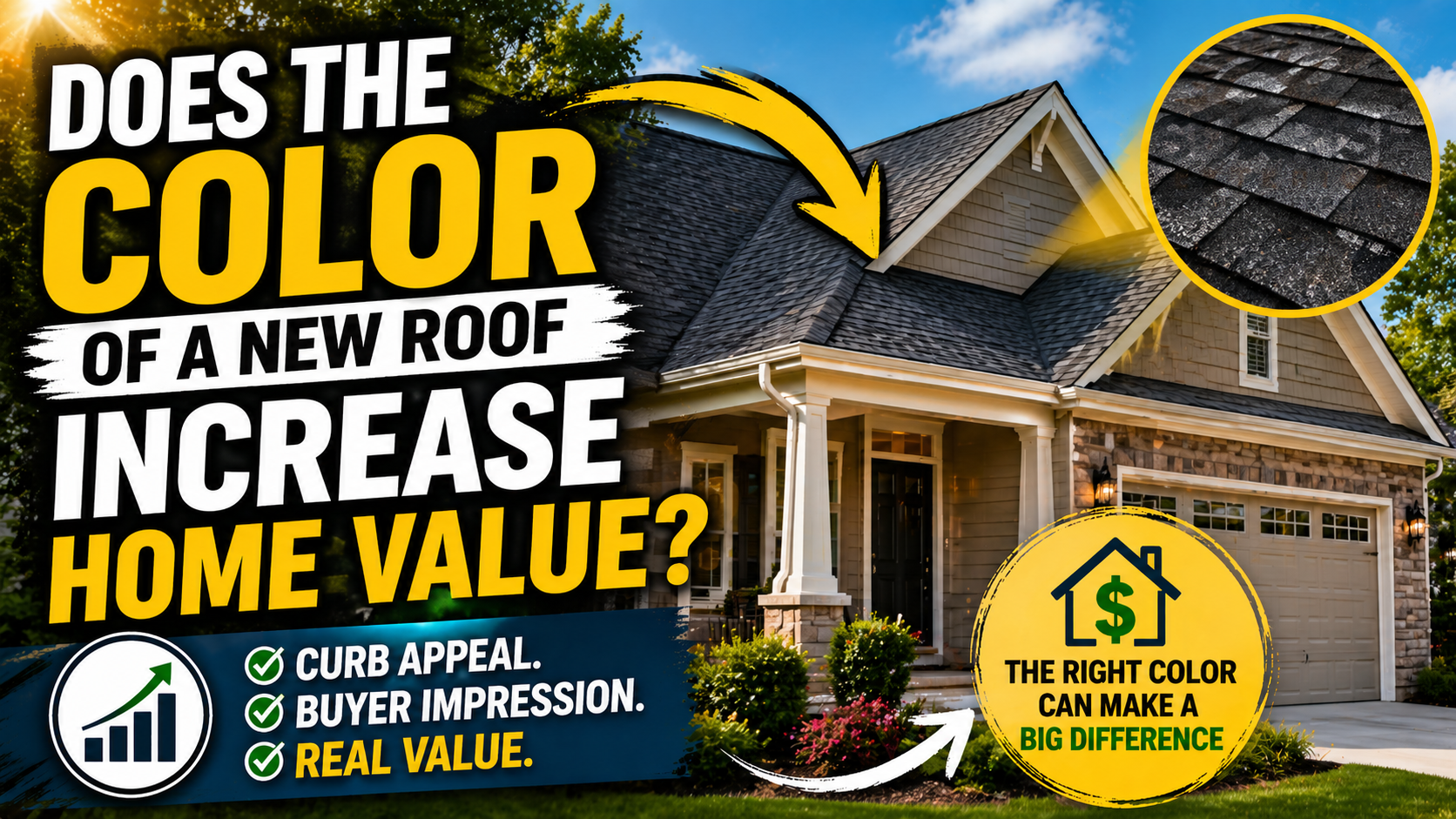
A well chosen roof color improves curb appeal, which directly affects how desirable a property appears. When the roof complements the siding, trim, and overall architecture, the home feels intentional and complete. That sense of cohesion signals quality. Buyers often translate that feeling into a willingness to pay more or move faster.
On the other hand, a poorly chosen color can create hesitation. Even if the roof is brand new, a mismatched or unusual color can make the home feel off balance. That hesitation can narrow the buyer pool and quietly drag down perceived value.
This is why the smartest homeowners treat roof color as a strategic decision rather than a cosmetic one. And it is also why working with an experienced company like Sunrise Exterior can make the difference between a roof that simply covers a home and one that actively elevates it.
What Actually Drives Home Value: Perception Is Power
Home value is not just built with materials. It is built with perception. Buyers do not walk up to a house calculating line item costs in their head. They react. Instantly. Emotionally. Then they justify that feeling with logic after the fact.
A roof plays directly into that first reaction. When the color works with the rest of the home, everything feels sharper. The siding looks cleaner. The trim pops. The entire property feels more current, more intentional, more taken care of. That creates a powerful impression of quality, even if nothing else has changed.
This is where the idea of move in ready comes into play. A home that looks visually complete removes friction for buyers. It signals that they will not need to fix or rethink anything right away. That ease often translates into stronger offers and faster decisions.
On the flip side, when the roof color clashes or feels disconnected, it introduces doubt. Buyers start to question what else might be off. Even small visual inconsistencies can plant hesitation, and hesitation is the enemy of strong perceived value.
The Safest Bet: Why Neutral Roof Colors Win the Market
If the goal is to support home value, neutral roof colors consistently come out on top. Think charcoal, dark gray, black, brown, or weathered wood tones. These shades do not demand attention. They support the home instead of competing with it.
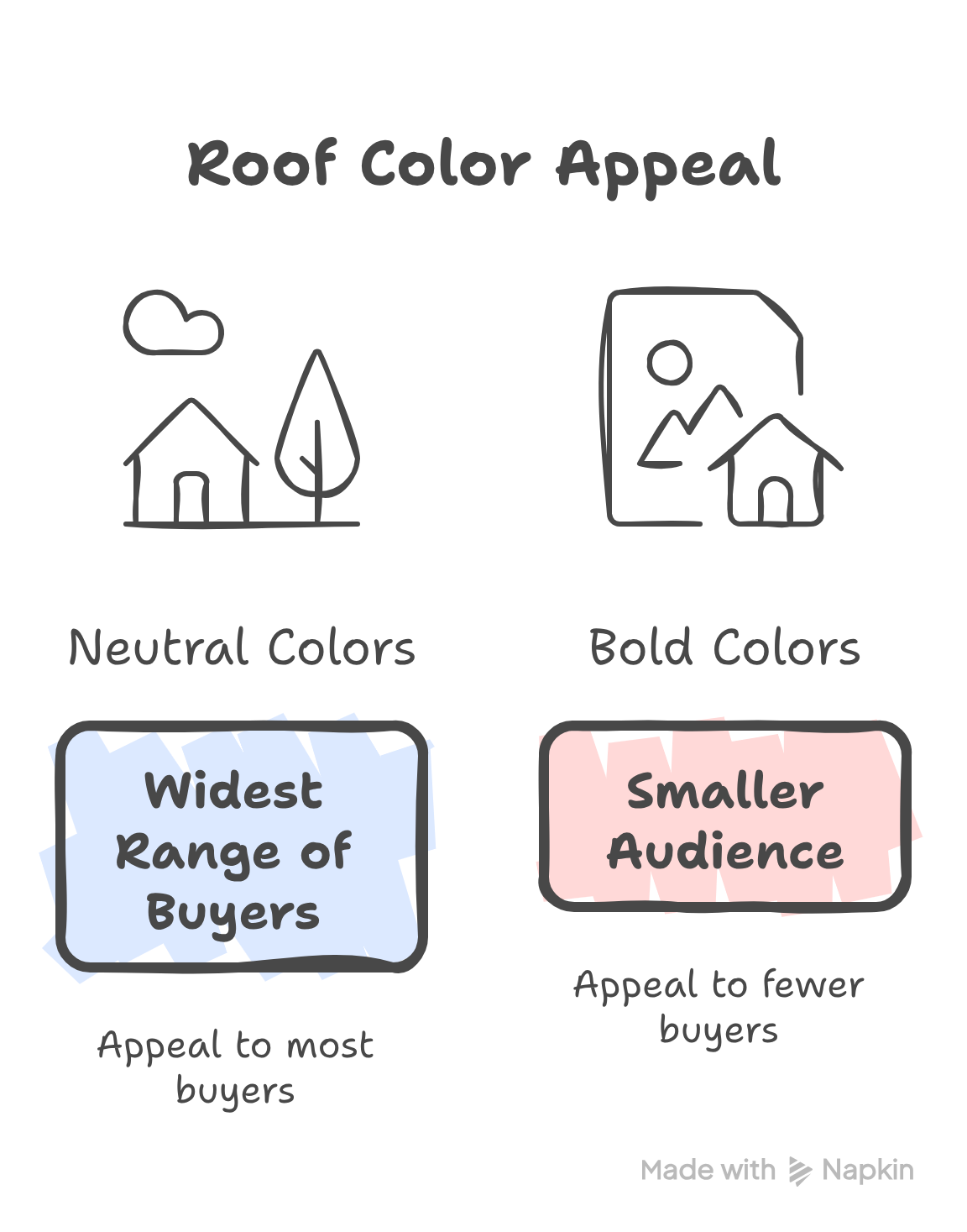
The reason is simple. Neutral colors appeal to the widest range of buyers. They fit across architectural styles and blend easily with different siding colors and trim combinations. They feel timeless rather than trendy, which makes buyers more comfortable committing to the home.
A bold or unusual roof color might reflect personal taste, but real estate is not about personal taste. It is about market appeal. The more specific the look, the smaller the audience. And a smaller audience often means fewer offers and more time on the market.
This is why experienced contractors such as Sunrise Exterior often guide homeowners toward colors that balance style with broad appeal. It is not about playing it safe for the sake of it. It is about choosing a color that works with the home today and still works for the next buyer tomorrow.
When Color Goes Wrong: How the Wrong Choice Can Hurt Value
It is easy to assume that a new roof automatically adds value. But color can quietly undo that advantage. When a roof feels out of place, it draws attention for the wrong reasons. Instead of elevating the home, it becomes the thing buyers cannot ignore.
A mismatch between the roof and the rest of the exterior can make even a well maintained home feel disjointed. Bright or unconventional colors tend to age quickly in the eyes of the market. What feels bold today can feel outdated tomorrow. And buyers notice that risk.
This is where hesitation creeps in. A buyer may not be able to articulate exactly what feels off, but they feel it.
That uncertainty can lead to lower offers or no offer at all. In a competitive market, small visual missteps can have outsized consequences.
Climate and Location: Why Illinois Homes Play by Different Rules
Not every market plays by the same aesthetic rules. In Illinois and across the Midwest, roof color choices are shaped by both climate and local expectations.
Darker tones tend to dominate. Charcoal, deep gray, and black are common because they align with the architectural styles found throughout the region and can help absorb heat during colder months. They also pair well with the brick and siding colors seen across many Illinois neighborhoods.
There is also a subtle but important factor at play. Buyers often expect homes to look consistent with the surrounding area. A roof that feels out of sync with nearby homes can stand out in a way that hurts rather than helps.
This is why local expertise matters. A company like Sunrise Exterior understands not just roofing materials, but what buyers in Illinois actually respond to. That insight can shape decisions that support both comfort and resale.
Beyond Looks: Can Roof Color Impact Energy Efficiency
While curb appeal does most of the heavy lifting, roof color can also play a role in energy performance.
Lighter roofs tend to reflect more sunlight, which can help reduce cooling demands in warmer climates. Darker roofs absorb more heat, which can be beneficial in cooler regions where retaining warmth matters more over the course of the year.
In Illinois, where winters are a defining part of the climate, darker tones often make practical sense. While the energy impact alone may not dramatically increase home value, it can contribute to a home that feels efficient and well considered.
Buyers may not run the numbers on energy transfer, but they do respond to homes that feel comfortable and thoughtfully designed.
Choosing the Right Roof Color: A Practical Framework
The best roof color decisions are not made in isolation. They are made by looking at the entire home as one cohesive design.
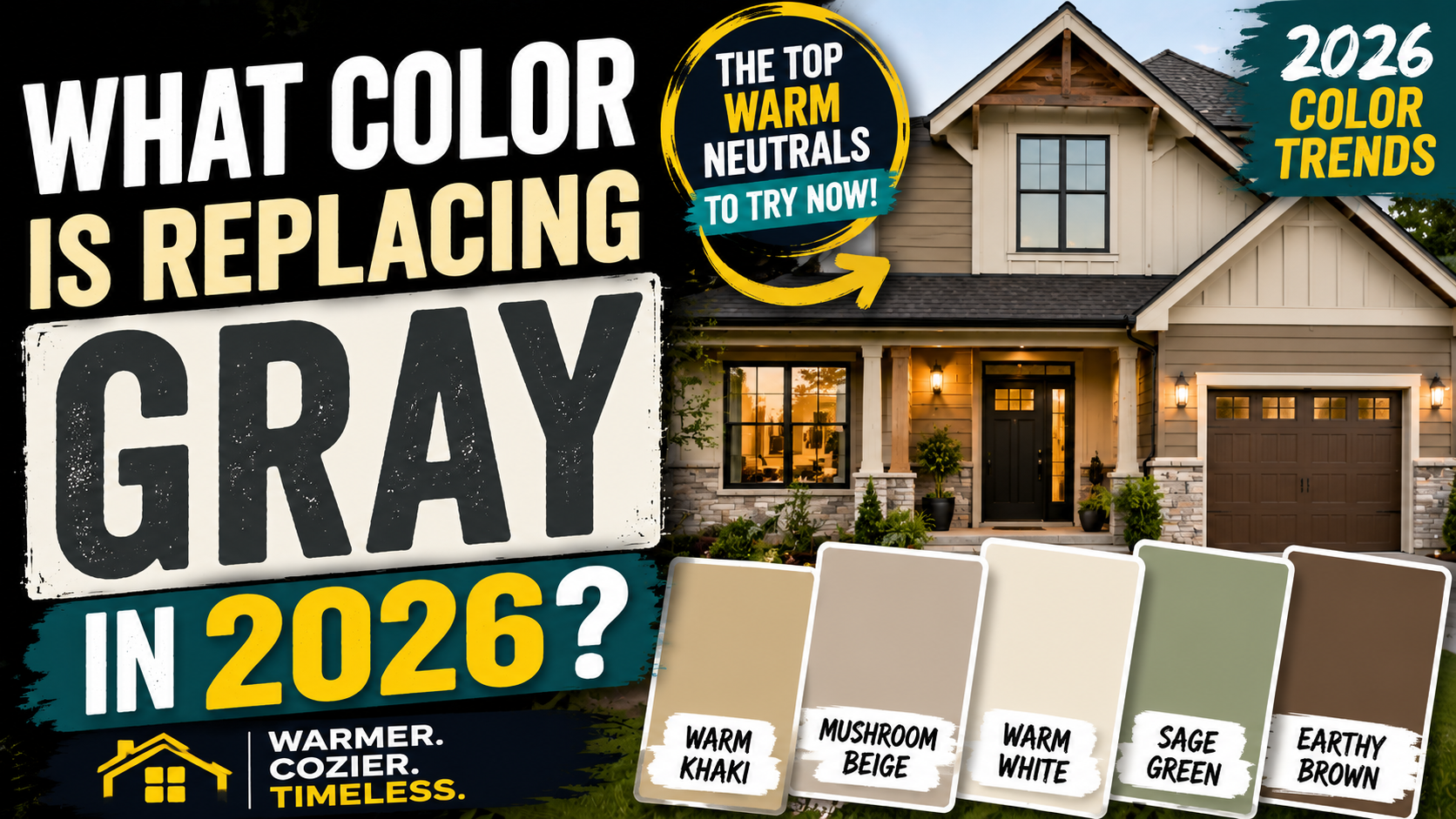
Start with the exterior palette. The siding, trim, brick, and even landscaping all play a role. The roof should tie these elements together rather than compete with them.
Next, consider the neighborhood. Homes that feel aligned with their surroundings tend to perform better on the market. Standing out is not always the advantage homeowners think it is.
Then think long term. A roof is not a short term upgrade. It needs to look right today and still feel right years from now when it is time to sell.
This is where working with professionals becomes more than helpful. It becomes strategic. Experienced teams like Sunrise Exterior help homeowners see the full picture before making a decision that will define the home for decades.
The Right Color Does Not Just Finish the Roof, It Frames the Entire Home
So does the color of a new roof increase home value. Yes, but not in isolation. It works through perception, through first impressions, and through the quiet signals that tell a buyer a home is complete, cohesive, and worth their attention.
The right color can make a home feel sharper, newer, and more desirable. It can widen the pool of interested buyers and create momentum the moment the property hits the market. The wrong color can do the opposite just as quickly.
This is why roof color is not a finishing touch. It is a strategic decision that shapes how the entire home is seen.
For homeowners in Illinois, making that decision with guidance from a trusted expert like Sunrise Exterior can be the difference between a roof that simply protects and one that actively adds value where it matters most.
Recent Posts