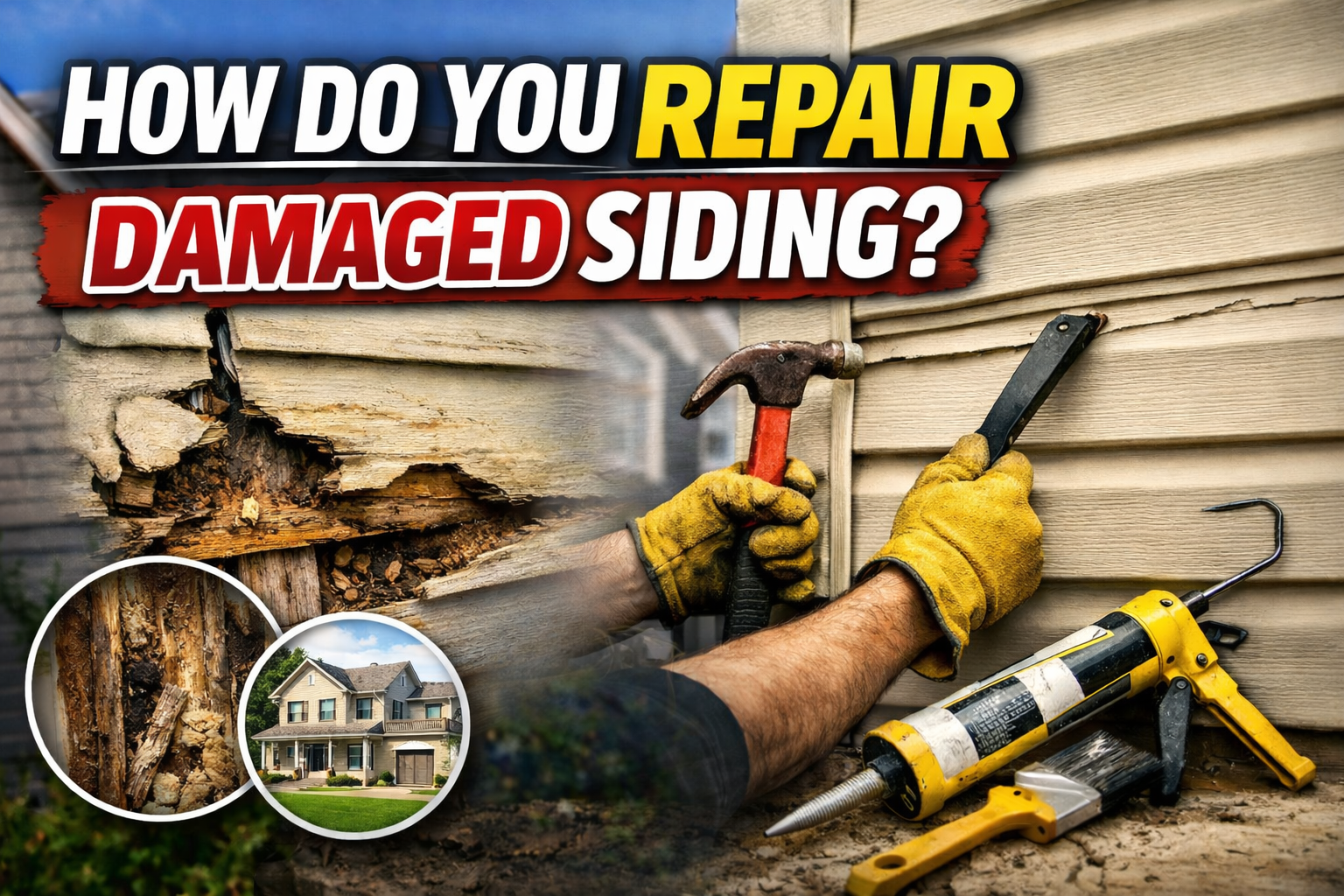
How do you repair damaged siding?
Damaged siding is one of those problems homeowners often notice but delay addressing. A small crack or loose panel may seem insignificant, yet siding plays a critical role in protecting your home from moisture intrusion, air leaks, and long-term structural deterioration. When siding fails, water can enter the wall system, leading to mold growth, wood rot, insulation damage, and costly interior repairs.
Understanding how siding damage occurs and how it should be repaired is essential to protecting your home. For homeowners in St. Charles, Illinois, where seasonal temperature swings, storms, and humidity place constant stress on exterior materials, siding repair is not a cosmetic task. It requires proper evaluation, correct materials, and professional installation methods. This is why many local homeowners rely on Sunrise Exteriors for expert guidance and dependable siding repairs that restore both protection and curb appeal.
This guide explains how damaged siding is properly repaired, what professionals look for during an inspection, and why attempting repairs without experience often leads to more extensive damage over time.
Why Repairing Damaged Siding Matters
Siding is more than an exterior finish. It functions as a protective barrier that shields your home from the elements. When that barrier is compromised, the damage often extends far beyond what is visible from the outside.
Protecting Your Home From Moisture and Structural Damage
Cracks, gaps, and loose siding panels allow rain, snow, and humidity to penetrate the wall assembly. In northern Illinois, repeated freeze-and-thaw cycles worsen moisture intrusion by forcing water deeper into the structure. Over time, this can result in rotted sheathing, deteriorated insulation, and mold growth. Prompt, professional siding repair helps seal the exterior envelope and prevents minor issues from developing into structural problems.
Preserving Curb Appeal and Property Value
Damaged siding immediately affects the appearance of a home. Cracked panels, warped boards, or mismatched repairs can reduce curb appeal and signal neglect to potential buyers. Professionally repaired siding blends seamlessly with the existing exterior, maintaining a uniform appearance and supporting long-term property value.
Preventing Escalating Repair Costs
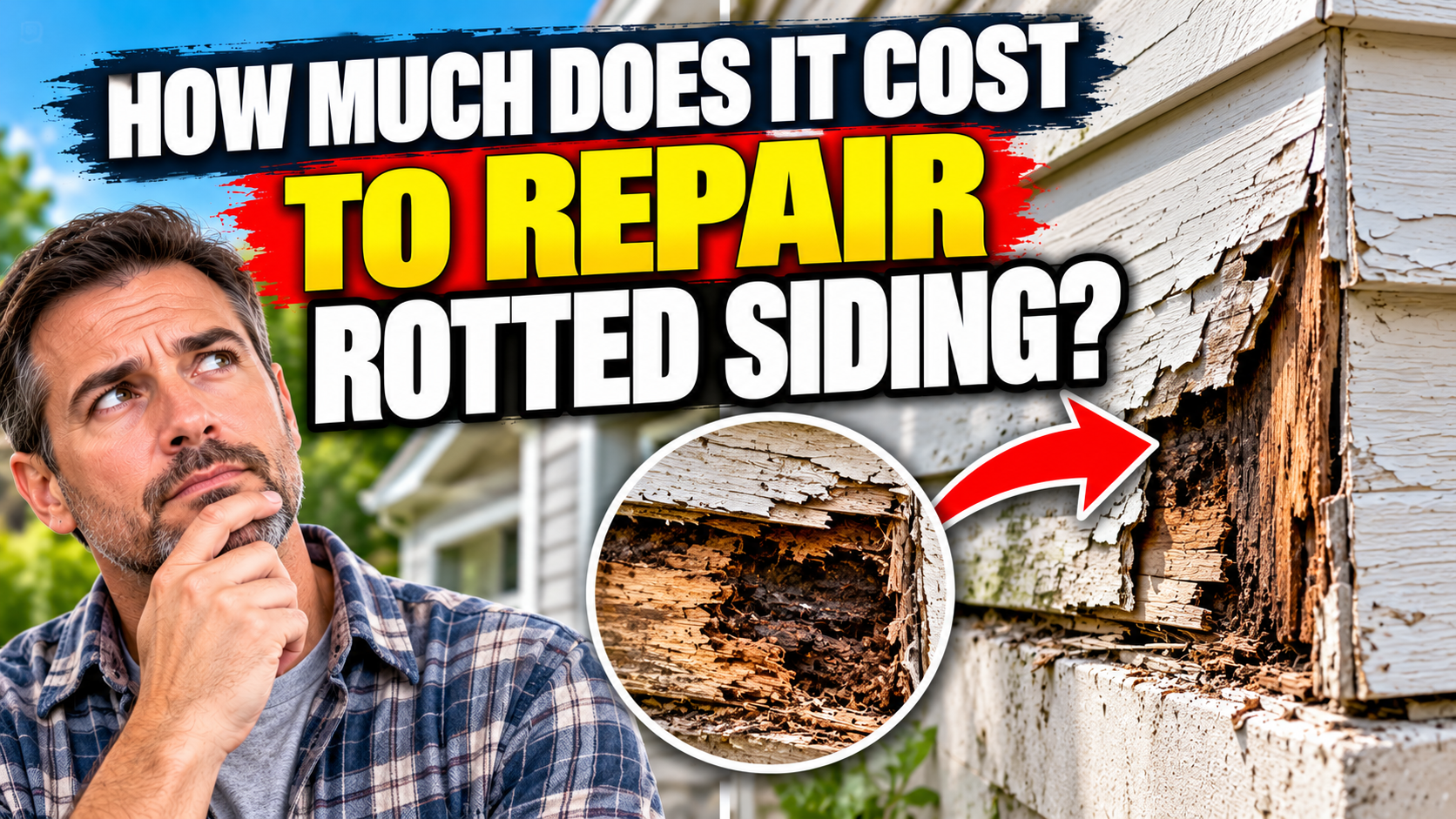
Siding damage rarely remains isolated. Once water enters the wall system, it can spread behind multiple sections of siding and affect framing or interior finishes. Addressing damage early through professional repair is almost always less expensive than waiting until partial or full replacement becomes necessary.
Assessing Siding Damage Requires Professional Evaluation
Before any repair begins, it is essential to understand the full extent of the damage. Surface-level issues often conceal deeper problems that are not immediately visible.
Common Warning Signs
Visible cracks, warping, loose panels, bubbling paint, discoloration, and soft spots can all indicate underlying moisture intrusion. In some cases, siding may appear intact while damage is developing beneath the surface.
Cosmetic Damage vs Structural Issues
Cosmetic damage affects only the outer layer of siding. Structural concerns involve compromised sheathing, mold growth, or weakened framing behind the siding. Distinguishing between the two is critical, as structural issues cannot be resolved with surface repairs alone.
Why Professional Inspection Is Essential
Trained exterior specialists know how to identify early warning signs that homeowners often miss. In St. Charles, Illinois, where weather conditions accelerate exterior wear, professional evaluation ensures repairs address the underlying cause rather than temporarily masking visible damage.
Tools and Materials Needed for Siding Repair
Having the right tools and materials is essential for a safe and effective siding repair. Using improper equipment or mismatched materials often leads to poor results and repeat repairs.
Essential Tools for Most Siding Repairs
Basic siding repairs typically require cutting tools for shaping replacement pieces, removal tools for loosening damaged panels and fastening tools to secure new siding properly. Measuring tools are also important to ensure accurate alignment and a clean fit.
Safety Equipment You Should Never Skip
Personal protective equipment is necessary when working with siding materials. Gloves protect hands from sharp edges while goggles and masks help guard against dust debris and potential contaminants. A stable ladder is essential when working above ground level and should always be positioned on solid footing.
The Importance of Matching Materials
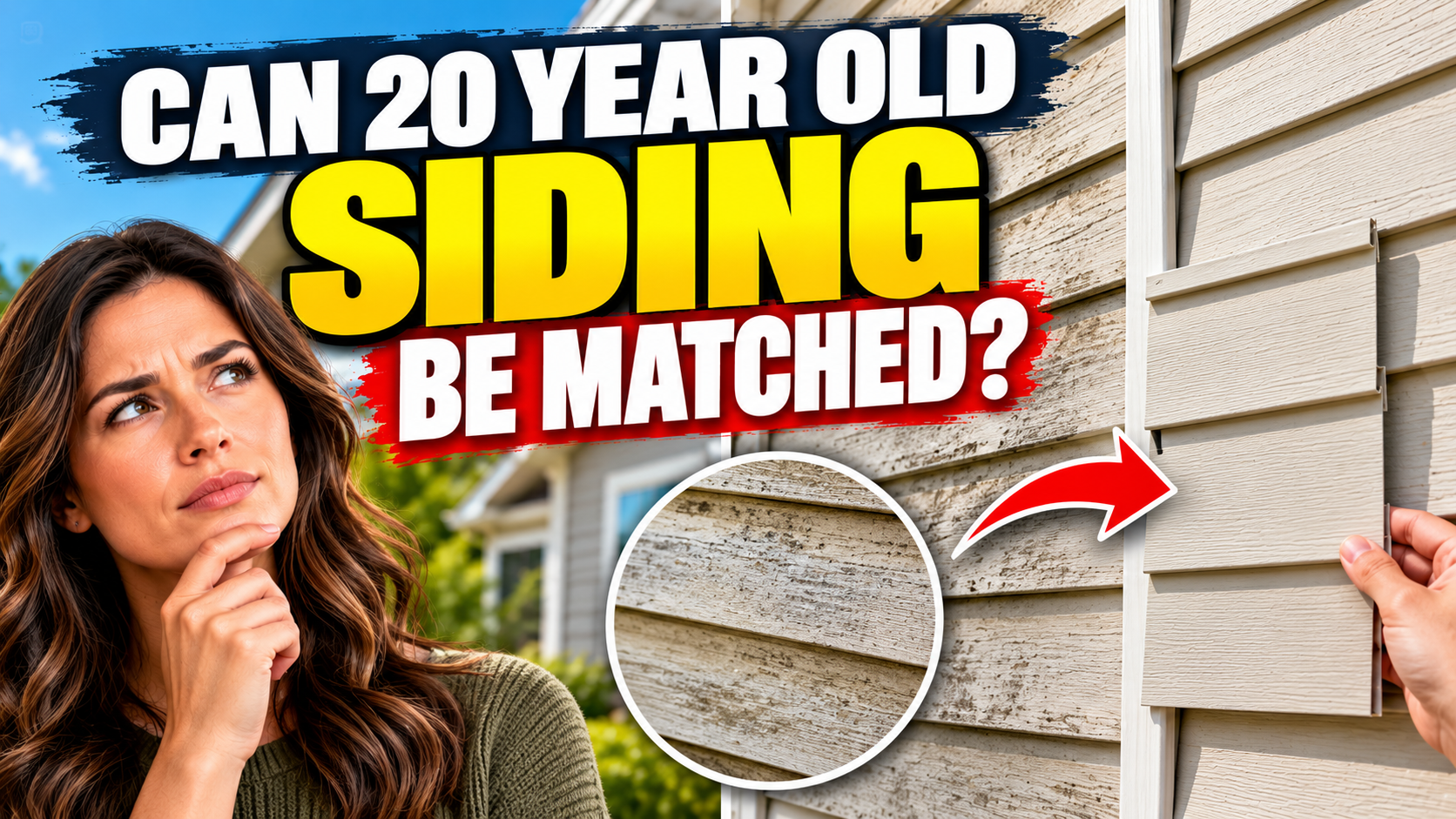
Using siding that matches the existing profile texture and color helps create seamless repairs. Mismatched materials can stand out visually and may not perform the same way as the original siding. Professional contractors source compatible materials and understand how to integrate them properly for durable long term results.
Safety Precautions Homeowners Should Know
Siding repair often involves sharp materials, elevated work areas and exposure to dust or debris. Taking proper safety precautions helps reduce the risk of injury and prevents accidental damage to your home during the repair process.
Working at Heights Safely
Many siding repairs require ladders or scaffolding. Always use a stable ladder placed on level ground and maintain three points of contact while climbing. Avoid leaning too far to the side and reposition the ladder instead of overreaching. Working with a second person nearby adds an extra layer of safety.
Choosing the Right Weather Conditions
Dry calm weather is ideal for siding repairs. Rain, high winds or extreme temperatures can make materials harder to work with and increase the risk of slips or falls. Moisture can also interfere with sealing and finishing steps which may reduce the lifespan of the repair.
Older Homes and Hidden Hazards
Homes built decades ago may contain lead based paint or asbestos siding. Disturbing these materials without proper testing and containment can pose serious health risks. Professional contractors are trained to recognize and manage these hazards safely which is why many homeowners choose Sunrise Exteriors for siding repairs that require specialized handling.
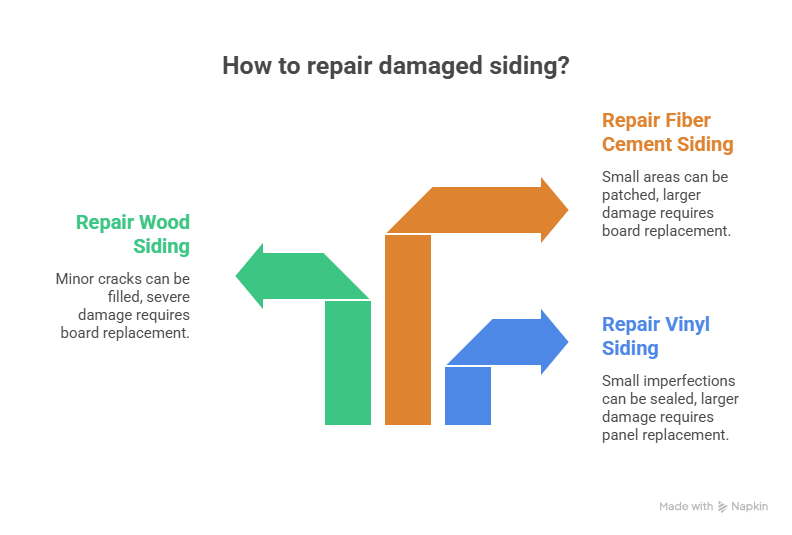
How Damaged Siding Is Professionally Repaired by Material Type
Vinyl Siding
Vinyl siding damage typically requires replacing affected panels rather than patching them. Proper installation allows for natural expansion and contraction, preventing future cracking or warping. Incorrect fastening is a common cause of repeat vinyl siding failure.
Wood Siding
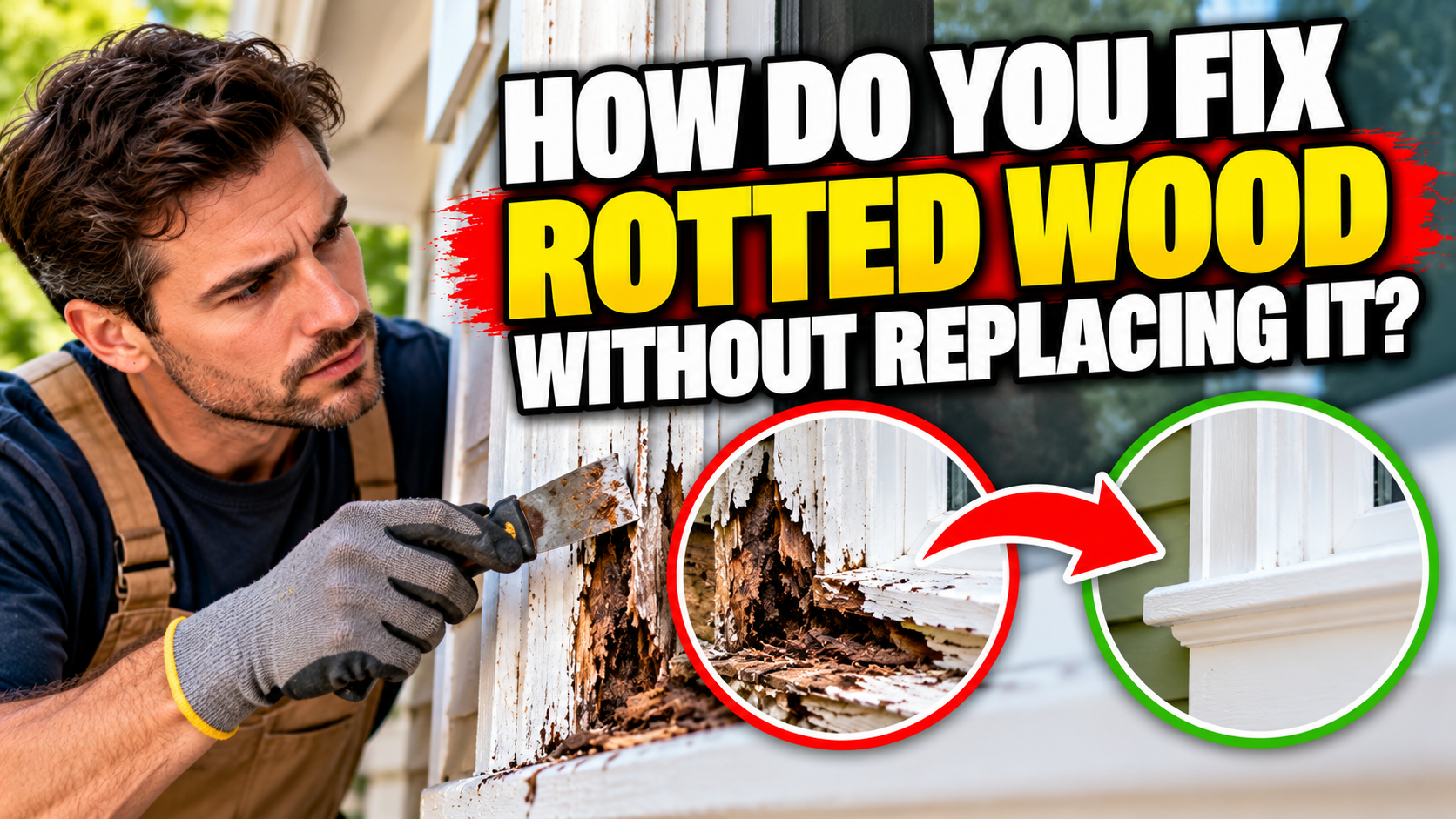
Wood siding repairs often involve removing damaged boards, addressing moisture sources, and installing properly treated replacement materials. Simply filling cracks or painting over damage does not stop rot and often allows deterioration to continue beneath the surface.
Fiber Cement Siding
Fiber cement siding is durable but requires precise handling. Repairs may involve board replacement, correct sealing, and repainting to maintain moisture resistance. Improper cutting or fastening can compromise performance and void manufacturer warranties.
Each siding type requires specific expertise, reinforcing why professional repair is the most reliable approach.
Finishing Details That Determine Long-Term Performance
A siding repair is only as effective as its finishing work.
- Sealing joints and edges to prevent moisture intrusion
- Applying exterior-grade finishes for weather protection
- Inspecting surrounding areas for related vulnerabilities
Skipping or rushing these steps often results in recurring damage near the original repair site.
Common Siding Repair Mistakes to Avoid
Even small errors during siding repair can shorten the lifespan of the fix or create new problems. Understanding common mistakes helps homeowners make better decisions and avoid unnecessary costs.
- Nailing siding too tightly, restricting movement
- Ignoring flashing and water-management details
- Using incorrect or low-quality materials
- Failing to prepare surfaces before sealing or finishing
These errors are common in self-performed repairs and frequently require professional correction.
Why DIY Siding Repair Is Strongly Discouraged
Although siding damage may appear straightforward, even small mistakes can trap moisture, compromise insulation, or shorten the lifespan of the repair. What initially seems like a cost-saving effort often leads to larger repairs once underlying damage becomes evident.
Professional siding repair protects your home’s structure, appearance, and long-term value by addressing both visible and hidden issues correctly.
Why Homeowners in St. Charles, Illinois Trust Sunrise Exteriors
Local experience matters. Homes in St. Charles face temperature extremes, heavy rainfall, and winter freeze cycles that place constant stress on exterior systems. Contractors familiar with these conditions can recommend repair methods designed to perform long-term, not temporary fixes.
Sunrise Exteriors provides skilled repairs across vinyl, wood, and fiber cement siding, with a focus on durability, safety, and visual consistency. Homeowners value repairs that are done correctly the first time and backed by professional accountability.
Final Thoughts: Repairing Damaged Siding the Right Way
Repairing damaged siding is not simply about fixing what you can see. Proper repair protects your home from moisture intrusion, improves energy efficiency, and preserves structural integrity. Each siding material requires the correct techniques, materials, and finishing steps. Cutting corners almost always results in higher costs later.
For homeowners in St. Charles, Illinois, professional siding repair ensures long-lasting protection and a well-maintained exterior year-round.
Get Expert Siding Repair in St. Charles, Illinois
If you suspect siding damage or want a professional evaluation, working with a trusted local contractor is the safest and most effective path forward. Sunrise Exteriors provides expert siding repair and exterior remodeling services designed to protect your home and restore curb appeal.
Contact Sunrise Exteriors today to schedule an inspection and receive clear, honest recommendations for repairing your siding the right way.
Recent Posts