What is the most durable roofing type?
What is The Most Durable Roofing Type?
1. Introduction: The Question Every Homeowner Eventually Asks
Roofs are easy to ignore when everything is working. No leaks. No missing shingles. No water stains creeping across the ceiling. But the moment a storm rolls through or a repair bill lands on the kitchen table the same question suddenly becomes very real. What roofing material will actually last the longest.
Homeowners do not just want a roof that looks good the day it is installed. They want something that can handle years of Midwest weather without constant repairs or early replacement. In Illinois that means surviving heavy rain, strong winds, freezing winters, ice buildup, and long humid summers. Durability is not just about surviving one bad storm. It is about decades of reliable protection.
The truth is that not all roofing materials are built the same. Some are designed primarily for affordability. Others are built for appearance. A few are engineered with longevity in mind. When durability is the goal certain materials consistently rise to the top.
Among all common residential roofing options natural slate stands out as the longest lasting roofing material available. When properly installed and maintained slate roofs can last anywhere from seventy five years to more than two hundred years. Few other materials come close to that kind of lifespan.
But longevity on paper is only part of the story. The most durable material is not always the most practical solution for every home. Weight, structural requirements, installation complexity, and cost all influence what makes sense for a particular property.
That is why many Illinois homeowners work with experienced exterior specialists like Sunrise Solar Exteriors when evaluating roofing options. A knowledgeable contractor can help homeowners balance durability, performance, and long term value while choosing a roof that can handle Midwest weather for decades.
Before comparing materials it helps to understand what actually makes a roof durable in the first place.
2. What Makes a Roof Truly Durable
When people ask what roofing material lasts the longest they often focus only on lifespan numbers. While lifespan is important true durability involves more than just how many years a roof can last under ideal conditions.
A durable roof is one that can withstand the real world stresses a home experiences year after year. Several key factors determine whether a roofing system will hold up over time.
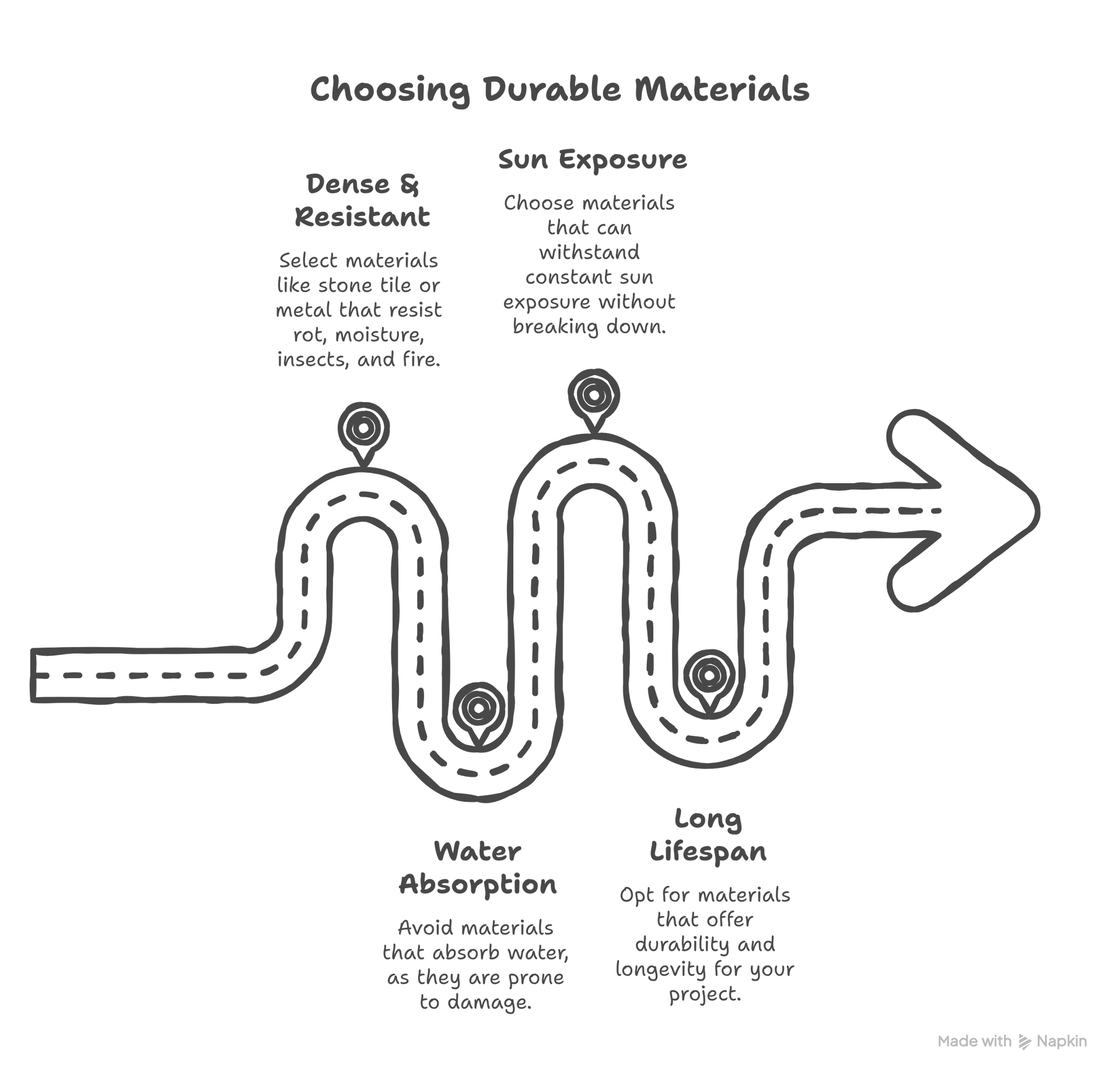
The first factor is the material itself. Dense and naturally resistant materials such as stone tile or metal tend to perform better over long periods because they resist rot moisture damage insects and fire. Materials that absorb water or break down under constant sun exposure typically have shorter lifespans.
Weather resistance also plays a major role. In Illinois roofs face strong seasonal changes that test every component of a roofing system. Freeze and thaw cycles can expand and contract materials. Heavy rain can expose weaknesses in flashing or underlayment. High winds can lift poorly secured shingles. Durable roofing materials are designed to handle these stresses without cracking warping or loosening over time.
Structural compatibility is another important piece of the puzzle. Some of the longest lasting roofing materials are also extremely heavy. Slate and tile roofs can weigh several times more than asphalt shingles. If a home was not built to support that weight structural reinforcement may be required before installation. Without proper support even the strongest roofing material can fail prematurely.
Maintenance requirements also influence long term durability. Some roofing systems require regular sealing cleaning or inspection to maintain performance. Others are designed to perform with minimal upkeep. Lower maintenance materials often maintain their structural integrity longer because there are fewer opportunities for unnoticed damage to develop.
Finally installation quality may be the single most important factor in roof durability. Even the most durable roofing material can fail if it is installed incorrectly. Proper ventilation secure fastening quality underlayment and precise flashing work all determine whether a roof will reach its full lifespan.
This is why experienced exterior professionals such as Sunrise Solar Exteriors focus not only on the roofing material itself but also on the entire roofing system. When every component is installed correctly and matched to the home the result is a roof designed to deliver reliable protection for decades.
3. The Most Durable Roofing Material Overall: Natural Slate
When roofing professionals talk about pure longevity one material almost always sits at the top of the list. Natural slate.
Slate is not a manufactured roofing product. It is a natural stone that has been used on buildings for centuries. Because it is formed under extreme geological pressure it becomes incredibly dense and durable. That density gives slate a unique advantage over most modern roofing materials.
A properly installed slate roof can last anywhere from seventy five years to more than two hundred years. In some historic areas slate roofs installed in the late nineteenth or early twentieth century are still protecting homes today.
Few residential building materials offer that kind of lifespan.
Several characteristics explain why slate performs so well over time.
First, slate is naturally resistant to many of the problems that shorten the life of other roofing materials. It does not rot. It does not attract insects. It resists mold and mildew. It is also completely fire resistant because it is made from stone.
Second, slate has a dense and non porous structure. This allows it to handle harsh weather conditions without absorbing moisture or breaking down. When installed correctly slate can withstand heavy rain strong wind and long term exposure to sunlight with very little deterioration.
Third, slate roofs are extremely stable over time. While some roofing materials expand and contract significantly with temperature swings slate maintains its shape and strength across a wide range of conditions.
However durability does come with trade offs.
Slate is one of the heaviest roofing materials available. Because of this many homes require structural reinforcement before a slate roof can be installed. The installation itself also requires specialized skill since each slate tile must be individually positioned and secured.
Cost is another factor. Slate typically has one of the highest upfront prices per square foot of any roofing material.
While the cost per year of use can be favorable because the roof rarely needs replacement, the initial investment can be significant.
For these reasons slate remains the longest lasting roofing material overall, but it is not always the most practical option for every homeowner.
4. Other Highly Durable Roofing Options
While natural slate leads the pack in terms of lifespan several other roofing materials offer impressive durability and long service lives. These options often provide a more practical balance between longevity, weight, and installation cost.
Clay tile roofing is one of the oldest roofing systems still used today. Clay tiles are formed from natural clay that is fired at high temperatures, creating a hard and weather resistant surface. When properly installed clay tile roofs can last fifty to one hundred years or more.
Clay tiles are naturally fire resistant and resistant to rot and insects. They also perform well in environments that experience strong sun exposure and moisture. However clay tiles are heavy and can be brittle if struck by large hail or walked on improperly during maintenance.
Concrete tile roofing provides a similar level of durability. Concrete tiles are molded from a mixture of sand, cement, and water, then cured to form strong roofing units. Their typical lifespan also ranges from about fifty to one hundred years.
Concrete tiles tend to be somewhat more affordable than clay while still offering strong weather resistance and long term durability. Like clay tile, they are heavy and may require structural reinforcement depending on the home.
Metal roofing systems have become increasingly popular for homeowners looking for long term durability with fewer structural challenges. High quality metal roofs, particularly standing seam systems made from steel, aluminum, or copper, typically last forty to seventy years or more.
Metal roofing offers several advantages that make it appealing for modern homes. It resists wind and moisture well, sheds snow efficiently, and generally requires low maintenance. Because metal panels are lighter than slate or tile they can often be installed without structural changes.
For many homeowners metal roofing represents one of the best overall balances between lifespan, performance, and cost. While it may not last as long as slate in absolute terms, it delivers decades of reliable protection with fewer installation constraints.
5. Comparing Roofing Lifespans Across Common Materials
Once you step back and compare roofing materials side by side a clear durability spectrum begins to appear.
Some materials are built primarily for affordability and quick installation. Others are designed to provide long term structural protection for decades.
Natural slate sits at the very top of the durability scale. With lifespans that often range from seventy five years to more than two hundred years it remains the longest lasting roofing material used on residential homes.
Clay tile and concrete tile occupy the next tier. Both materials can commonly last fifty to one hundred years when installed properly. Their resistance to fire moisture and insects makes them extremely durable, though their heavy weight means they are not suitable for every structure.
Metal roofing systems have become one of the most popular long term options in modern construction. High quality metal roofs made from steel aluminum or copper often last forty to seventy years or more. For many homeowners this provides an ideal balance between longevity, structural compatibility, and installation cost.
Composite or synthetic shingles are designed to mimic the appearance of materials such as slate or wood while offering moderate durability. These systems typically last thirty to fifty years depending on the manufacturer and installation quality.
Wood shakes and wood shingles provide a distinctive natural appearance but require consistent maintenance.
Their lifespan usually falls between twenty and forty years and they can be vulnerable to moisture damage insects and rot over time.
Architectural asphalt shingles are among the most common roofing materials used in residential construction today. These upgraded asphalt systems typically last around twenty five to thirty years and offer a solid balance between affordability and durability.
Standard three tab asphalt shingles sit at the shorter end of the durability scale. Their typical lifespan ranges from fifteen to twenty years which makes them one of the least durable but most affordable roofing options available.
When homeowners evaluate roofing materials durability often becomes a balancing act between lifespan installation requirements and long term value.
6. The Role Climate Plays in Roof Durability
A roofing material that performs well in one region may not deliver the same results in another. Climate plays a major role in determining how long a roof actually lasts.
In Illinois roofs must withstand a wide range of weather conditions throughout the year. Winters often bring freezing temperatures snow accumulation and ice buildup. Spring storms can introduce heavy rain and strong wind. Summers deliver heat humidity and intense sunlight. Each of these factors puts stress on roofing materials over time.
Freeze and thaw cycles are especially important in Midwest climates. Water can seep into small openings in roofing materials. When temperatures drop that moisture freezes and expands which can slowly weaken certain materials.
High winds also challenge roofing systems by lifting or loosening shingles that are not securely installed. Over time repeated wind exposure can shorten the lifespan of lower quality roofing materials.
Snow and ice create another challenge. Roofs must be able to shed snow efficiently while maintaining strong waterproof protection underneath the outer layer. Materials that handle moisture well and resist cracking tend to perform better under these conditions.
Because of these factors some materials are more practical for Illinois homes than others. Metal roofing for example performs well in climates with snow and temperature swings because it sheds snow easily and resists moisture damage. High quality architectural shingles also perform reliably when installed correctly and maintained over time.
Choosing the right material for the climate can dramatically extend the lifespan of a roof.
7. The Most Practical Long Lasting Roofing Choice for Many Illinois Homes
While natural slate may technically win the durability contest many homeowners are looking for a roofing system that delivers long term protection without the structural challenges and upfront cost that slate can require.
For this reason metal roofing has become one of the most practical durable options for modern homes.
Metal roofing systems are designed to withstand strong wind heavy rain and significant temperature changes.
Their smooth surface allows snow and ice to slide off more easily which can reduce the risk of buildup during Illinois winters. Many metal systems also reflect sunlight which can help reduce heat absorption during the summer months.
Another advantage is longevity. A properly installed metal roof can last forty to seventy years or longer. That lifespan is significantly longer than standard asphalt shingles and often comes with lower maintenance requirements.
Architectural asphalt shingles remain another practical option for homeowners seeking durability at a more accessible price point. While they do not last as long as metal or slate they provide reliable performance and improved wind resistance compared with basic asphalt shingles.
When homeowners evaluate roofing materials many discover that the best solution is not simply the longest lasting material but the one that delivers the best combination of durability performance and value for their home.
8. Why Installation Quality Matters as Much as the Material
Even the most durable roofing material can fail if it is installed improperly. A roof is not just a layer of shingles or panels. It is a complete system made up of multiple components that work together to protect the home.
Proper ventilation is critical for long term roof performance. Without adequate airflow heat and moisture can build up in the attic which accelerates material deterioration and can lead to structural damage.
Underlayment and flashing also play an essential role. These components create the waterproof barrier that protects vulnerable areas of the roof such as valleys edges and areas around chimneys or vents.
Fastening methods and installation techniques also influence durability. Roofing materials must be secured correctly to withstand strong winds and temperature expansion without loosening over time.
Because of this professional installation is one of the most important factors in determining how long a roof will actually last.
Experienced exterior professionals such as Sunrise Solar Exteriors focus on installing complete roofing systems designed for long term performance in Illinois weather conditions.
9. How to Choose the Right Durable Roof for Your Home
Selecting a roofing material involves more than simply choosing the longest lifespan listed on a chart. The right choice depends on several practical considerations.
Homeowners often begin by evaluating budget and long term value. Some materials cost more upfront but provide decades of additional lifespan which can reduce replacement costs over time.
The structure of the home also matters. Heavier materials such as slate or tile may require structural reinforcement before installation. Lighter materials such as metal or asphalt shingles can often be installed without additional structural work.
Climate and weather exposure should also guide the decision. Homes in areas with frequent snow strong wind or heavy rain benefit from roofing materials designed to handle those conditions.
Finally appearance and maintenance expectations influence the final choice. Some homeowners prefer the traditional look of tile or slate while others prefer the modern appearance of standing seam metal roofing.
Working with experienced professionals helps homeowners evaluate all of these factors together to determine the best long term solution.
10. Conclusion: Durability Comes Down to the Right Material and the Right Team
When it comes to pure longevity natural slate remains the most durable roofing material available. With lifespans that can extend well beyond a century it stands alone at the top of the durability scale.
However the most durable roof for a home is not always the one with the longest theoretical lifespan. Structural requirements installation cost climate performance and maintenance all play important roles in determining which material makes the most sense.
For many Illinois homeowners metal roofing and high quality architectural shingles offer an excellent balance of durability practicality and long term value. When installed correctly these systems can provide decades of reliable protection against Midwest weather.
The key is choosing the right material and ensuring it is installed by experienced professionals who understand how roofing systems perform in local conditions.
If you are considering a roof replacement and want a solution designed for long term durability Sunrise Solar Exteriors can help. Their team works with homeowners across Illinois to evaluate roofing options and install systems built to handle the region’s weather for years to come.
Contact Sunrise Solar Exteriors today to schedule a consultation and discover which durable roofing solution is the right fit for your home.
Recent Posts