What's the Best Siding Repair Method
What's The Best Siding Repair Method
The Best Siding Repair Is Not Always the Most Obvious One
A crack, loose panel, or damaged board might look like a simple fix. But siding damage can sometimes be a warning sign of a bigger problem hiding underneath.
The best siding repair method depends on the material, the extent of the damage, and what caused it. A good repair does more than improve appearance. It addresses the source of the problem and makes sure the wall is properly protected from moisture.
For Illinois homeowners, this is especially important. Wind, storms, moisture, freezing temperatures, and changing seasons can all take a toll on siding. Sunrise Exteriors can help homeowners determine whether the problem calls for a small repair, targeted replacement, or a more extensive exterior improvement.
What Is the Best Siding Repair Method?
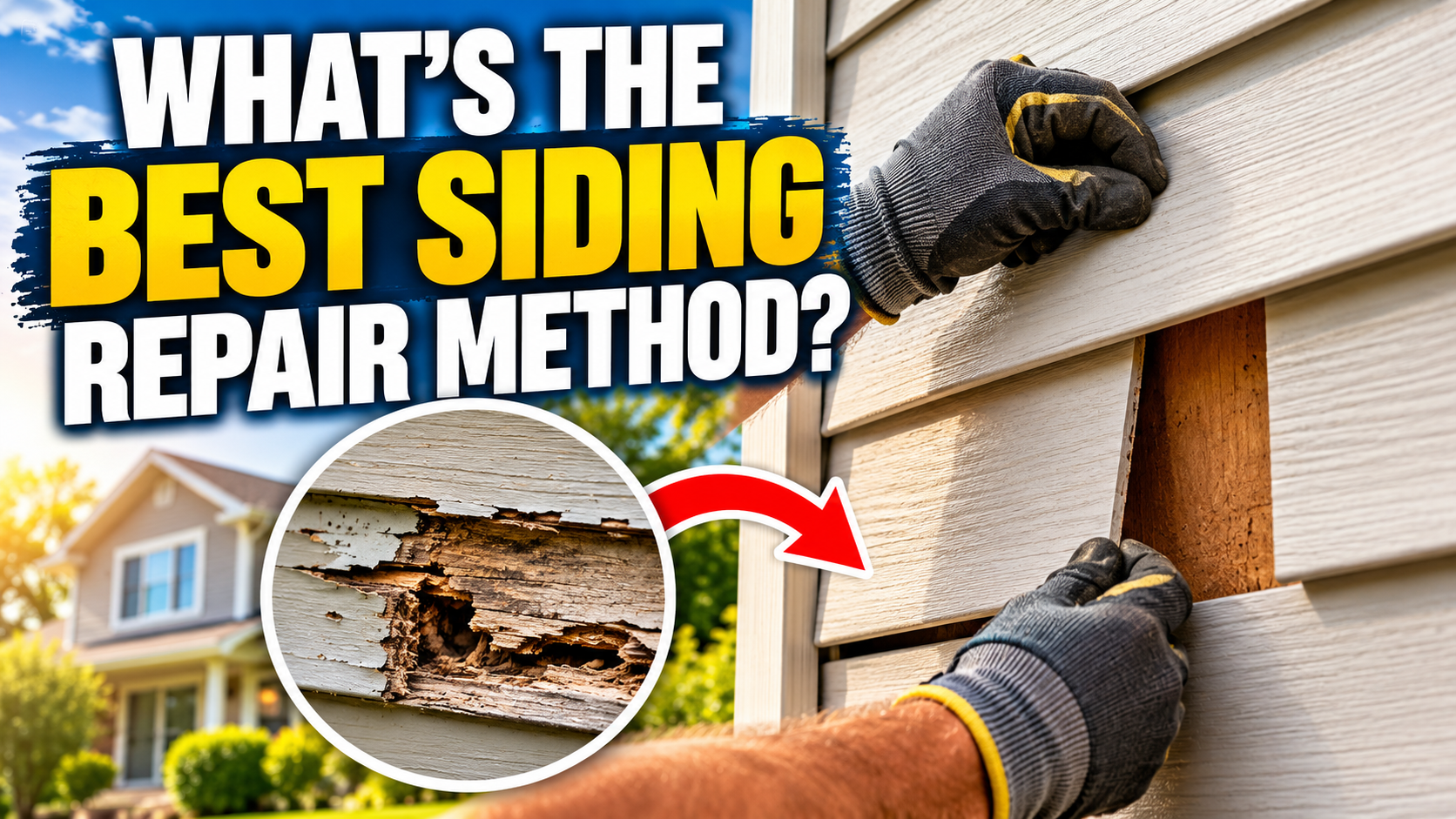
For most localized siding damage, the best method is to fix the cause first and then replace the damaged board, panel, or section.
If the damage is only cosmetic, such as a small chip or shallow crack, a compatible patch may be enough. Broken vinyl, rotted wood, severely cracked fiber cement, and damaged panels will usually need to be replaced.
The important part is what happens behind the siding. If moisture has damaged the housewrap, flashing, sheathing, or framing, those materials should be repaired before new siding goes on.
In simple terms, the best siding repair does not just hide the damage. It solves the problem that caused it and restores the wall so it can continue protecting the home.
Diagnose the Damage Before Choosing a Repair
Before repairing siding, you need to understand what caused the damage. Simply covering a crack or replacing a board may not solve the real problem.
Start by identifying the siding material and checking how widespread the damage is. Look for cracks, loose panels, warping, rot, stains, holes, and other visible problems.
Next, consider the cause. Wind, hail, moisture, pests, loose fasteners, poor installation, and age can all damage siding.
The area behind the siding matters too. Housewrap, flashing, sheathing, and framing should be checked when moisture or significant damage is suspected. If these materials are wet or deteriorated, they should be repaired before the siding is restored.
Finding the cause first helps prevent the same problem from returning.
Siding Repair Methods by Damage Level
The right siding repair depends heavily on how serious the damage is.
Light dirt or staining may only require careful cleaning. Small chips, holes, or shallow cracks can sometimes be repaired with a compatible patch or finishing product.
When one board or panel is broken, warped, rotted, or missing, replacing that individual piece is usually the better approach. The wall underneath should also be inspected before the new siding is installed.
Water damage around windows, doors, and other openings requires more attention. The siding may need to be removed so damaged flashing, housewrap, or sheathing can be repaired.
If numerous panels are deteriorating or the siding has become brittle and unreliable, a larger replacement may make more sense than continuing with individual repairs.
The goal is not to replace more siding than necessary. It is to make a repair that protects the home and lasts.
Add Material Specific Repair GuidanceClarify When Professional Help Is Needed
What Is the Best Repair Method for Vinyl Siding?
For cracked, badly warped, punctured, or loose vinyl siding, replacing the damaged panel is usually the best solution.
Vinyl naturally expands and contracts as temperatures change. Filling serious cracks with caulk or rigid material can interfere with this movement and may create an unattractive repair.
The damaged panel should be removed carefully so the housewrap and sheathing underneath can be inspected. The replacement panel should then be installed with enough room for natural movement.
What Is the Best Repair Method for Wood Siding?
Small cracks and shallow surface damage in wood siding can often be repaired with an appropriate exterior filler or epoxy. The area should be dry before it is repaired, primed, and painted.
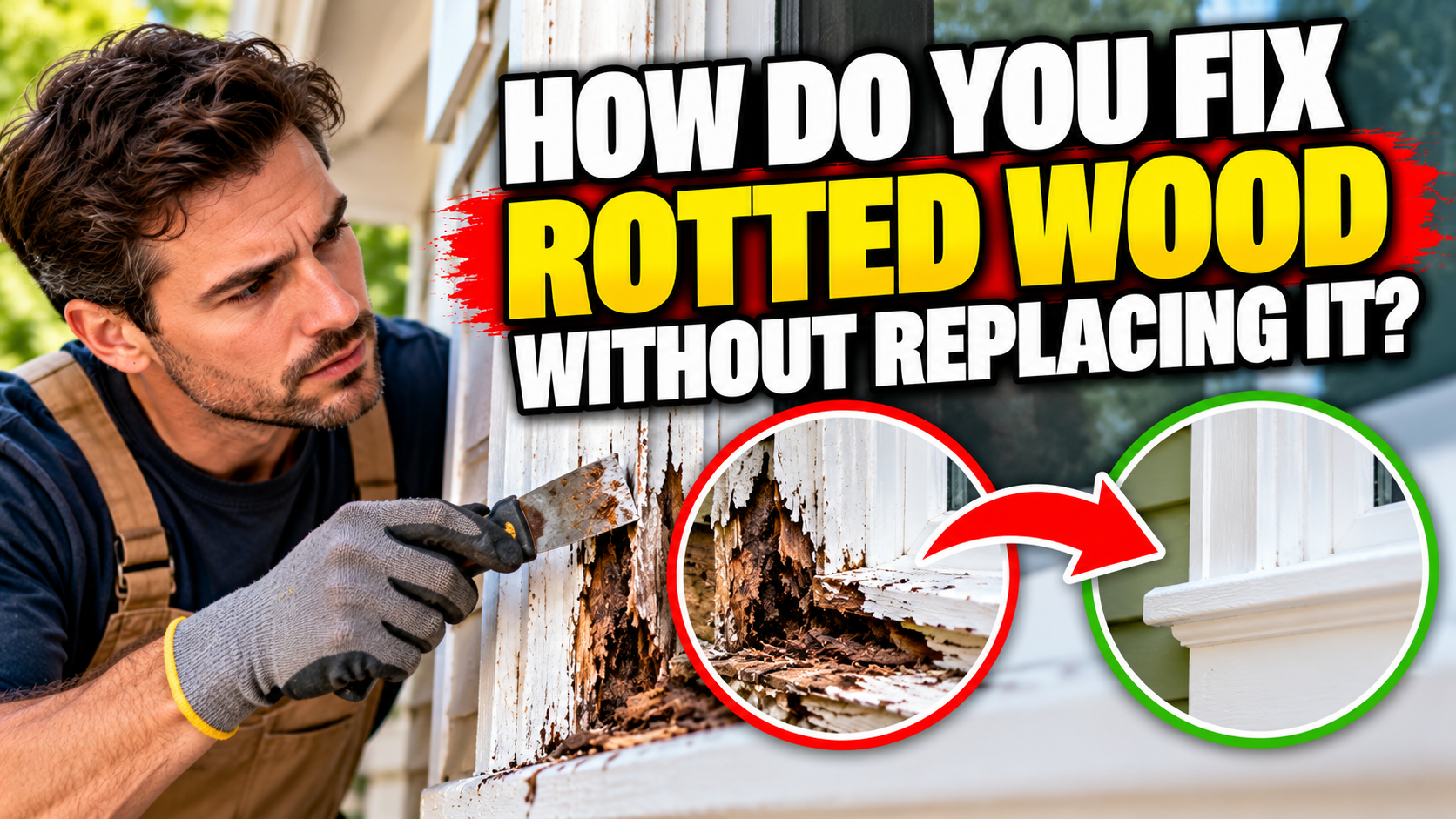
Rot is different. A badly rotted or split board should usually be removed and replaced.
It is also important to find out why the wood deteriorated. Failed flashing, overflowing gutters, poor drainage, or moisture around windows can cause the same damage to return.
What Is the Best Repair Method for Fiber Cement Siding?
Small chips and shallow defects in fiber cement can often be repaired using a compatible cementitious patching product.
A board that is deeply cracked, broken, or repeatedly exposed to moisture will usually need replacement.
Proper installation is particularly important with fiber cement. Fasteners, clearances, joints, cut edges, and flashing should follow the siding manufacturer requirements.
Cutting fiber cement can also produce silica dust, making professional replacement a sensible choice for many homeowners.
How Do You Repair Engineered Wood Siding?
Minor surface damage in engineered wood may sometimes be filled and refinished according to the manufacturer instructions.
Swelling, delamination, softness, and rot usually indicate that the affected board should be replaced.
If several boards are showing similar problems, moisture may be the real issue. Gutters, flashing, roof runoff, windows, and ground clearance should all be inspected before assuming the siding itself is responsible.
How Should Aluminum and Steel Siding Be Repaired?
Small dents in metal siding may only be cosmetic and might not require repair.
Severely dented, punctured, corroded, or loose sections are more likely to require replacement. Compatible materials and fasteners should be used to avoid corrosion and other problems.
Random applications of caulk or adhesive should not replace proper fastening, drainage, or installation.
What About Stucco and Brick?
Small and stable stucco cracks may sometimes be repaired with a compatible patching material. Larger or recurring cracks should be investigated before they are covered.
Movement, damaged lath, and moisture behind the stucco can all contribute to recurring problems.
Brick veneer requires a different approach. Cracked mortar, damaged brick, water staining, flashing problems, and blocked drainage areas may require masonry repairs rather than conventional siding work.
When Is Patching Siding the Best Option?
Patching works best when damage is small, superficial, and limited to otherwise healthy siding.
The wall behind the siding should be dry and structurally sound. The repair product should also be compatible with the siding material.
A small fiber cement chip or shallow defect in painted wood may be a reasonable candidate for patching.
Rot, severe cracking, missing sections, and repeated moisture problems should not simply be covered.
When Should Damaged Siding Be Replaced?
Replacement becomes the better option when siding has lost its ability to protect the home.
Rot, warped vinyl, large cracks, missing panels, repeated water staining, soft sheathing, and widespread deterioration are strong reasons to consider replacement.
That does not automatically mean replacing all of the siding. One damaged board, several panels, or one affected section may be replaceable while the rest of the exterior remains intact.
The Hidden Part of Siding Repair
Siding is only one part of the exterior wall.
Housewrap and flashing help manage water that gets behind the siding. When these materials are damaged, simply installing a fresh panel over them can leave the real problem untouched.
A lasting repair should restore the drainage system behind the siding whenever necessary. This is especially important around windows, doors, roof connections, and other areas where water commonly enters.
Repair or Replace?
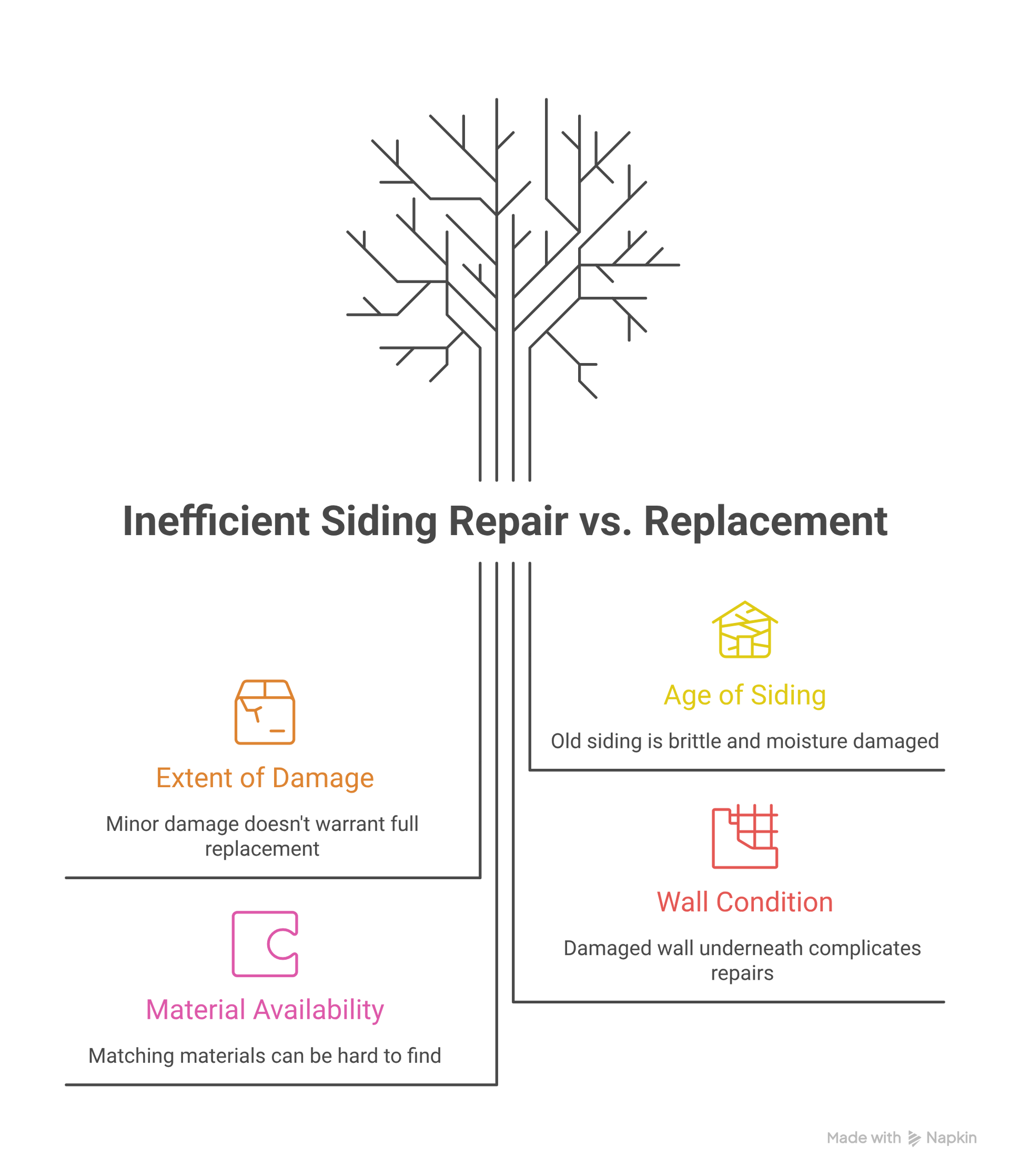
The decision usually comes down to the age of the siding, extent of damage, condition of the wall underneath, and availability of matching materials.
One damaged panel rarely justifies replacing an entire exterior. On the other hand, repeatedly repairing old, brittle, or moisture damaged siding can eventually become inefficient.
Illinois homeowners who are unsure can have the exterior evaluated by Sunrise Exteriors. A professional inspection can help determine whether targeted repairs are still practical or whether replacement offers better long term value.
When Siding Damage Requires Professional Attention
Some siding problems should not be treated as simple cosmetic repairs.
Soft walls, interior water stains, rot around windows, persistent moisture, mold, bowing, missing flashing, insect damage, and recurring leaks can indicate problems beneath the surface.
Older homes may also require additional precautions. Painted surfaces in homes built before 1978 can involve lead safety requirements, while some older siding products may contain asbestos.
What Should a Professional Siding Repair Include?
A professional repair should begin with finding the cause of the damage.
The contractor should inspect the siding and, when necessary, the sheathing, housewrap, flashing, trim, and other surrounding materials.
The repair should use compatible siding, appropriate fasteners, proper flashing, and manufacturer approved installation practices.
Homeowners should understand exactly what is being repaired and why before work begins.
How to Choose a Siding Repair Contractor in Illinois
Look for a contractor with experience working with the specific siding material on your home.
Ask about insurance, installation practices, warranties, flashing, moisture management, and how hidden damage will be handled if it is discovered.
A detailed scope of work is also valuable because siding repairs can involve more than replacing what is visible.
Sunrise Exteriors can help Illinois homeowners assess exterior damage and determine an appropriate repair or replacement approach based on the condition of the home.
Common Siding Repair Mistakes to Avoid
One of the biggest mistakes is repairing the appearance without addressing the cause.
Caulking over rot, filling badly damaged vinyl, ignoring torn housewrap, and installing new siding over moisture damage can allow the original problem to continue.
Another mistake is assuming that every siding problem requires complete replacement.
The best solution should match the actual extent of the damage.
What’s the Best Siding Repair Method?
The best siding repair method is the one that solves the entire problem rather than simply hiding visible damage.
Small chips and surface defects may only need patching. A cracked, warped, rotted, or broken board will usually be better served by targeted replacement. When moisture is involved, housewrap, flashing, sheathing, and other damaged materials should also be addressed.
For Illinois homeowners, the key is knowing where a simple repair ends and a larger exterior problem begins. Sunrise Exteriors can evaluate siding damage, identify potential underlying issues, and help homeowners determine whether repair or replacement makes the most sense for their home.
A good siding repair should do more than look better. It should help protect the home for years to come.
Add an opening to complete the articleCondense repeated repair guidance
Recent Posts