Fix the Moisture Problem Before Fixing the Wood
Wood rot starts with moisture. If the water source remains, even a carefully repaired area can begin deteriorating again.
Common causes include leaking gutters, failed flashing, roof leaks, window leaks, poor drainage, plumbing problems, and water collecting against siding or trim.
The moisture source should be identified and corrected before repairing the damaged wood.
Sunrise Exterior can help Illinois homeowners look beyond the visible rot and evaluate exterior conditions that may be allowing water into the home.
How Do You Know How Far the Rot Has Spread?
Rot often extends beyond the visible damage.
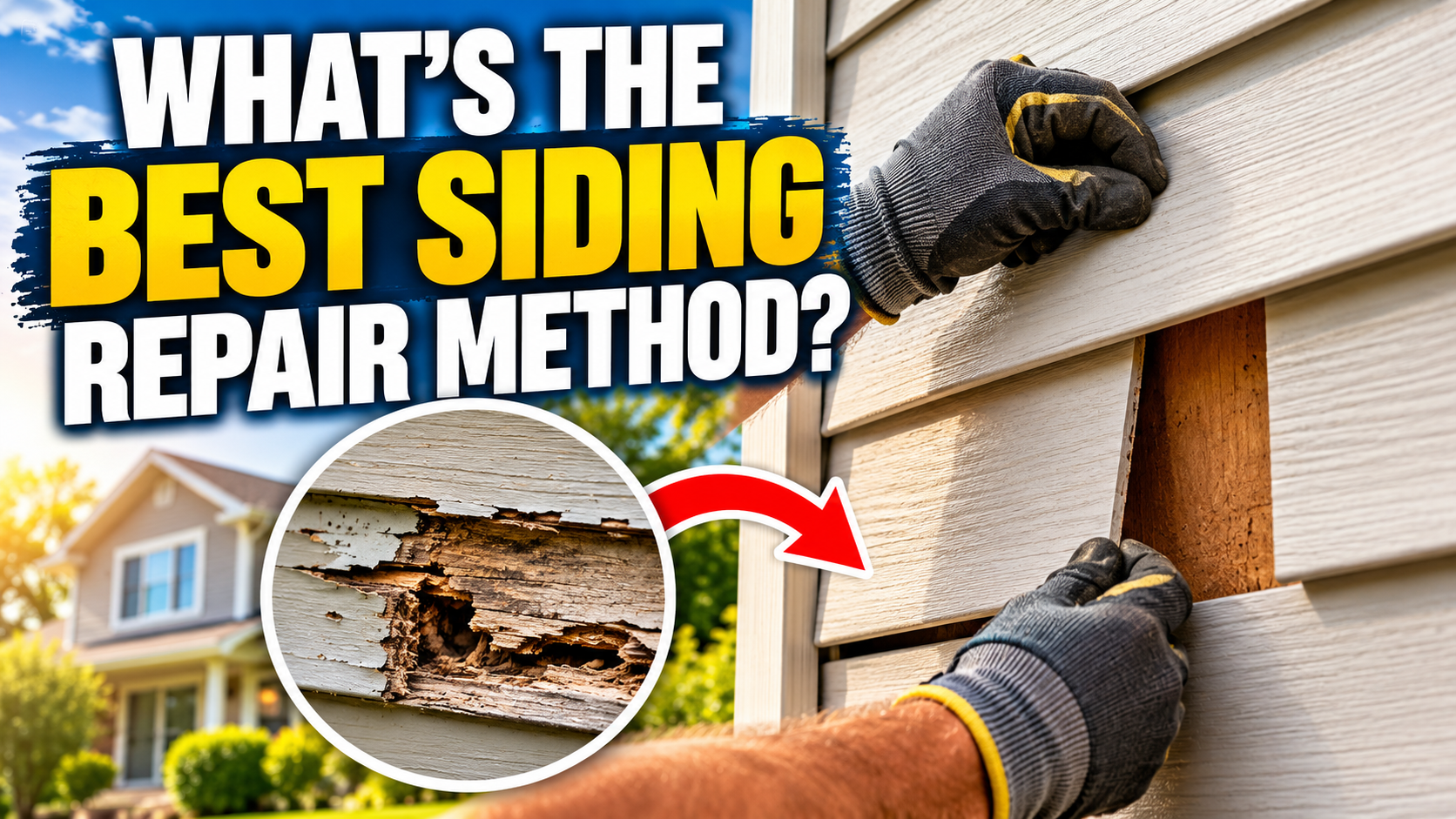
Soft wood, peeling paint, dark stains, cracks, and crumbling fibers can indicate a larger problem. If sheathing or framing is also soft, professional evaluation may be needed.
Remove the Decayed Wood
All loose and soft material should be removed until firm wood remains.
Covering rotten wood with filler can trap the problem instead of creating a durable repair.
Let the Wood Dry
The remaining wood should be thoroughly dry before applying repair materials.
The leak or moisture source should also be corrected first. Repairing wet wood can lead to continued deterioration.
Apply an Epoxy Consolidant
A liquid epoxy consolidant can penetrate and stabilize weakened wood fibers.
It works best when enough solid wood remains to provide a strong base for the repair.
Rebuild the Missing Area With Epoxy
A compatible epoxy filler can be used to rebuild small missing sections.
Once cured, the material can be shaped and sanded to recreate the original surface or trim profile.
Sand, Prime, and Paint
After curing, sand the repair until it blends with the surrounding wood.
Primer and exterior paint help protect the repaired area from sunlight and moisture.
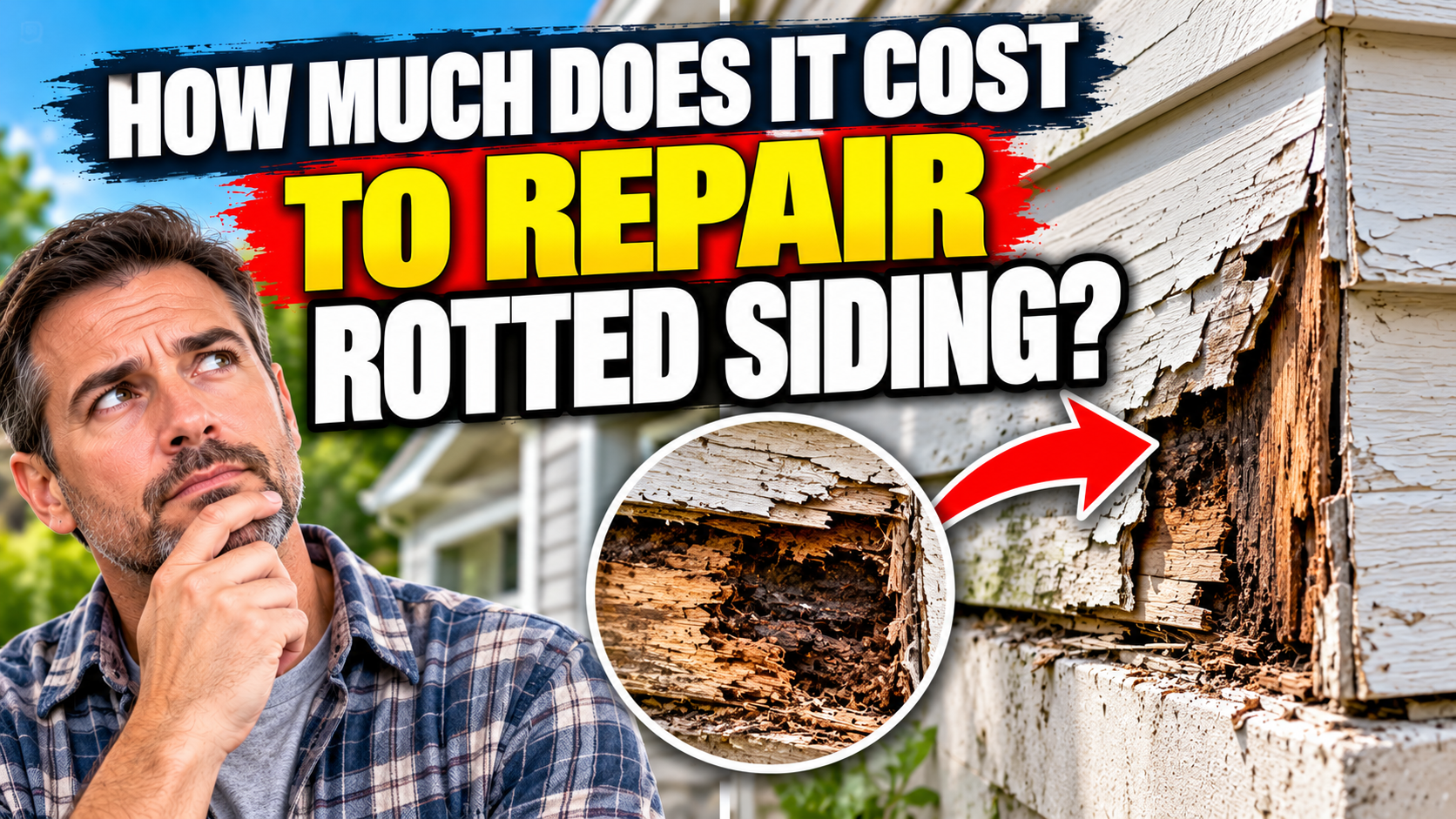
Can Rotted Wood Siding Be Repaired?
Small areas of localized siding rot may sometimes be repaired.
If an entire board is soft, badly cracked, or damaged behind the surface, replacing the affected siding is usually more practical.
Can Rotted Window Trim Be Repaired?
Localized window trim damage can often be a good candidate for epoxy repair.
However, the window flashing and surrounding wall should be checked because the visible rot may have been caused by water entering behind the trim.
Can Structural Wood Be Repaired With Epoxy?
Significant structural rot should not be treated as a simple cosmetic repair.
Posts, beams, framing, stairs, and other important structural components may require replacement, reinforcement, or another professionally evaluated repair.
Common Rotted Wood Repair Mistakes
Avoid filling over soft wood, repairing wet material, ignoring leaks, or painting directly over decay.
The goal should be to remove deterioration and correct the condition that caused it.
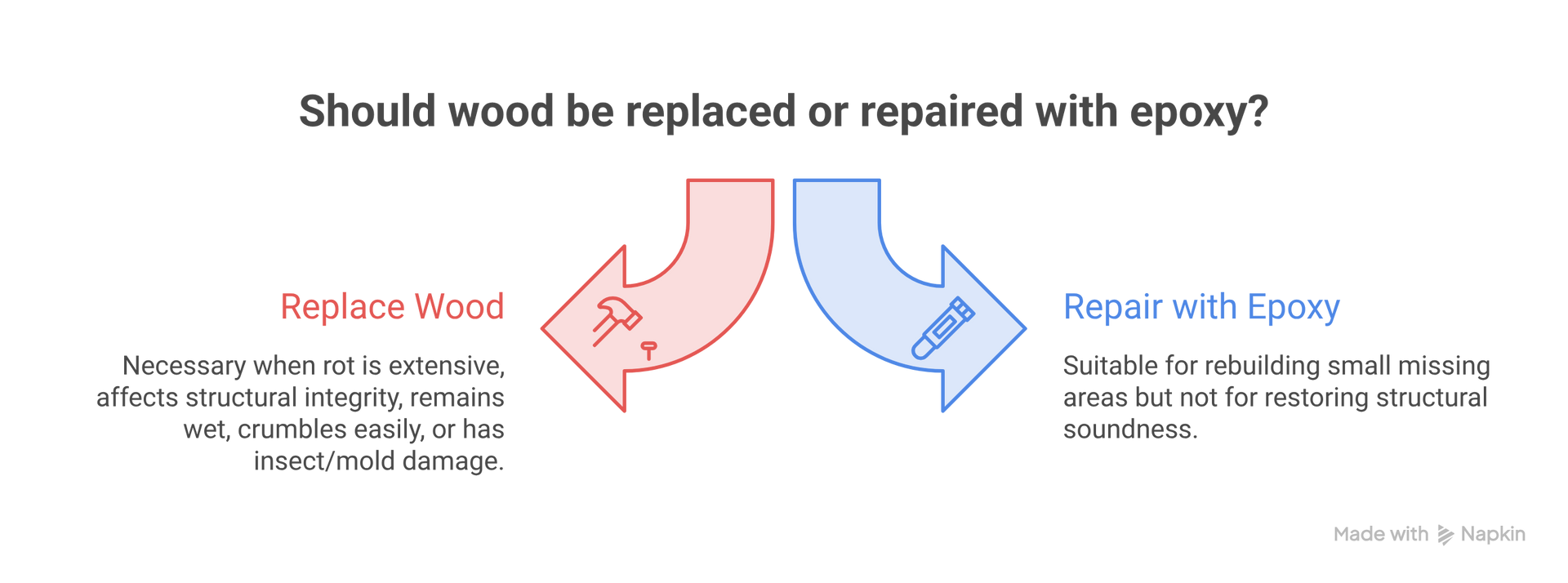
Repair or Replace Rotted Wood?
Repair can make sense when damage is small, dry, localized, and nonstructural.
Replacement is generally more appropriate when deterioration is extensive, structural, repeatedly wet, or spreading into surrounding materials.
How To Prevent Wood Rot From Returning
Keep gutters clear, maintain flashing, repair leaks, and direct water away from the home.
Peeling paint, damaged siding, failing caulk, and soft exterior wood should be addressed before moisture causes larger problems.
How Sunrise Exterior Can Help
Sunrise Exterior can help Illinois homeowners evaluate rotted siding, trim, and other exterior wood.
A proper assessment can determine whether localized repair is practical or whether replacing damaged materials provides a better long term solution.
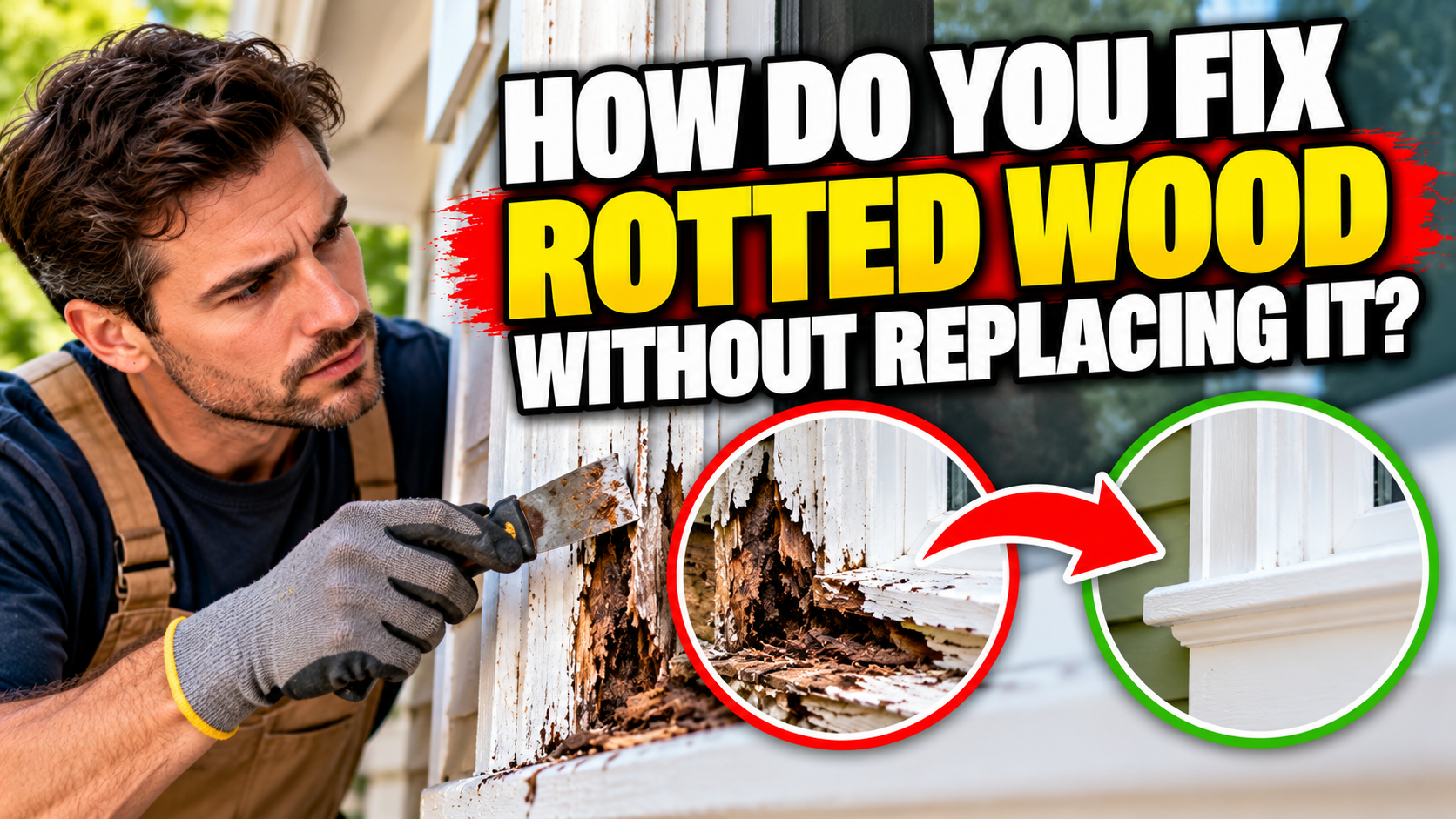
How Do You Fix Rotted Wood Without Replacing It?
Small areas of rotted wood can sometimes be saved by removing the decay, drying the wood, applying epoxy consolidant and filler, then refinishing the surface.
The key is fixing the moisture source first. When rot is extensive or structural, Sunrise Exterior can help determine whether replacement is the safer solution.