Does Insurance Cover Siding Repair?
Does Insurance Cover Siding Repair?
Will Homeowners Insurance Pay for Siding Damage?
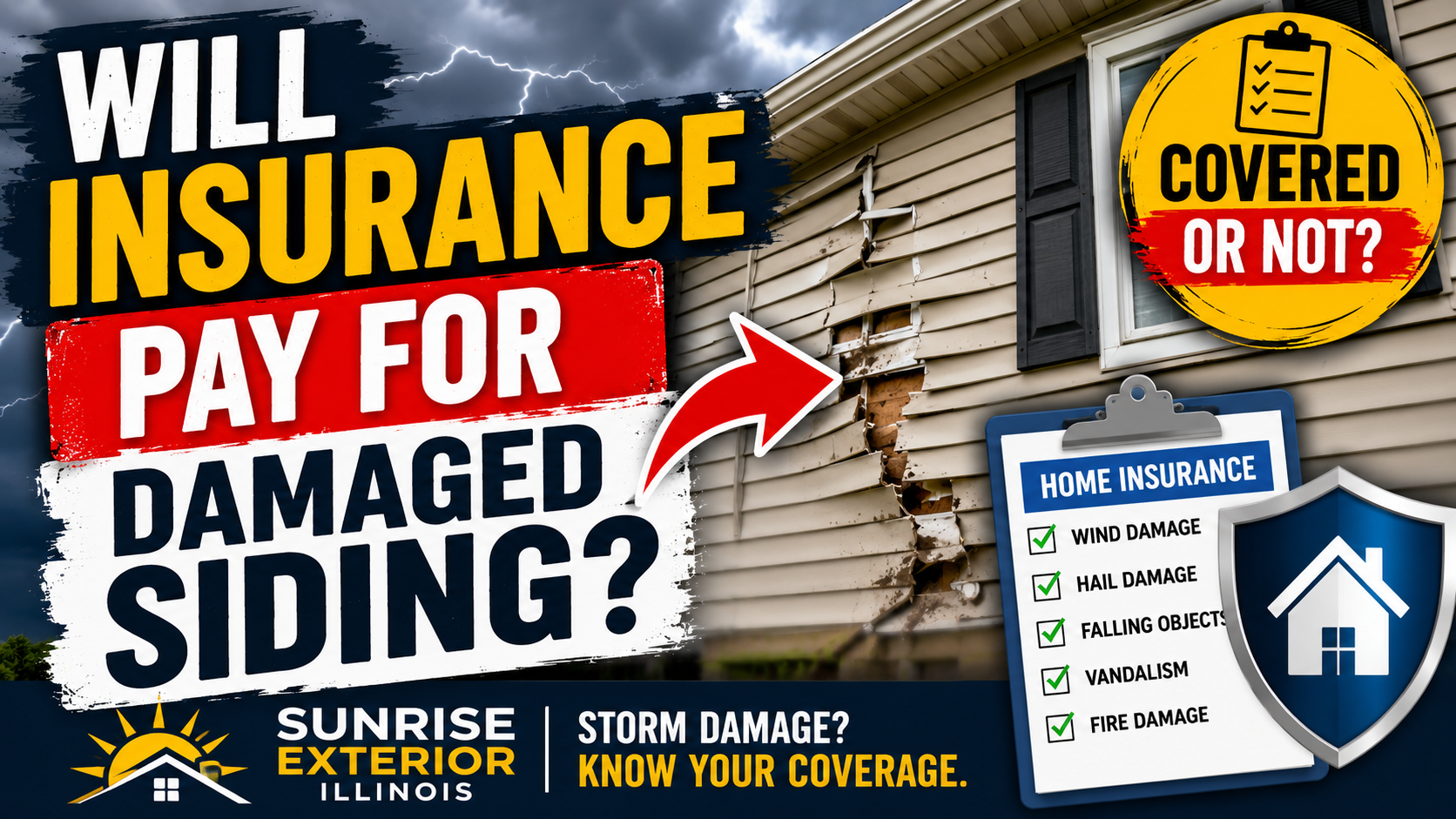
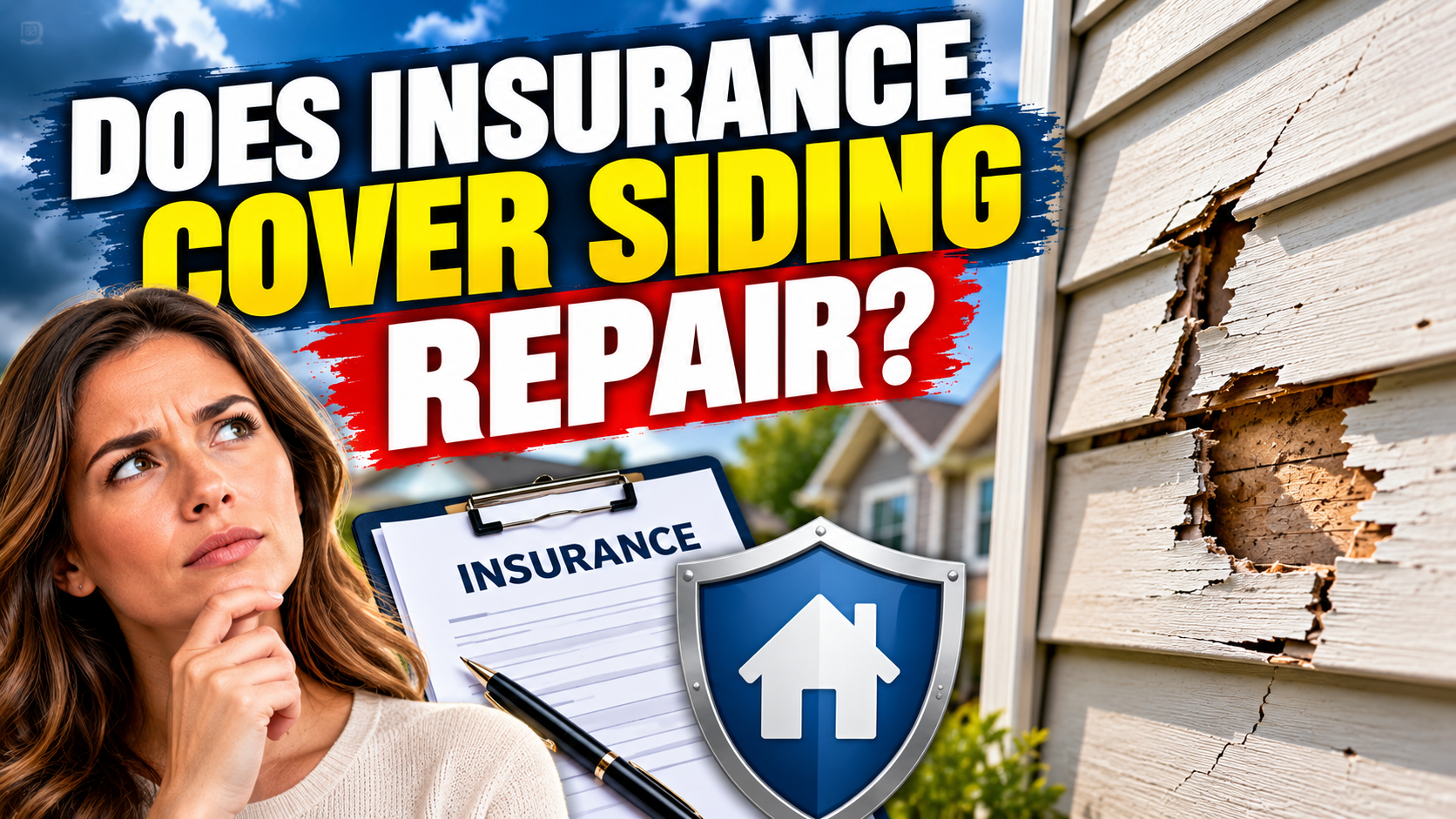
Yes, homeowners insurance may cover siding repair when the damage comes from a sudden covered event. Wind, hail, fire, falling trees, vandalism, and vehicle impacts are common examples.
However, insurance usually does not cover siding simply because it is old, faded, rotting, or poorly maintained. The cause of the damage is one of the biggest factors in determining coverage.
Your deductible, policy terms, siding condition, and extent of the damage can also affect the claim.
For Illinois homeowners, Sunrise Exterior can inspect siding damage and provide a detailed repair scope. The insurance company ultimately determines whether the damage is covered under your policy.
When Does Homeowners Insurance Cover Siding Repair?
Siding is generally considered part of the structure of your home, so covered damage may fall under dwelling coverage.
Wind can loosen or remove siding panels. Hail can crack, dent, or puncture certain siding materials. Falling branches can damage entire sections of an exterior. Fire, lightning, vandalism, and vehicle impacts may also result in covered siding damage depending on the policy.
The key question is usually what caused the damage.
If a sudden covered event caused physical damage to siding that was previously in reasonable condition, there may be coverage for repairs after the applicable deductible.
Every policy is different, so homeowners should review their specific coverage and speak with their insurer before assuming a siding repair will be paid for.
Make the opening more directTrim repeated coverage explanations
When Is Siding Repair Usually Not Covered?
Homeowners insurance is designed for covered losses, not routine maintenance or normal aging.
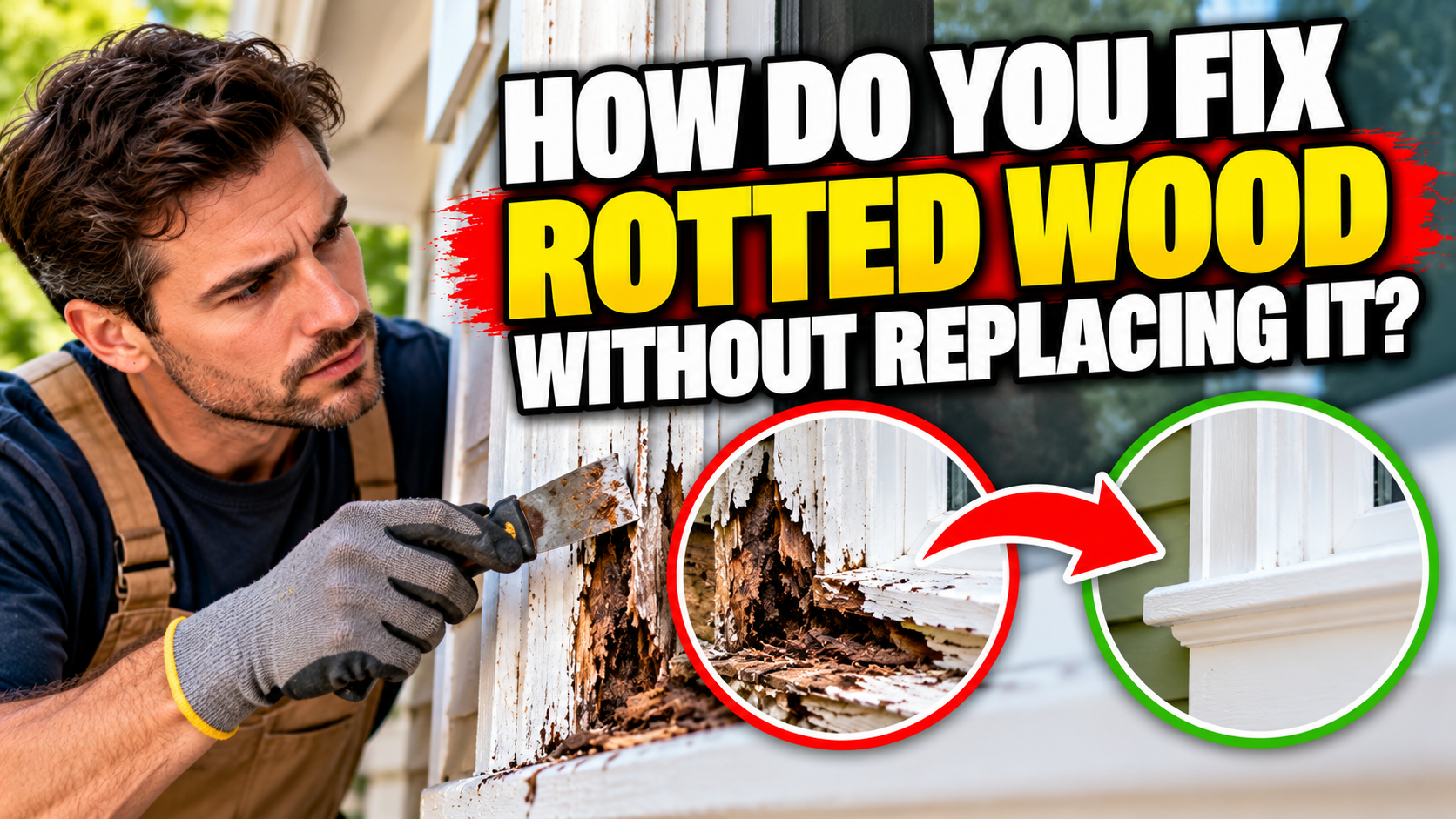
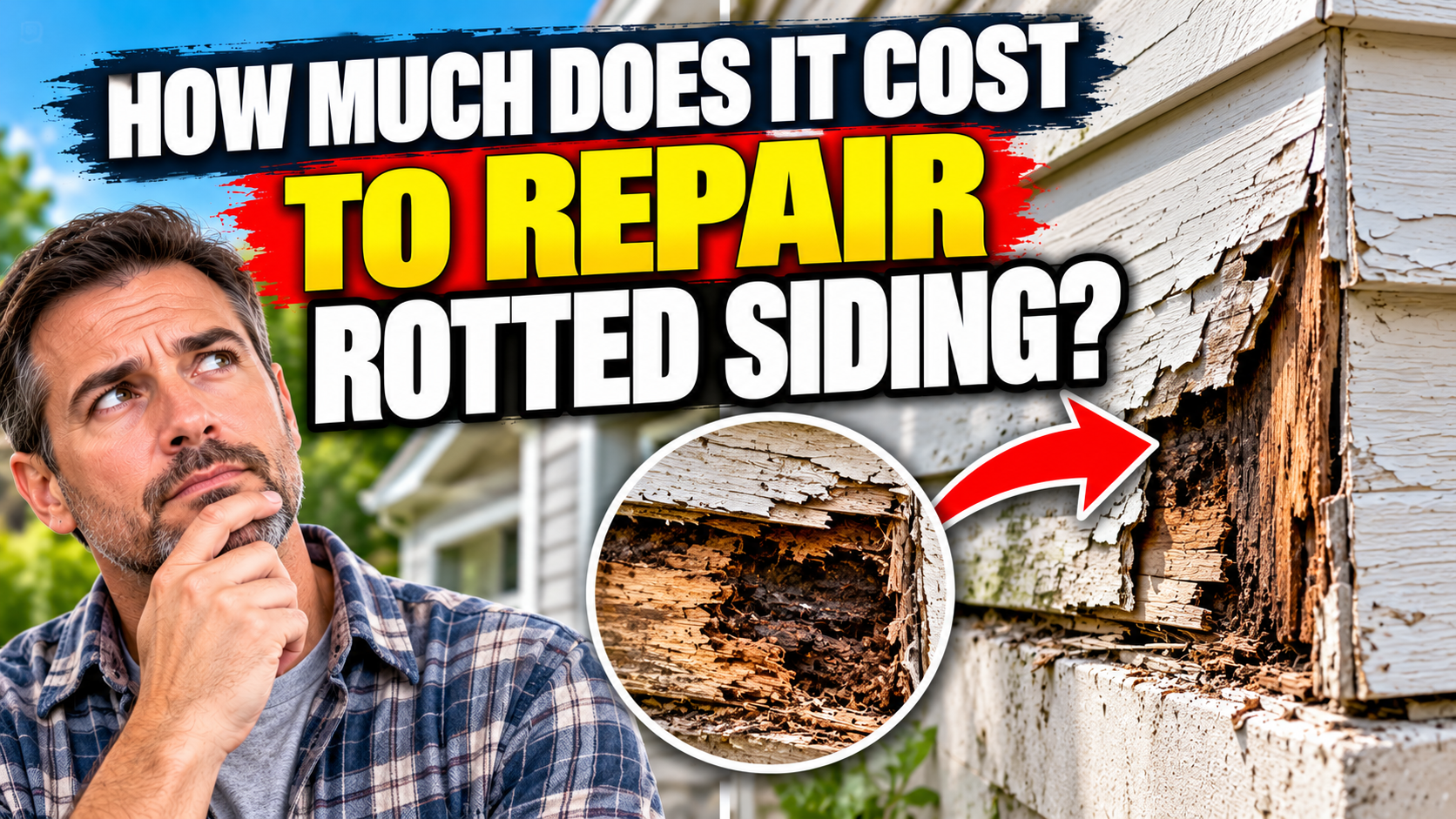
Siding that fades from sunlight, becomes brittle with age, or deteriorates gradually is usually not covered. The same is generally true for rot caused by long term moisture, pest damage, poor maintenance, improper installation, and manufacturer defects.
Flood and earthquake damage are also commonly excluded from standard homeowners policies and may require separate coverage.
A storm does not automatically make older siding damage an insurance loss. If siding was already cracked, loose, or deteriorated, the insurer may determine that some or all of the damage existed before the storm.
How Insurance Companies Determine What Caused the Damage
The cause of the siding damage can make a major difference in whether a claim is covered.
An insurer may look at the condition of the siding, the location and pattern of damage, recent weather events, photographs, maintenance history, and contractor documentation.
For example, siding pulled away during strong winds may look different from siding that became loose because of improper fastening. Hail damage may also need to be separated from ordinary wear or previous impact damage.
Good documentation can make the condition easier to understand. Homeowners should photograph damaged areas as soon as possible and keep records related to the event.
A contractor such as Sunrise Exterior can inspect the physical damage and prepare a detailed repair scope, while the insurance company determines what is covered under the homeowner policy.
Does Insurance Cover Wind Damaged Siding?
Wind damage may be covered when wind is an insured cause of loss under the policy.
Strong winds can loosen panels, break locking edges, crack siding, or remove entire sections. Windblown debris can also cause impact damage.
The insurer may inspect whether the damage came from the storm or from an existing installation or maintenance problem.
Does Insurance Cover Hail Damaged Siding?
Hail can damage vinyl, fiber cement, wood, aluminum, and other siding materials.
Depending on the material, damage may appear as cracks, punctures, dents, chips, or broken sections.
Coverage depends on the policy and whether the damage is considered covered physical damage. Some policies may also contain limitations for cosmetic damage.
Will Insurance Replace All of Your Siding?
A covered claim does not automatically mean the insurance company will replace all the siding on your home.
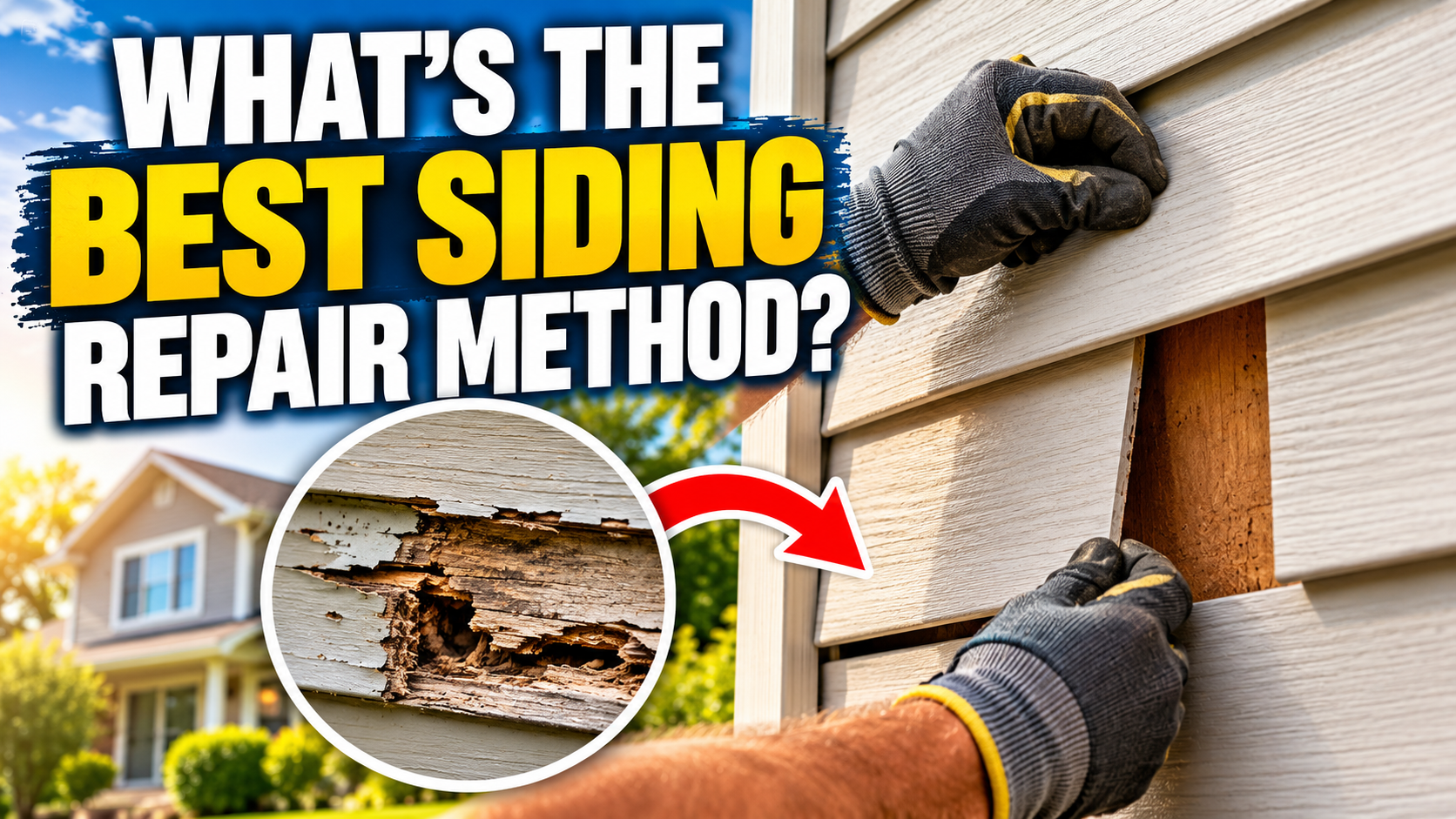
The approved repair could involve one panel, several panels, one wall, or one elevation.
Broader replacement may become an issue when matching materials are unavailable or a limited repair cannot reasonably restore the damaged area. The final scope depends on the policy, damage, and applicable rules.
What Happens If Your Existing Siding Cannot Be Matched?
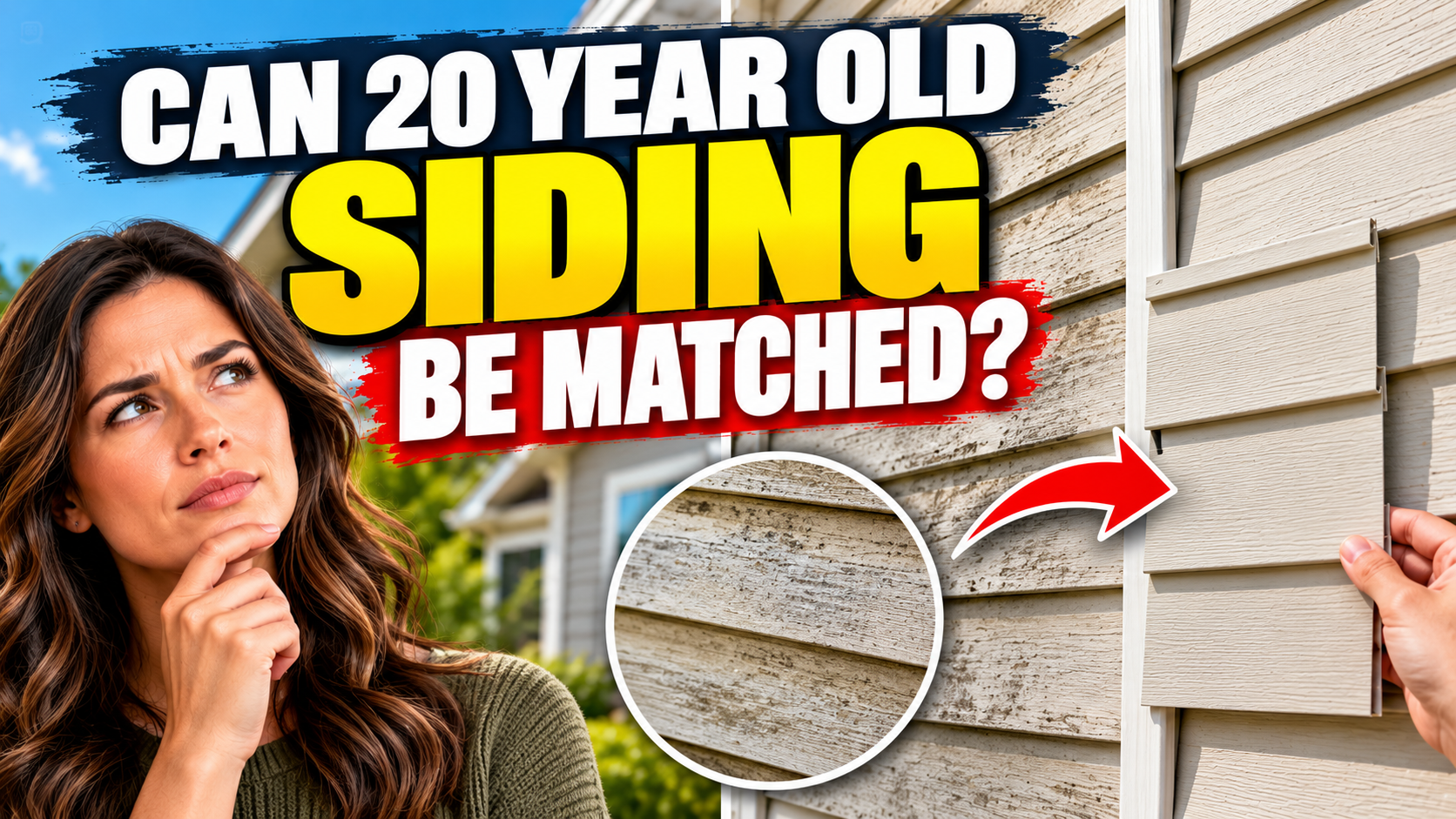
Matching can become difficult when siding is old, faded, or discontinued.
A new panel may have a different color, profile, texture, or finish from the existing siding.
Whether insurance pays for a larger replacement because of matching concerns depends on the policy language and applicable state requirements. Homeowners should document material availability and obtain written information from suppliers when possible.
What Illinois Homeowners Should Know
Illinois homeowners should review their own policy rather than assuming insurance rules from another state apply to their claim.
Coverage can depend on the cause of damage, deductible, endorsements, settlement terms, and other policy provisions.
Sunrise Exterior can help document the physical condition of the siding and prepare a repair estimate. The insurer remains responsible for deciding what the policy covers.
How Your Insurance Deductible Affects a Siding Claim
The deductible is the amount the homeowner is responsible for before insurance payment is calculated.
For example, a covered repair may cost several thousand dollars, but a large deductible can significantly reduce the potential insurance payment.
Some policies may also have different deductibles for wind, hail, or certain storms. Checking the deductible before filing can help homeowners understand the financial side of the claim.
Actual Cash Value Versus Replacement Cost
Actual cash value generally considers depreciation based on factors such as age and condition. Older siding may therefore receive a lower settlement.
Replacement cost coverage generally focuses on the cost of repairing or replacing covered damage with similar materials, subject to the policy terms.
Some policies may initially withhold depreciation and release additional funds after approved repairs are completed and documented.
Does Insurance Cover Hidden Damage Behind the Siding?
Removing damaged siding can sometimes reveal wet sheathing, damaged housewrap, broken flashing, rot, or other problems.
Whether this additional damage is covered can depend on what caused it.
Damage directly resulting from the same covered event may be treated differently from deterioration caused by years of moisture or poor maintenance.
Photographing hidden damage before repairs continue can provide valuable documentation.
What About Building Code Upgrades?
Repairing siding may require certain components to meet current building requirements.
This can involve flashing, water management materials, insulation, or other exterior components.
Insurance does not necessarily pay for every code related upgrade. Ordinance or law coverage may help with certain additional costs when included in the policy.
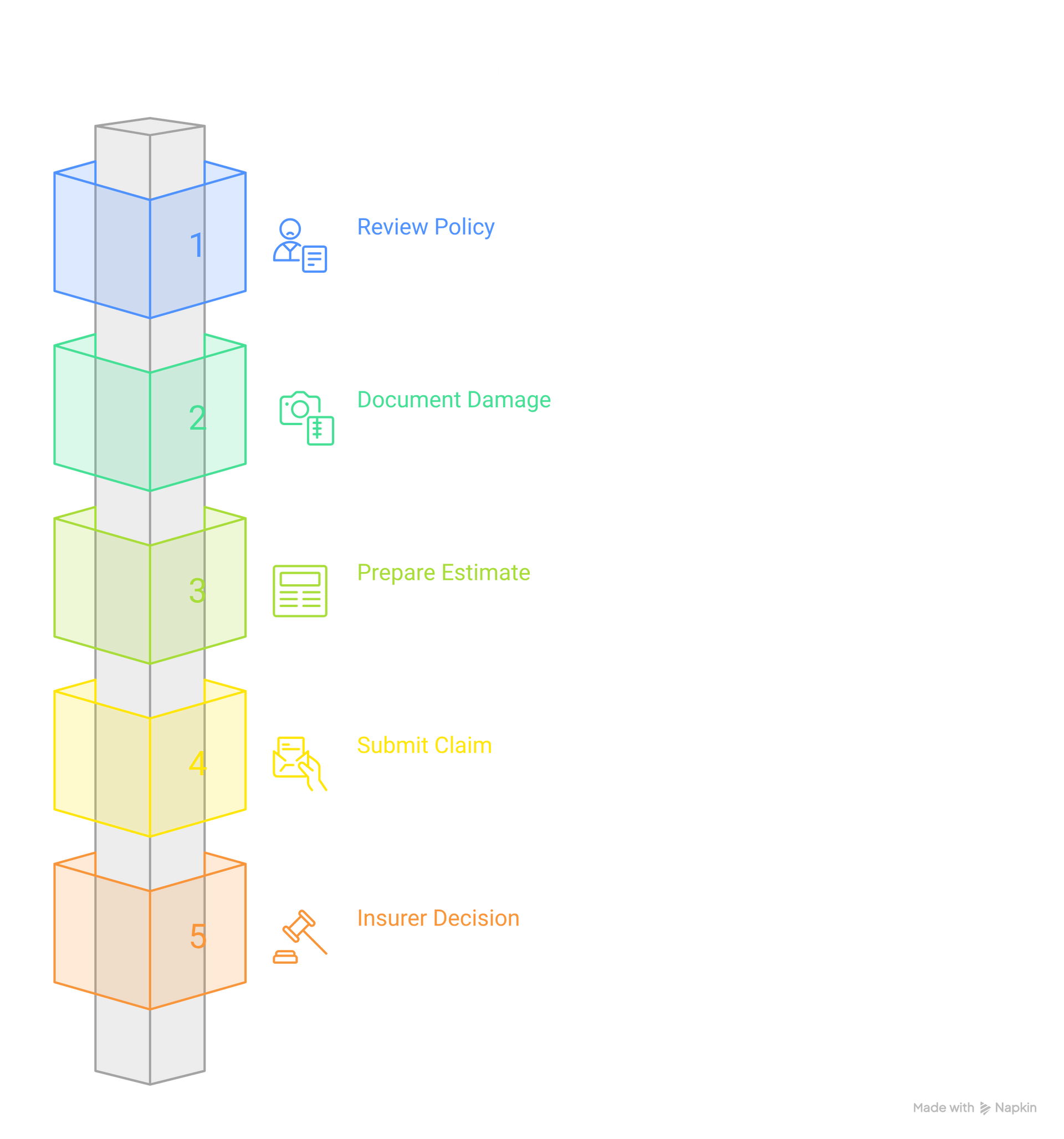
What Should You Do After Siding Damage?
Start by preventing additional damage when it is safe to do so.
Take photographs and videos of every affected area. Record the date and circumstances of the damage and save receipts for temporary repairs.
Review your insurance policy and report the loss when appropriate.
A professional exterior inspection can also help determine the physical extent of the damage before permanent repairs begin.
What Should a Siding Repair Estimate Include?
A detailed estimate should explain exactly what needs to be repaired.
This may include siding, trim, flashing, housewrap, sheathing, labor, removal, disposal, finishing, and cleanup.
When possible, storm related damage should be separated from existing deterioration.
Clear documentation makes it easier for the homeowner, contractor, and insurer to understand the proposed repair.
The Contractor and Insurance Company Have Different Jobs
A siding contractor and an insurance company play different roles.
The contractor evaluates the exterior, identifies physical damage, and determines what is required to repair the home correctly.
The insurance company reviews the policy and decides what damage is covered.
Sunrise Exterior can provide inspections, documentation, estimates, and repair recommendations without making promises about insurance coverage.
What If the Insurance Estimate Misses Damage?
Compare the insurance estimate with the contractor repair scope.
Look for missing siding, trim, flashing, housewrap, removal work, disposal, and other necessary repairs.
If something appears to be missing, homeowners can provide additional photographs and contractor documentation and ask the insurer about another inspection.
What If Your Siding Claim Is Denied?
Ask the insurance company to explain the decision in writing.
Review the policy language used to deny or limit coverage and compare the insurer findings with available photographs and contractor documentation.
Homeowners may also request another inspection or use available dispute procedures when appropriate.
For unresolved concerns about insurance claim handling, Illinois homeowners can also consult the Illinois Department of Insurance.
Common Siding Insurance Claim Mistakes
Poor documentation can make a siding claim more difficult.
Avoid throwing away damaged materials too quickly or making extensive permanent repairs before the damage is documented.
Homeowners should also avoid assuming that every storm automatically creates a covered claim or that discontinued siding guarantees complete replacement.
Reading the policy and keeping written records can prevent many misunderstandings.
Repair or Replace?
Once the damage has been evaluated, the next question is how much siding actually needs attention.
Localized damage may only require several replacement panels. More extensive damage could require replacing an entire wall or elevation.
Age, matching, material availability, hidden damage, and the condition of the remaining siding should all be considered.
How Sunrise Exterior Can Help Illinois Homeowners
After a storm, it can be difficult to tell where visible siding damage ends and a larger exterior problem begins.
Sunrise Exterior can inspect the siding, document visible damage, identify areas that may require closer investigation, and prepare a detailed repair or replacement estimate.
This gives Illinois homeowners a clearer picture of what their exterior needs while leaving coverage decisions to the insurance company.
Does Insurance Cover Siding Repair?
Yes, homeowners insurance may cover siding repair when damage comes from a sudden event that is covered by the policy, such as wind, hail, fire, falling objects, or vandalism.
Normal aging, fading, rot, poor maintenance, installation problems, and long term moisture damage are generally treated differently.
Even when damage is covered, the deductible, policy terms, matching requirements, and extent of damage can affect the final settlement.
For Illinois homeowners, Sunrise Exterior can inspect siding damage and provide a clear repair scope so you understand what your exterior needs before moving forward with repairs.
Recent Posts