What Devalues a Home The Most?
What Devalues a Home The Most?
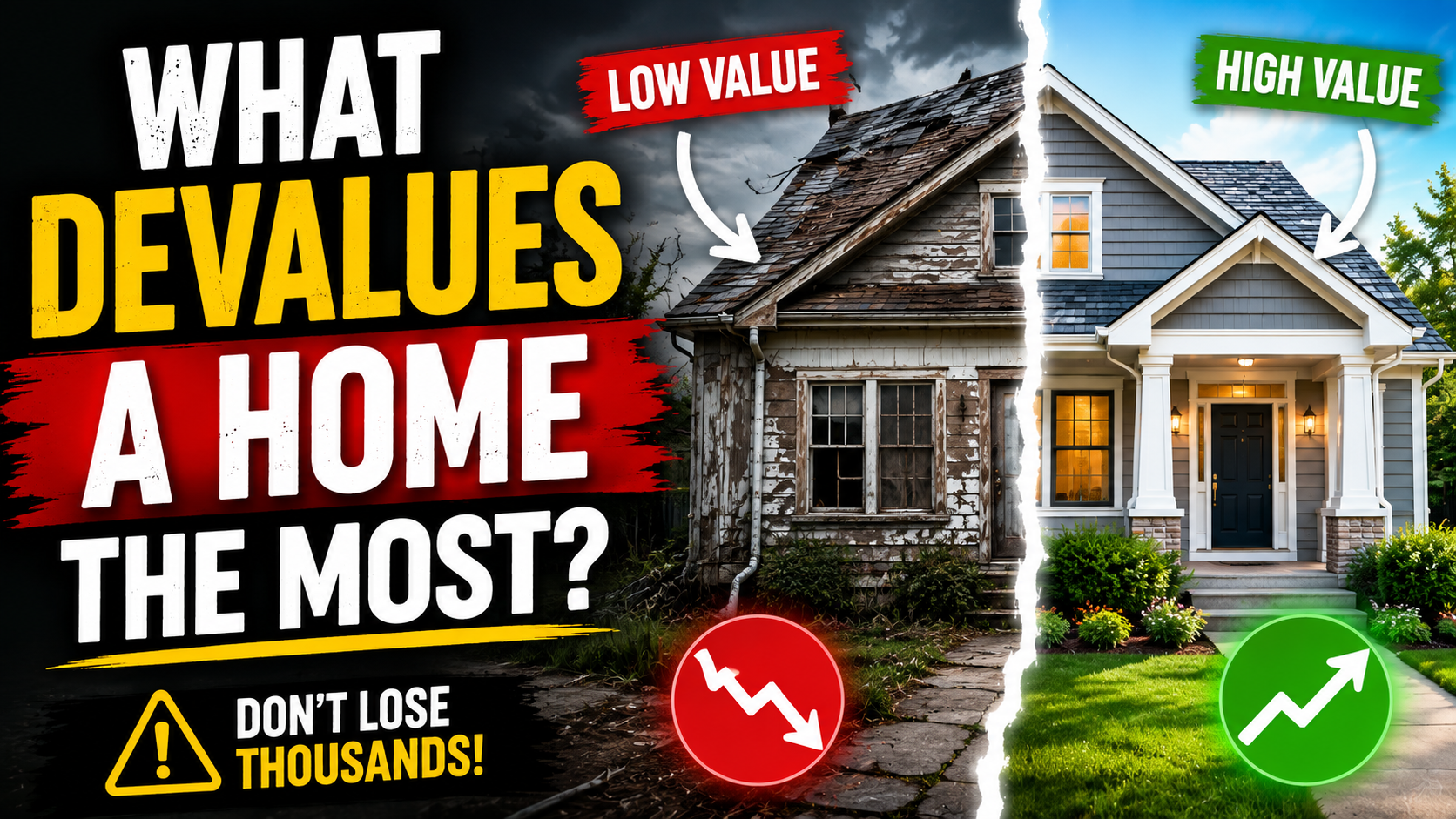
The Biggest Home Value Killers Are Usually Not Cosmetic
Homeowners tend to worry about the things they can see.
The kitchen looks dated.
The bathroom tile belongs to another decade.
The living room needs paint.
The carpet has seen better days.
Those things can certainly influence how buyers feel about a property. But they usually are not what devalues a home the most.
The biggest problems tend to be far less glamorous and considerably more expensive.
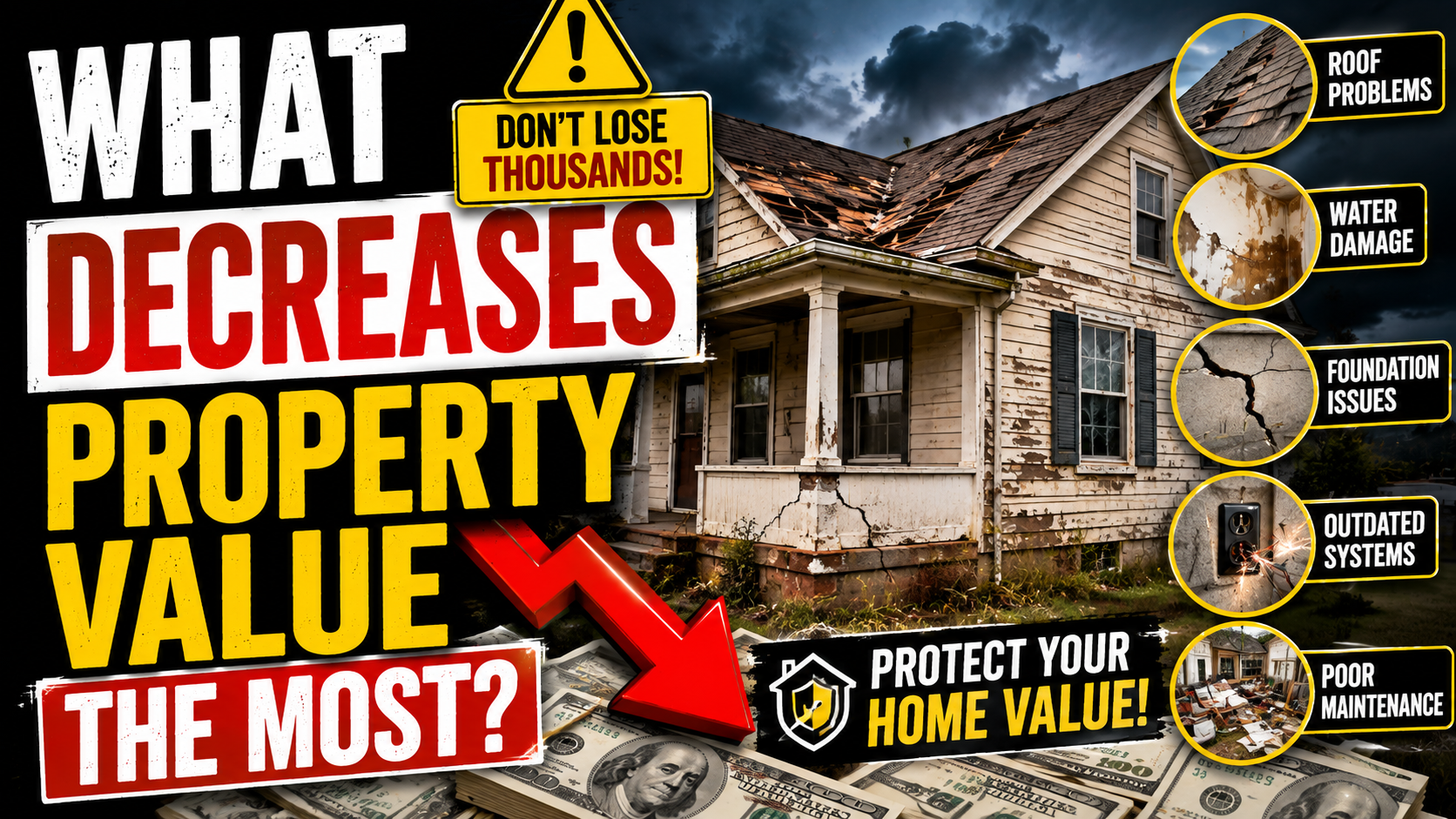
Serious deferred maintenance, water damage, structural problems, a failing roof, exterior deterioration, unsafe major systems, legal complications, and poorly executed renovations can create much larger concerns for buyers than dated finishes ever will.
There is a simple reason.
Buyers can imagine changing paint.
They can replace light fixtures.
They can update cabinets later.
What buyers have a much harder time accepting is uncertainty.
A stain on the ceiling creates questions.
Where did the water come from?
Is the roof leaking?
Has the leak been repaired?
Is there damage inside the ceiling?
Could there be mold?
Suddenly, one brown spot is no longer just a brown spot. In the buyer’s mind, it has become a potential roofing project, drywall repair, moisture problem, and unknown bill waiting after closing.
That is how home value can begin slipping away.
Buyers Are Often Pricing Risk, Not Just Repairs
One of the biggest mistakes homeowners make is assuming that a repair reduces the value of the property only by the cost of fixing it.
Suppose a buyer notices significant exterior deterioration.
The homeowner may think the repair will cost a certain amount and assume the buyer will simply subtract that amount from the offer.
Buyers do not always think that neatly.
They may also consider the inconvenience of arranging the work, the possibility of hidden damage, uncertainty surrounding the final cost, and the risk that another problem will appear once repairs begin.
That uncertainty can make a relatively straightforward maintenance problem feel much larger.
It also explains why neglected homes can create such a powerful impression.
One damaged item might be manageable.
A damaged roof, sagging gutters, deteriorating siding, peeling exterior finishes, water stains, and neglected landscaping appearing together tell a different story.
The buyer begins wondering what else has been ignored.
Condition Matters When Homes Are Compared
Home value also does not exist in isolation.
Appraisers generally evaluate a property in relation to comparable properties in the same market. Characteristics such as location, size, room count, style, finished area, and overall condition can all influence that comparison.
This means homeowners should think about condition competitively.
Imagine two similar houses for sale in the same neighborhood.
One has a maintained roof, clean siding, functioning gutters, a dry basement, and documented improvements.
The other has curling shingles, damaged siding, water staining, and several repairs that have clearly been postponed.
Even if the houses look similar on paper, buyers may perceive them very differently.
The better maintained home feels predictable.
The neglected home feels like a project.
And projects come with a price.
Illinois Weather Makes Exterior Maintenance Particularly Important
For Illinois homeowners, exterior condition deserves special attention.
A house here has to deal with changing seasons, rain, snow, wind, freezing temperatures, summer heat, storms, and repeated temperature swings.
The exterior takes the punishment first.
Your roof, siding, gutters, flashing, windows, doors, fascia, soffits, and drainage systems form a protective barrier between those conditions and everything inside the house.
When that barrier begins failing, the problem does not always stay outside.
A roof leak can damage insulation and ceilings.
Failed flashing can allow water into walls.
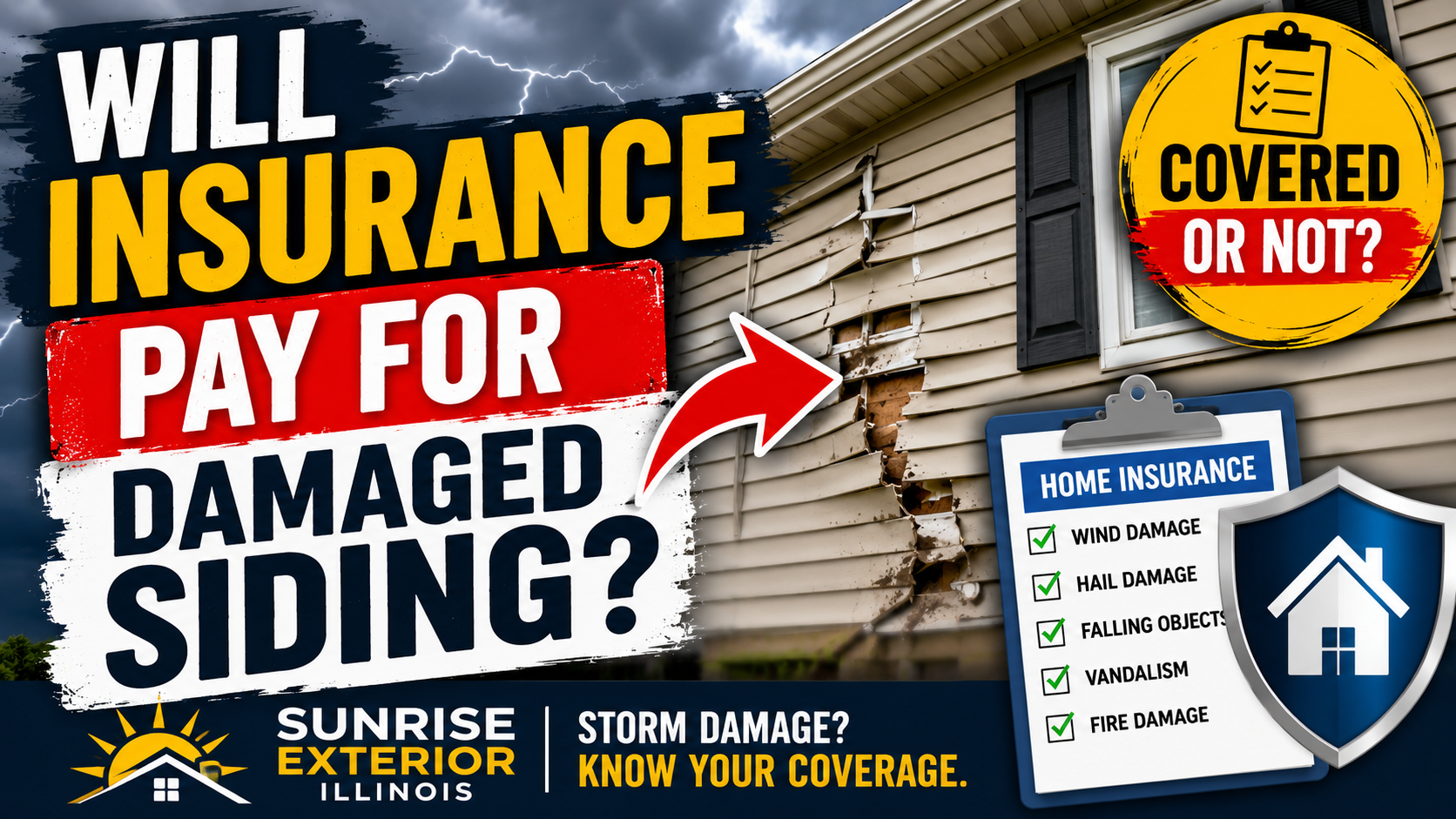
Damaged siding can expose materials underneath to moisture.
Poorly functioning gutters can contribute to water collecting where you do not want it.
This is why working with an Illinois home improvement company such as Sunrise Exterior can become valuable before deterioration turns into something larger.
The objective is not simply making a house look newer.
It is protecting what is underneath.
And when it comes to preserving home value, that distinction matters.
What Actually Determines How Much a Problem Devalues a Home?
Homeowners naturally want a number.
How much does an old roof reduce home value?
How much does damaged siding cost me when I sell?
Will water damage reduce the price by five percent?
Ten percent?
More?
Unfortunately, there is no universal percentage.
A defect that seriously affects one property may have a much smaller impact on another.
The effect depends on the house, the problem, the neighborhood, the local market, and how buyers respond to that particular combination.
Local Market Conditions Matter
Real estate is local.
A home is generally evaluated against other relevant properties competing in the same market rather than against some theoretical national standard.
Comparable sales matter because buyers and appraisers want to understand what similar properties are actually worth in that location.
The same improvement can therefore have different financial significance depending on where the house is located.
A feature that buyers expect in one Illinois community may be considered unnecessary in another.
The same principle applies to condition.
If most comparable homes have recently updated exteriors and your property has obvious roof and siding deterioration, that difference can become much more noticeable.
Severity Matters More Than the Name of the Problem
Saying a home has an old roof tells you surprisingly little.
How old?
What material?
Has it been maintained?
Is it leaking?
Are shingles missing?
Is there damaged flashing?
Is the roof structurally sound?
How much useful life remains?
Two roofs of similar age can create completely different reactions from buyers.
The same applies to siding, windows, plumbing, heating equipment, and almost every other major component of a house.
Age matters.
Condition often matters more.
Repair Costs Matter
Buyers know major home repairs can be expensive.
If an inspection identifies a significant problem, they may mentally subtract the expected repair cost from what they are willing to pay.
But that is only the beginning.
They may also wonder whether the initial estimate is accurate.
What if the contractor opens the wall and finds rot?
What if replacing damaged shingles reveals deteriorated roof decking?
What if the basement moisture problem is more complicated than it first appeared?
That possibility creates another cost that is harder to measure.
Uncertainty.
Financing and Insurance Can Change the Equation
Some defects move beyond buyer preference.
Serious problems affecting safety, soundness, structural integrity, or habitability can create additional complications during a real estate transaction.
A buyer might love the house and still face questions from an appraiser, lender, or insurance company.
This is one reason significant deferred maintenance deserves attention before listing.
Fannie Mae appraisal guidance distinguishes ordinary minor wear from more serious deficiencies that can affect safety, soundness, or structural integrity.
A dated bathroom may simply be dated.
A serious structural problem belongs in an entirely different category.
Remaining Useful Life Influences Buyer Perception
Something does not necessarily have to be broken to concern a buyer.
Sometimes it simply looks close to the end.
A functioning roof with very little useful life remaining can still become a negotiation point.
The same applies to an aging furnace, air conditioner, water heater, or other major component.
Buyers are not only purchasing what works today.
They are thinking about what they may need to replace tomorrow.
That is particularly important with expensive components.
Nobody wants to move into a new house and immediately discover that the first major project is waiting for them.
Buyer Demand Changes Everything
Different markets produce different levels of buyer tolerance.
In a highly competitive market with limited inventory, buyers may accept defects they would reject under different conditions.
When buyers have more choices, property condition can become a much stronger negotiating tool.
This is another reason homeowners should avoid assuming that a particular renovation automatically produces a specific return.
The market ultimately decides how much buyers value it.
The Biggest Discount Often Comes From Uncertainty
There is a theme running through almost every major problem that devalues a house.
Uncertainty makes things worse.
A documented roof repair is easier to understand than an unexplained ceiling stain.
A professionally corrected moisture problem is easier to evaluate than a basement that smells damp every spring.
A permitted renovation with invoices and inspection records creates more confidence than a beautiful finished basement nobody can prove was constructed properly.
Buyers like answers.
Unknowns make them nervous.
For homeowners thinking about selling, this creates a useful rule.
Do not simply ask what will make the house look better.
Ask what could make a buyer hesitate.
For many Illinois homes, the answer begins outside.
The condition of the roof, siding, gutters, drainage, windows, doors, and other exterior components can tell buyers a great deal about how the property has been maintained.
Addressing those vulnerabilities with an experienced home improvement company such as Sunrise Exterior can help homeowners focus on something more important than surface level appearance.
Reducing uncertainty before it becomes a negotiating point.
Here are Sections 3 and 4 only, continuing the same style and avoiding all hyphen and dash punctuation.
Deferred Maintenance May Be the Biggest Overall Home Value Problem
A house rarely becomes neglected overnight.
It happens one small decision at a time.
The gutter starts sagging, but it still moves water.
A few shingles look damaged, but the roof is not leaking yet.
Paint begins peeling around a window.
A piece of siding comes loose.
There is a small water stain in the basement after heavy rain.
Each problem seems manageable enough to postpone.
Then five years pass.
Suddenly, the house does not have one maintenance issue. It has twelve.
That accumulation is what makes deferred maintenance so damaging to home value.
What Is Deferred Maintenance?
Deferred maintenance simply means necessary repairs or routine maintenance have been postponed.
Sometimes homeowners delay work because the problem does not seem urgent.
Sometimes money is tight.
Sometimes they simply do not notice deterioration occurring slowly over time.
Whatever the reason, postponing maintenance can allow relatively minor problems to become considerably more expensive.
A small roof problem can become a leak.
A leak can damage insulation.
Moisture can reach drywall or wood.
Damaged gutters can contribute to poor drainage.
Deteriorating exterior materials can expose the components underneath them.
What started as maintenance becomes repair.
What started as repair can become replacement.
What Does Deferred Maintenance Look Like?
Some signs are obvious.
Missing or damaged shingles.
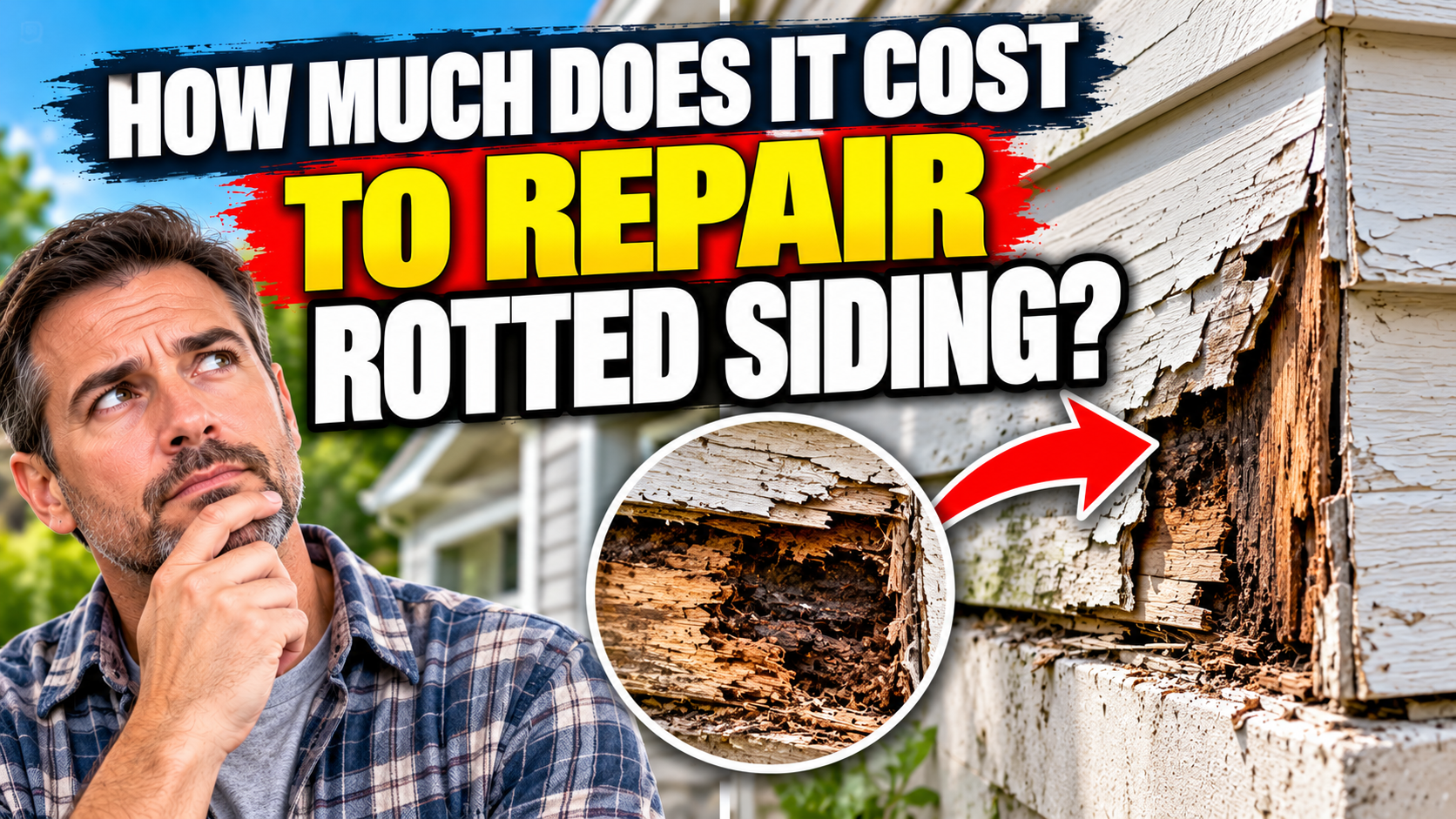
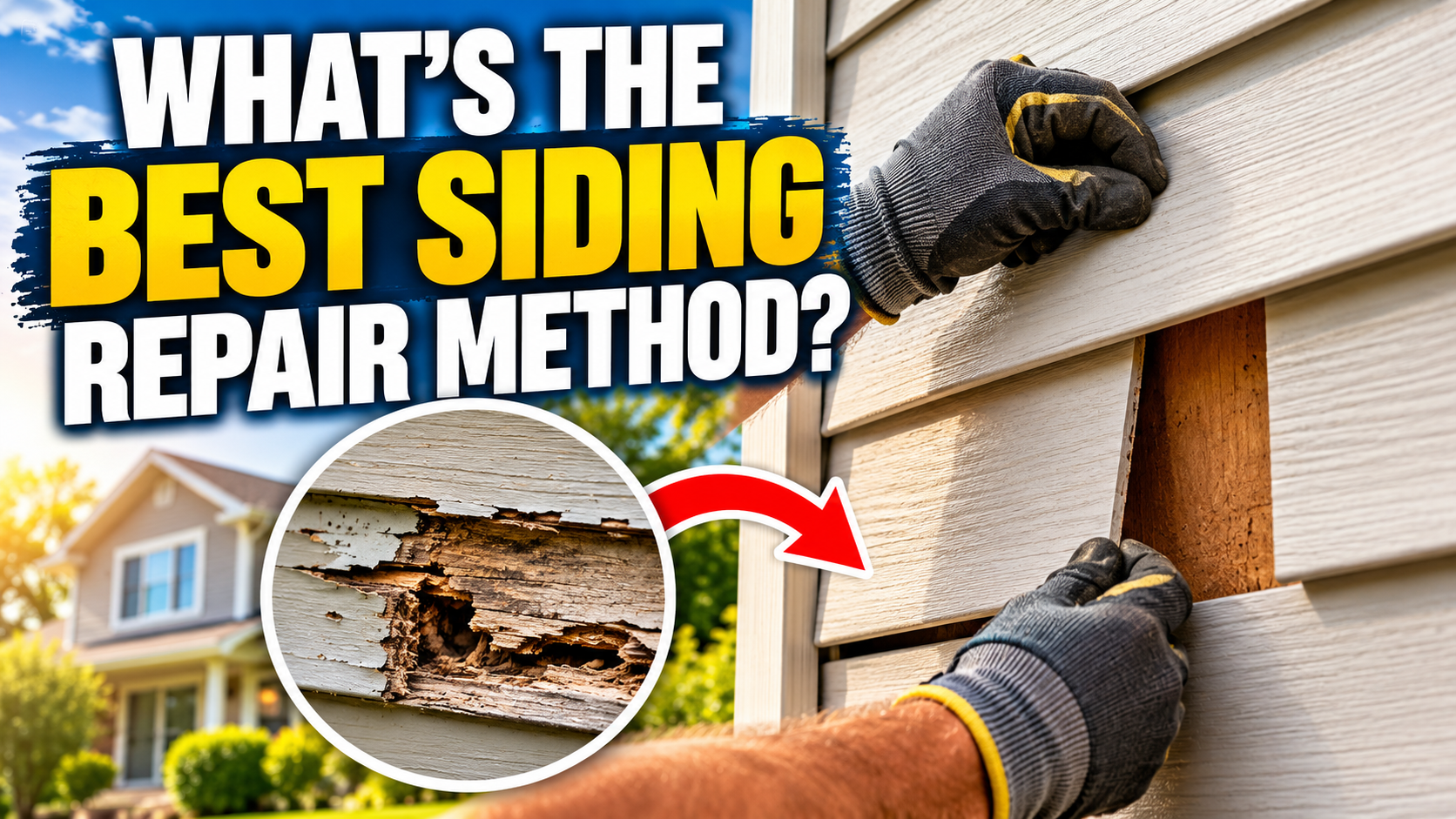
Cracked or deteriorating siding.
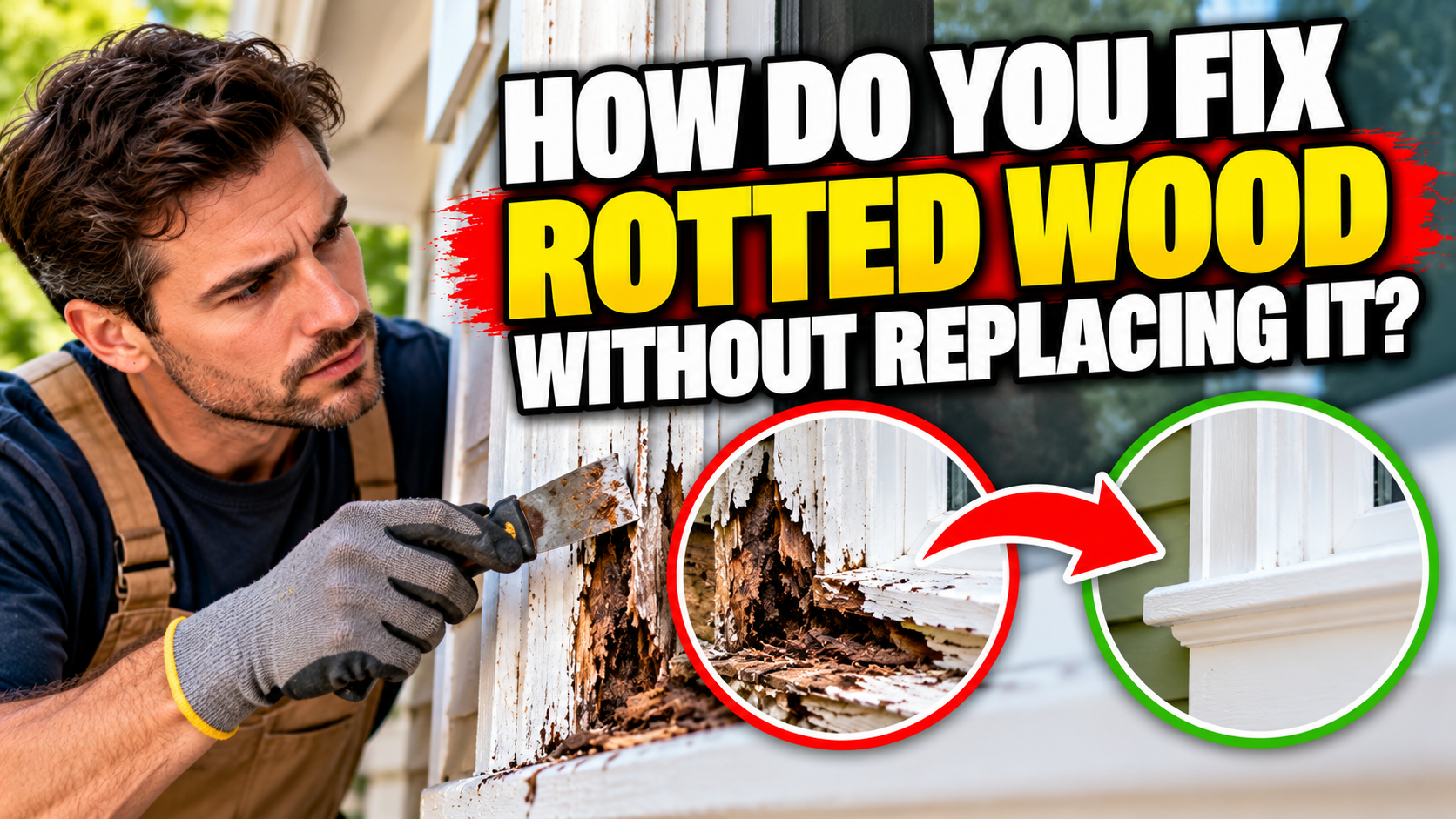
Rotting exterior trim.
Sagging gutters.
Peeling exterior paint.
Broken windows.
Damaged doors.
Plumbing leaks.
Poor drainage around the foundation.
Neglected heating and cooling equipment.
Damaged flooring.
Overgrown landscaping.
Dead or hazardous trees.
Other problems are quieter.
A homeowner who sees the property every day may gradually stop noticing them.
A buyer walking through for the first time does not have that luxury.
They see everything at once.

One Small Problem Is Different From Twenty Small Problems
This is where deferred maintenance becomes particularly damaging.
A buyer might see one broken gutter and think, “That needs to be repaired.”
Then they notice deteriorated siding.
Then peeling trim.
Then a ceiling stain.
Then a window that will not close properly.
Then an air conditioner that looks ancient.
Now the conversation changes.
The buyer is no longer thinking about one repair.
They are wondering whether the entire property has been neglected.
That perception can be extremely difficult to reverse.
Visible neglect creates suspicion about invisible neglect.
If the homeowner did not repair obvious exterior deterioration, did they maintain the furnace?
Was the plumbing serviced?
Has the roof ever been inspected?
What condition is the attic in?
Is there moisture behind the siding?
Buyers begin mentally opening walls they have never seen inside.
And every unanswered question creates more uncertainty.
Buyers May Discount More Than the Repair Cost
Suppose a contractor estimates that several visible repairs will cost a certain amount.
It would be tempting to assume the buyer will simply subtract that number from their offer.
But the buyer may see things differently.
They have to find the contractor.
They have to schedule the work.
They may need to live around the repairs.
The contractor may discover additional deterioration.
Material prices could change.
The work may take longer than expected.
Suddenly, the buyer is not purchasing a home and a repair.
They are purchasing a home, a repair, a project, and a collection of unknowns.
That can make the discount they want considerably larger than the original repair estimate.
When Deferred Maintenance Becomes More Serious
Not every maintenance issue threatens a real estate transaction.
Minor wear is part of owning a house.
Fannie Mae appraisal guidance recognizes a distinction between ordinary wear and more significant deficiencies affecting safety, soundness, or structural integrity.
That distinction matters.
A scratched floor is one thing.
A roof allowing water into the house is another.
Faded paint is one thing.
Rotting structural material is another.
The more a problem moves from appearance toward function, safety, moisture protection, or structural integrity, the more seriously homeowners should treat it.
Exterior Maintenance Deserves Early Attention
Many expensive interior problems begin outside.
That makes exterior maintenance particularly important for Illinois homeowners.
Roofing, siding, gutters, flashing, fascia, soffits, windows, doors, and drainage components spend their lives protecting the rest of the house from weather.
When those systems are maintained, they quietly do their job.
When they fail, the evidence may eventually appear somewhere else.
A ceiling stain.
A damp wall.
Rot around a window.
Moisture in the attic.
Water near the foundation.
This is where an Illinois home improvement company such as Sunrise Exterior can provide value.
The smartest exterior project is not always the largest project.
Sometimes it is identifying a vulnerable area early enough that a manageable repair does not become a much larger problem.
For preserving home value, prevention is rarely exciting.
It can still be extremely valuable.
Water Damage Can Turn One Problem Into Five
Few things make a potential homebuyer nervous faster than water where water should not be.
There is a reason for that.
Water rarely respects boundaries.
A leak that begins on the roof does not necessarily remain a roofing problem.
Water can travel.
It can move behind walls.
It can soak insulation.
It can stain ceilings.
It can damage flooring.
It can deteriorate wood.
It can create conditions that support mold growth.
By the time you see the evidence, the original source may be several feet away.
That is what makes moisture problems particularly dangerous to home value.
Where Does Water Intrusion Come From?
There are dozens of potential sources.
Roof leaks are among the most obvious.
But water can also enter through damaged flashing around chimneys, walls, windows, and doors.
Poor grading can direct rain toward the foundation instead of away from it.
Blocked or inadequate gutters can allow water to overflow.
Foundation cracks can contribute to basement seepage.
Plumbing fixtures and pipes can leak.
Bathrooms may be improperly ventilated.
Indoor humidity can become excessive.
Windows can allow moisture into surrounding materials.
Sometimes several issues happen simultaneously.
That is why finding the actual source matters.
Buyers Notice the Evidence Before They Know the Cause
Imagine walking into a house you are considering buying.
You look up.
There is a brown stain on the ceiling.
Immediately, the questions begin.
Is the roof leaking?
Was it repaired?
How long did it leak?
Is the insulation wet?
Is there damaged wood above the ceiling?
Has mold developed?
Will the stain return after the next storm?
The homeowner may know the answer.
The buyer does not.
That gap in knowledge creates uncertainty.
Other moisture warning signs can trigger the same reaction.
Musty odors.
Warped flooring.
Bubbling paint.
Swollen drywall.
Discolored walls.
Deteriorating trim.
Recurring mold.
Damp basement areas.
A homeowner may have become accustomed to these signs.
A buyer is seeing them for the first time.
Fix the Source, Not Just the Evidence
Painting over a water stain can make a ceiling look better.
It does not fix a leaking roof.
Replacing damaged drywall can improve a wall.
It does not stop water from entering behind the siding.
Cleaning visible mold may improve appearance.
It does not solve the moisture problem that allowed it to develop.
This is one of the most important principles in home maintenance.
Fix the source first.
The Environmental Protection Agency recommends addressing plumbing leaks and other water problems promptly, maintaining gutters, directing water away from the foundation, and managing indoor humidity.
The lesson is simple.
Moisture control begins with preventing unwanted water from getting into places where it does not belong.
Gutters Matter More Than They Look
Gutters are not usually the feature that sells a house.
Nobody walks into a showing and says they fell in love with the downspouts.
But gutters perform an important job.
They collect water from the roof and help direct it away from vulnerable areas of the property.
When gutters become clogged, damaged, detached, or improperly positioned, water may overflow or collect near areas where homeowners would rather not have it.
That can contribute to exterior deterioration and drainage concerns.
A relatively unglamorous piece of the exterior can therefore play an important role in protecting far more expensive parts of the house.
Roof and Flashing Problems Can Hide for a Long Time
Not every roof leak announces itself with water dripping onto the kitchen table.
Some leaks develop slowly.
Water may enter around flashing, vents, roof penetrations, or damaged materials and travel before becoming visible inside.
By the time a homeowner notices discoloration on a ceiling or moisture in the attic, the problem may have existed for some time.
That is one reason regular exterior observation matters.
Missing shingles, damaged flashing, deteriorated seals, and visible roof damage deserve attention before the next major storm tests them.
Siding Is Part of the Moisture Defense
Siding has an obvious visual role.
It also helps protect the materials beneath it.
Cracked, loose, warped, or deteriorating siding can signal that the exterior needs attention.
The concern is not simply whether the house looks attractive from the street.
Homeowners should also be thinking about what is happening underneath the visible surface.
Water that repeatedly reaches vulnerable materials can create deterioration that is much more difficult to see and considerably more expensive to correct.
A Past Leak Does Not Automatically Destroy Home Value
There is an important distinction between a house that once had a water problem and a house that still has one.
Homes require repairs.
Roofs eventually leak.
Plumbing occasionally fails.
Storms cause damage.
The existence of a previous problem does not automatically make a property undesirable.
What matters is what happened next.
Was the source identified?
Was it repaired correctly?
Were damaged materials addressed?
Was professional remediation performed where appropriate?
Are there invoices, warranties, photographs, or other records documenting the work?
Documentation can help transform an alarming unknown into an understandable repair history.
That can make an enormous difference in buyer confidence.
Stop Water Before You Spend Money Making Things Pretty
If you are preparing an Illinois home for sale and choosing between fixing an active moisture problem and making a purely cosmetic improvement, the moisture problem deserves priority.
A beautiful room beneath a leaking roof is still beneath a leaking roof.
Fresh paint over damp materials does not solve the underlying issue.
New flooring cannot compensate for water that continues entering the basement.
This is where Sunrise Exterior can fit into a broader home value strategy.
Roofing, siding, gutters, flashing, and other exterior components are not simply cosmetic features.
Together, they help form the protective shell around the home.
Keeping that shell in good condition can help prevent one exterior weakness from becoming five interior problems.
And when the goal is protecting home value, stopping damage before it spreads is usually far more powerful than trying to hide it afterward.
Here is the continuation through a short conclusion, maintaining the same style and avoiding all hyphen and dash punctuation.
Foundation and Structural Problems Can Create Major Value Loss
Few words make a homebuyer more nervous than foundation problem.
The reason is not difficult to understand.
Structural problems can be expensive, complicated, and difficult for an ordinary buyer to evaluate. A buyer may have no idea whether a crack represents a relatively straightforward repair or the beginning of a much larger project.
That uncertainty can affect what they are willing to pay.
Warning signs can include large foundation cracks, noticeably uneven floors, bowed basement walls, separation between walls and ceilings, sticking doors and windows, significant settlement, and sagging rooflines.
Water entering through foundation walls can also deserve investigation.
Not every crack means a house has serious structural damage.
Concrete can crack. Materials move. Homes settle.
The important point is not to guess.
Suspicious structural movement should be evaluated by an appropriately qualified professional when necessary.
Trying to hide the evidence with a quick cosmetic repair may only create more questions later.
An Old or Failing Roof Can Become a Major Buyer Objection
The roof is easy to ignore when it works.
That changes quickly when it does not.
A roof protects the attic, insulation, ceilings, walls, and many of the materials beneath it. When the roof begins failing, buyers may see far more than the cost of replacing shingles.
They see risk.
Signs a Roof May Be Hurting Marketability
Active leaks deserve immediate attention.
So do missing shingles, cracked or curling shingles, damaged flashing, sagging areas, visible deterioration, attic moisture, ceiling stains, and poorly executed previous repairs.
Age matters too.
A roof does not necessarily need to be leaking to become part of the negotiation.
If buyers believe replacement is coming soon, they may begin calculating that expense before they even make an offer.
A New Roof Does Not Have to Return Every Dollar to Be Valuable
Homeowners sometimes judge renovations by one question.
Will I get every dollar back?
That is not always the best way to think about necessary exterior work.
Replacing a failing roof can remove a major objection.
It can make the property easier for buyers to understand.
It can reduce concern about water intrusion.
It can improve exterior appearance.
It may also eliminate a project the buyer does not want to inherit immediately after purchasing the home.
Research from the National Association of Realtors has identified new roofing as one of the projects real estate professionals may recommend sellers consider before listing.
That does not mean every Illinois homeowner should automatically replace an older roof before selling.
It means roof condition deserves serious attention.
A professional evaluation can help determine whether repair, maintenance, or replacement makes sense.
For homeowners concerned about their exterior, Sunrise Exterior can help evaluate roofing condition and identify problems that may be worth addressing before they become negotiating points.
Damaged Siding and Exterior Deterioration Hurt More Than Curb Appeal
Siding has an obvious job.
It makes the exterior look finished.
But appearance is only part of its purpose.
Siding also contributes to the protective exterior surrounding the home.
When siding becomes cracked, loose, warped, rotted, damaged, or badly deteriorated, the concern is not simply that the house looks older.
The question becomes whether the materials underneath are adequately protected.
Buyers Judge Maintenance From the Outside
The exterior is often the first part of the property buyers examine.
They may see the house online before they ever step inside it.
Damaged siding, peeling finishes, sagging gutters, rotting trim, and visible roof deterioration can create an immediate impression that maintenance has been postponed.
That impression can follow the buyer through the entire showing.
Suddenly, every small interior defect becomes further evidence supporting a story they have already started telling themselves.
This house has not been maintained.
That is not the first impression a seller wants.
Exterior Improvements Can Address Appearance and Function
Certain exterior projects can be particularly interesting because they may improve both appearance and condition.
Siding is a good example.
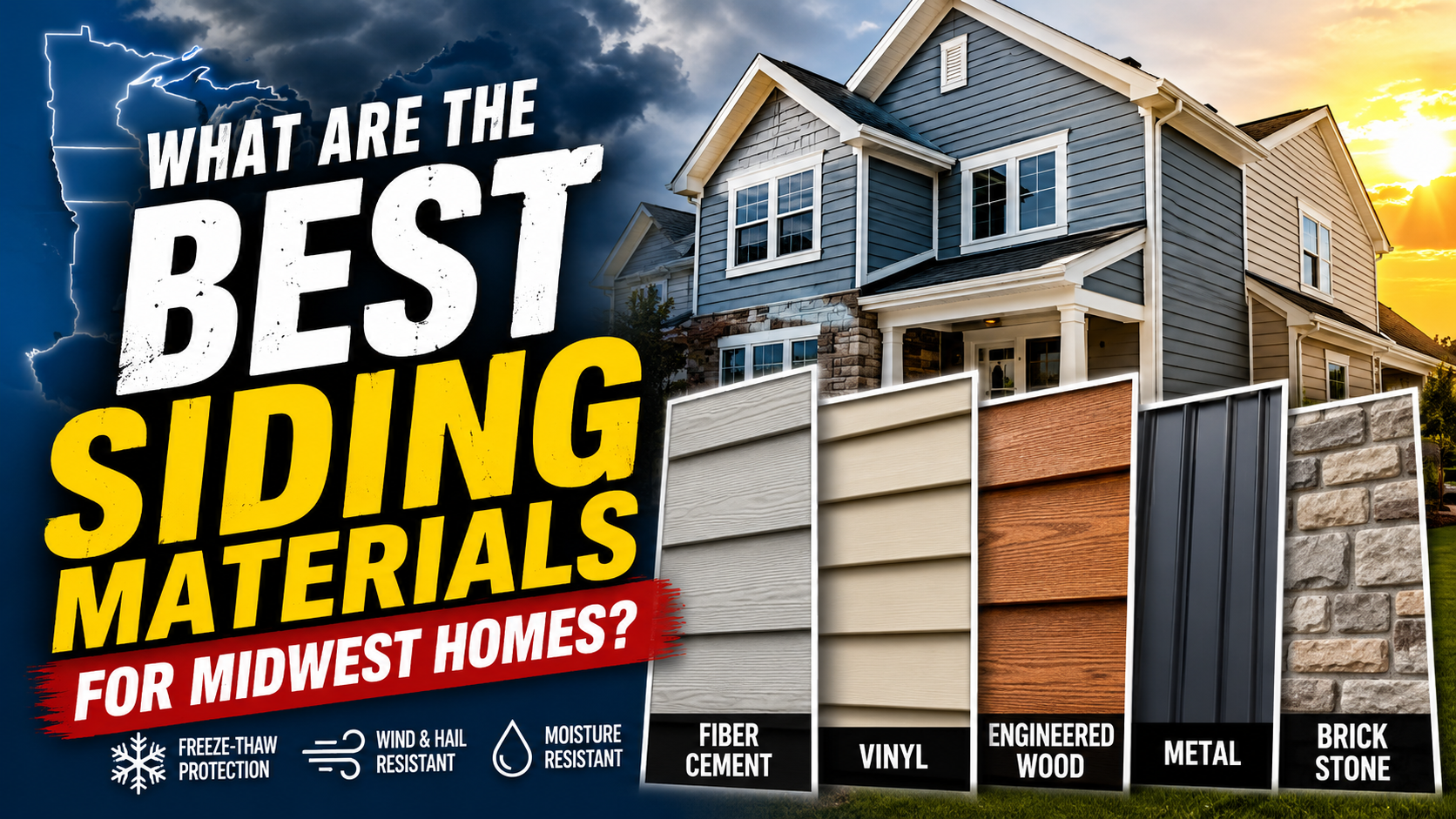
Replacing seriously deteriorated siding can change how the house looks while also addressing an exterior component that helps protect the building.
National Cost vs. Value research has historically shown strong resale performance for several exterior replacement categories, including siding, entry doors, garage doors, and manufactured stone veneer.
Those figures should never be treated as guarantees for a particular Illinois property.
Local market conditions still matter.
The broader lesson is more useful.
Buyers notice the exterior.
Poor Curb Appeal Can Lower Perceived Value Before Buyers Walk Inside
You rarely get a second chance at a first showing.
Before buyers see the kitchen, bedrooms, basement, or renovated bathroom, they see the front of the house.
They notice the siding.
The roofline.
The gutters.
The front door.
The driveway.
The landscaping.
The walkway.
The condition of those elements starts shaping expectations before anyone reaches the front door.
Poor curb appeal does not necessarily mean a home needs expensive landscaping or luxury exterior finishes.
Often, the basics matter more.
Clean siding.
Functional gutters.
Safe steps.
A maintained driveway.
Trim that is not rotting.
A front door that looks cared for.
Landscaping that does not appear abandoned.
Curb appeal is ultimately about confidence.
A maintained exterior suggests that someone has been paying attention.
Old or Unsafe Electrical, Plumbing, and HVAC Systems
Old does not automatically mean defective.
A properly maintained older furnace may be less concerning than a newer system that has been neglected.
Condition matters.
Safety matters even more.
Electrical concerns may include unsafe wiring, questionable modifications, frequent breaker problems, inadequate grounding, or other deficiencies requiring professional evaluation.
Plumbing concerns may include recurring leaks, severely corroded pipes, low water pressure, and sewer problems.
Heating and cooling equipment can become a concern when systems are unreliable, poorly maintained, improperly vented, leaking, or no longer functioning correctly.
Documentation helps.
Service records, installation dates, permits, warranties, and receipts give buyers information.
Information reduces uncertainty.
Unpermitted or Poorly Executed Renovations Can Backfire
Renovations are supposed to make a home more valuable.
Sometimes they accomplish the opposite.
A beautifully finished basement can become a concern if nobody can determine whether required permits were obtained.
An additional bedroom can create questions if it does not satisfy applicable requirements.
A removed wall may make the room look fantastic while leaving buyers wondering whether structural support was properly addressed.
Other concerns can include questionable electrical work, plumbing changes, garage conversions, additions, attic conversions, and poorly waterproofed bathrooms.
The issue is not simply paperwork.
Buyers may wonder what else was done incorrectly.
Permits, plans, invoices, inspection records, and contractor documentation can help answer those questions.
Bad Remodeling Decisions Can Reduce Functionality
More expensive does not automatically mean more valuable.
A renovation can look beautiful while making the house less useful.
Removing a bedroom to create an enormous primary suite may work perfectly for the current owner but reduce appeal for buyers who need that bedroom.
Eliminating storage can make rooms feel cleaner while making everyday living more difficult.
Converting a garage can add interior space while eliminating parking that buyers in the neighborhood expect.
The strongest renovations usually improve the home without making it useful to fewer people.
When resale matters, functionality deserves a seat at the design table.
Highly Personalized Renovations Can Shrink the Buyer Pool
Your home should feel like your home.
There is nothing wrong with renovating around personal taste.
The financial mistake is assuming every dollar spent on personal preference will return as resale value.
Highly unusual finishes, themed rooms, specialized hobby spaces, permanent custom features, and luxury materials far beyond neighborhood expectations may be expensive without appealing to enough buyers to justify the cost.
A renovation can provide enormous personal enjoyment and still produce modest resale value.
Those are two different measurements.
Homeowners should know which one they are optimizing.
Poor Energy Performance Can Make a Home Less Attractive
The purchase price is only one cost of owning a house.
Buyers also think about what happens every month afterward.
Drafty windows, inadequate insulation, inefficient heating and cooling equipment, poor attic ventilation, and unusually high utility bills can make a property appear more expensive to operate.
This is another area where exterior condition can matter.
Roofing, siding, windows, doors, insulation, ventilation, and air sealing can all influence how the building performs.
Documentation can make improvements easier for buyers to appreciate.
Keep utility information, warranties, installation records, equipment specifications, and relevant permits when available.
Health and Safety Hazards Can Create Serious Obstacles
Some property problems go beyond appearance and convenience.
Health and safety concerns deserve appropriate professional attention.
Potential issues can include radon, lead hazards, damaged asbestos containing materials, exposed wiring, unsafe stairs, carbon monoxide concerns, gas leaks, significant mold, and environmental contamination.
The appropriate response is not to disguise the evidence before a showing.
It is to understand the problem.
Testing or professional inspection may be appropriate.
Qualified repairs may be necessary.
Documentation should be retained.
Applicable disclosure requirements should be followed.
A known problem with a documented solution is often easier for everyone to understand than a suspicious condition nobody can explain.
Location Can Devalue a Home and You Cannot Renovate Your Way Out of It
Some factors affecting value are outside the homeowner’s control.
Heavy traffic may matter.
Persistent noise may matter.
Flood risk may matter.
Nearby industrial activity, limited parking, changing neighborhood conditions, environmental concerns, transportation access, and local buyer demand can all influence marketability.
This creates a frustrating truth.
You can install a beautiful roof.
You can replace the siding.
You can renovate the kitchen.
You cannot move the lot.
That makes it even more important to manage the factors you can control.
If a property already faces a location disadvantage, allowing preventable maintenance problems to accumulate gives buyers another reason to hesitate.
Legal and Title Problems Can Reduce Marketability
A home can be physically beautiful and still be difficult to sell.
Unresolved liens, boundary disputes, encroachments, easements, code violations, tax problems, nonconforming additions, unclear access rights, and ownership disputes involving installed equipment can complicate a transaction.
These issues may not physically damage the house.
They can still reduce marketability by creating uncertainty.
Homeowners facing legal or title questions should seek assistance from an appropriate real estate attorney, title professional, local authority, or other qualified specialist.
What Does Not Devalue a Home as Much as People Think?
Now for some perspective.
Not everything needs to become a renovation project.
Older but functional cabinets may look dated.
A bathroom may belong stylistically to another era.
Neutral paint might need refreshing.
Carpet may show ordinary wear.
Landscaping may need trimming.
None of those things necessarily compares with an active roof leak, structural concern, unsafe electrical problem, or significant moisture issue.
Cosmetic problems are visible and understandable.
Buyers can look at an outdated wall color and know exactly what needs to happen.
Paint it.
Major defects are different.
They create questions.
And questions can become expensive.
What Should You Fix First Before Selling Your Home?
If the repair list is long, prioritize by consequence.
Start with safety and structural integrity.
Address significant foundation concerns, dangerous electrical conditions, gas problems, major plumbing issues, and serious structural defects.
Next comes water.
Fix active leaks, drainage problems, roof vulnerabilities, flashing failures, gutter issues, basement seepage, and moisture sources.
Then look at major systems and exterior protection.
Evaluate roofing, siding, heating, cooling, plumbing, and electrical systems based on condition and urgency.
Legal and documentation problems should also be addressed before they surprise everyone halfway through a transaction.
Only then should cosmetic improvements become the main event.
The rule is simple.
Do not spend heavily making a house prettier while something important is actively deteriorating.
Why Illinois Homeowners Should Pay Particular Attention to the Exterior
Illinois gives home exteriors plenty to deal with.
Rain.
Snow.
Wind.
Freezing temperatures.
Summer heat.
Storms.
Large seasonal temperature changes.
Your roof and siding stand between those conditions and much of the house you are trying to protect.
Gutters help manage water leaving the roof.
Flashing helps protect vulnerable transitions.
Exterior trim, doors, and windows complete other parts of that protective shell.
When one component begins deteriorating, the consequences may eventually spread.
That is why exterior maintenance should be viewed as more than curb appeal.
It is part of protecting the building.
How Sunrise Exterior Can Help Protect Your Illinois Home
Home improvement decisions are easier when homeowners understand which problems deserve attention first.
For Illinois homeowners concerned about roofing, siding, gutters, or other exterior deterioration, Sunrise Exterior can help evaluate the condition of the exterior and identify areas that may need attention.
That does not mean every aging component automatically needs replacement.
The objective should be understanding what is happening and addressing problems according to their seriousness.
A well maintained exterior can improve appearance.
More importantly, it helps protect what sits behind it.
That makes exterior maintenance part of a much larger strategy for protecting the condition, marketability, and long term value of a home.
The Most Expensive Home Problems Are Usually the Ones You Ignore
So, what devalues a home the most?
Usually, it is not the ugly paint.
It is the expensive uncertainty.
Serious deferred maintenance, water intrusion, structural concerns, failing roofing, exterior deterioration, unsafe systems, unpermitted work, and legal complications can create much larger problems than ordinary cosmetic flaws.
The smartest approach is to protect the fundamentals first.
Keep the house safe.
Keep water out.
Maintain the roof and exterior.
Address major systems.
Resolve legal concerns.
Then worry about making everything prettier.
For Illinois homeowners, Sunrise Exterior can help with one of the most important pieces of that equation by helping keep the exterior of the home ready to do what it was built to do.
Protect everything inside it.
Recent Posts