What are the best siding materials for homes?
What are the best siding materials for homes?
Why Siding Matters More Than Most Homeowners Realize
Most homeowners think about siding only when something goes wrong.
A crack appears after a storm. Paint starts peeling. Moisture sneaks into the walls. Suddenly the exterior of the house becomes impossible to ignore.
But siding does far more than cover a home.
It shapes curb appeal before anyone steps through the front door. It protects the structure from rain, wind, moisture, heat, and freezing temperatures. It influences maintenance costs, energy efficiency, and even how long the exterior of the home continues looking updated and well cared for.
In other words, siding is not just cosmetic. It is part of the home’s long term performance.
That is why choosing the right material matters so much. The best siding is not simply the most expensive option or the trendiest one online. It is the material that fits the homeowner’s budget, climate, maintenance expectations, and design goals all at the same time.
For homeowners in Illinois, those decisions become even more important because exterior materials need to handle everything from humid summers to snow, storms, and constant freeze thaw cycles throughout the year.
The Short Answer: There Is No Single Best Siding for Every Home
There is no universal best siding material for every house.
The right choice depends on what matters most to the homeowner.
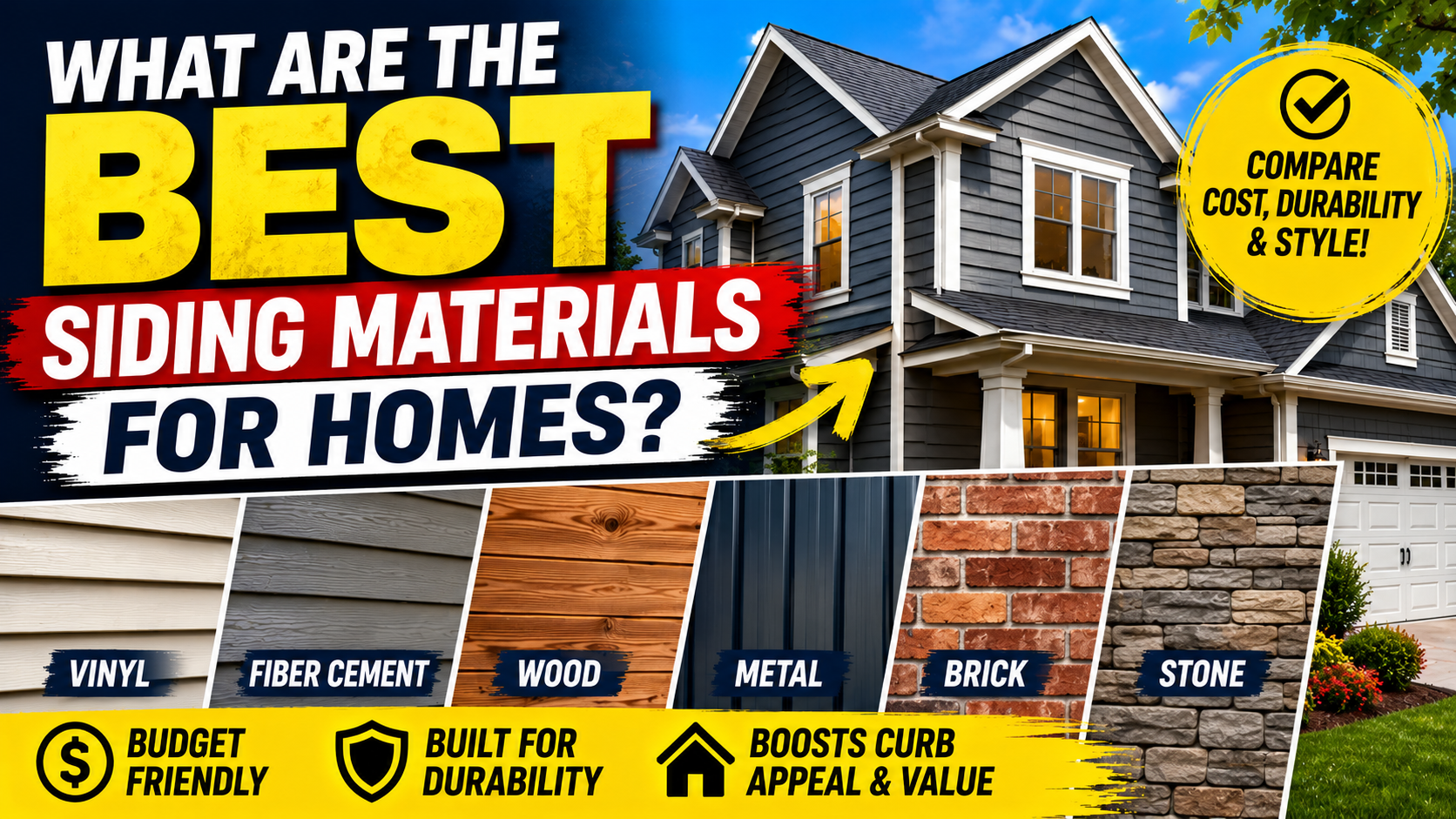
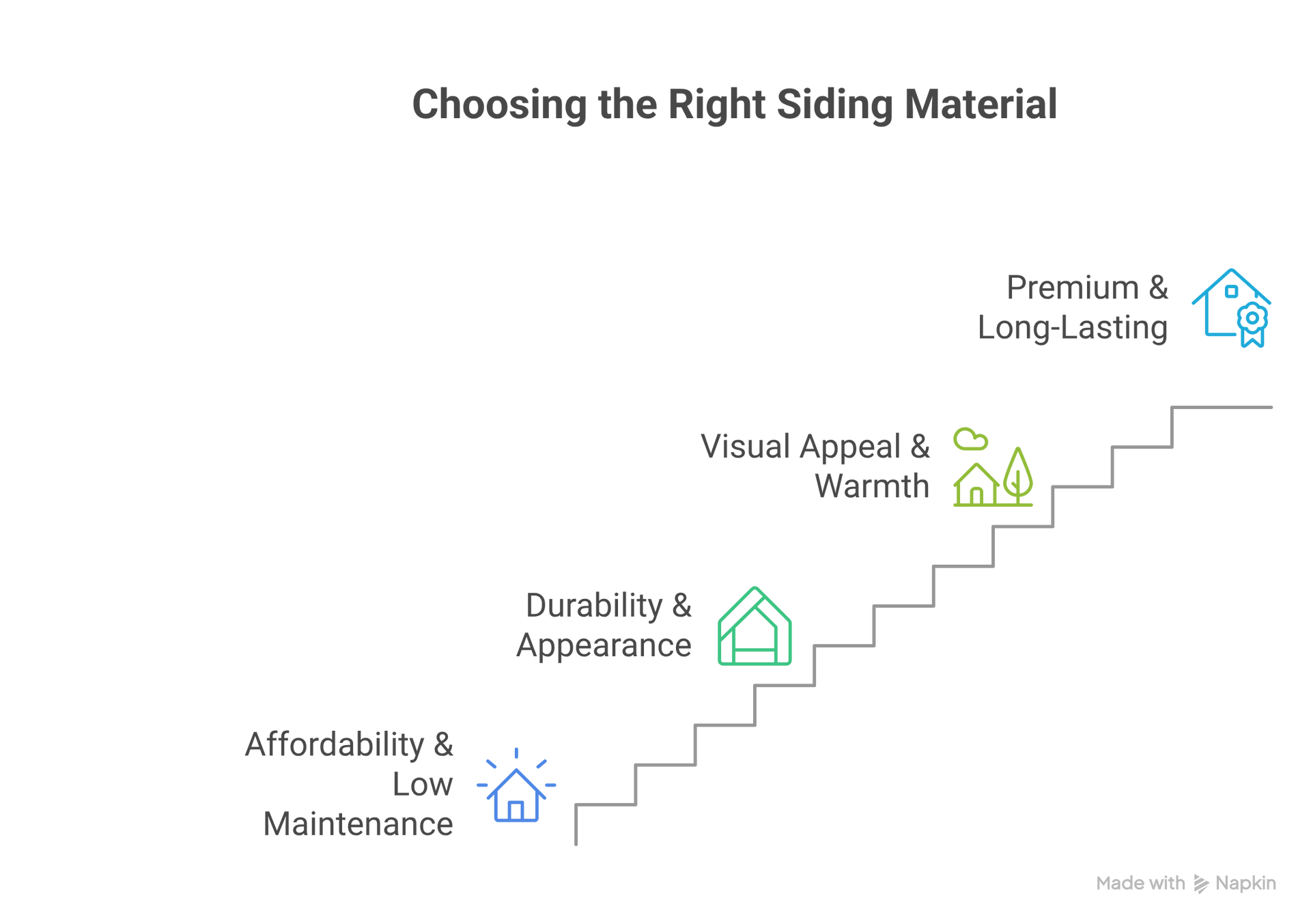
If affordability and low maintenance are the priority, vinyl siding is usually the strongest option. It is widely available, relatively inexpensive, and does not require painting, which makes it appealing for homeowners who want simplicity and lower upkeep.
If the goal is balancing durability, appearance, and long term performance, fiber cement is often considered the best all around choice. It handles moisture and harsh weather well while offering a more premium appearance that can mimic natural wood.
Wood siding remains one of the most visually striking materials available. It creates a warm, timeless appearance that works especially well on traditional homes, cottages, and farmhouse designs. The tradeoff is maintenance.
Wood requires more long term care and attention than lower maintenance alternatives.
Brick and stone sit at the premium end of the market. They offer exceptional lifespan and curb appeal but come with significantly higher installation costs.
The important thing is understanding that siding should match both the home and the homeowner’s lifestyle. A material that works perfectly for one house may be completely wrong for another.
That is one reason experienced exterior companies like Sunrise Exterior often guide homeowners through material comparisons instead of pushing a single option. Climate, architecture, maintenance expectations, and long term goals all matter when making a decision that will shape the home for decades.
What Homeowners Should Consider Before Choosing Siding
Choosing siding is really about balancing priorities.
A material that looks incredible on one house may become a frustrating decision for another homeowner depending on budget, climate, and maintenance expectations. That is why siding should never be chosen based on appearance alone.
Budget is usually the first factor people think about, and understandably so. Some materials are far more affordable upfront while others require a larger investment but may last longer or increase curb appeal more significantly over time.
Climate matters just as much. Homes in Illinois deal with heavy rain, humidity, snow, freezing temperatures, and strong seasonal temperature swings. Exterior materials need to hold up under constant expansion, contraction, moisture exposure, and harsh weather conditions throughout the year.
Maintenance expectations are another major factor people often underestimate. Some homeowners are comfortable repainting, staining, or performing routine upkeep. Others want a material they can install and mostly leave alone for years.
Then there is architectural style. Modern homes often pair better with clean lines and sleek materials, while traditional homes may look better with textured or natural finishes. The best siding choice usually feels like it belongs on the house rather than competing with it.
Long term value also deserves attention. Lower maintenance materials may save money and time over the years while premium materials can improve curb appeal and perceived resale value.
The smartest siding decisions happen when homeowners stop asking which material is best overall and start asking which material best fits the way they actually live.
Vinyl Siding: The Most Popular Budget Friendly Option
There is a reason vinyl siding remains one of the most common choices for homes across the country. It solves a lot of problems for homeowners who want affordability and simplicity.
Vinyl siding is usually the lowest cost major siding option, which immediately makes it attractive for many families.
It is also low maintenance compared to materials that require regular painting, sealing, or staining. Once installed, homeowners can often go years with relatively minimal upkeep beyond occasional cleaning.
Another advantage is variety. Vinyl comes in a wide range of colors and styles, allowing homeowners to update the appearance of the house without stretching the budget too aggressively.
For many homes, especially traditional suburban properties, vinyl provides a practical balance between appearance and affordability.
That said, vinyl does come with tradeoffs.
While modern vinyl has improved significantly over the years, it generally does not offer the same premium feel or long term durability as higher end materials like fiber cement, brick, or stone. Harsh weather can sometimes cause cracking or warping over time, particularly with lower quality products or poor installation.
This is why installation quality matters so much. Even budget friendly siding performs better when installed correctly by experienced exterior professionals like Sunrise Exterior who understand how Midwest weather affects exterior materials over time.
For homeowners prioritizing low maintenance and lower upfront cost, vinyl remains one of the strongest overall value options available.
Fiber Cement Siding: Why Many Experts Consider It the Best Overall Choice
If vinyl is the practical budget option, fiber cement is often viewed as the balanced long term investment.
Many homeowners and contractors consider fiber cement the strongest overall siding choice because it performs well across nearly every category that matters. It is durable, resistant to moisture and rot, capable of handling harsh weather, and versatile enough to fit both modern and traditional homes.
One of its biggest advantages is appearance. Fiber cement can mimic the texture and style of natural wood while requiring far less upkeep over time. That combination gives homeowners a more premium look without taking on the same level of maintenance wood siding usually demands.
Durability is another major reason fiber cement continues gaining popularity, especially in climates like Illinois where homes face heavy storms, humidity, snow, and repeated freeze thaw cycles throughout the year. Exterior materials need to survive more than just sunny days. They need to handle years of weather stress without breaking down prematurely.
That resilience is part of why experienced companies like Sunrise Exterior often recommend durable exterior systems that can stand up to Midwest conditions while still maintaining strong curb appeal.
The tradeoff with fiber cement is cost. It is typically more expensive than vinyl both in material pricing and installation. But for many homeowners, the combination of longevity, appearance, and lower maintenance makes the investment worthwhile over the long term.
Wood Siding: The Timeless Premium Look
Few materials match the visual warmth of real wood siding.
There is a reason wood continues appearing on high end homes, cottages, farmhouses, and traditional architecture even as newer materials become more popular. It creates a natural texture and depth that many homeowners still consider unmatched from a design standpoint.
Wood siding gives homes character. It feels classic, authentic, and visually rich in a way manufactured materials often struggle to replicate completely.
For homeowners focused heavily on aesthetics and architectural charm, wood remains one of the most desirable exterior materials available.
The challenge is maintenance.
Unlike vinyl or fiber cement, wood requires ongoing care to continue looking its best. Depending on the finish and climate exposure, homeowners may need to repaint, reseal, or restain the siding periodically to protect it from moisture, insects, and weather related wear.
That upkeep adds both time and long term cost.
Illinois weather can also be demanding on natural wood because of humidity, rain, snow, and seasonal temperature swings. Without proper installation and maintenance, moisture issues can eventually become a concern.
This does not make wood a bad option. It simply makes it a better fit for homeowners who value the aesthetic enough to commit to the extra care that comes with it.
The Best Siding Depends on What You Value Most
The best siding material is not the one with the highest price tag or the trendiest appearance. It is the material that best fits the home, the climate, and the lifestyle of the homeowner living inside it.
Some people prioritize affordability and low maintenance, making vinyl an obvious fit. Others want the durability and balanced performance of fiber cement. Some homeowners are willing to invest more time and upkeep in exchange for the timeless look of real wood.
Every material comes with tradeoffs. The key is understanding them before making a decision that will shape the home for decades.
That is why working with experienced exterior professionals matters. Companies like Sunrise Exterior help homeowners evaluate siding choices based not just on appearance, but on long term performance in real Illinois weather conditions.
Because great siding is not just about how a home looks today. It is about how well that home continues performing years from now.
Recent Posts