What Should Not Be Used on Vinyl Siding?
What Should Not Be Used on Vinyl Siding?
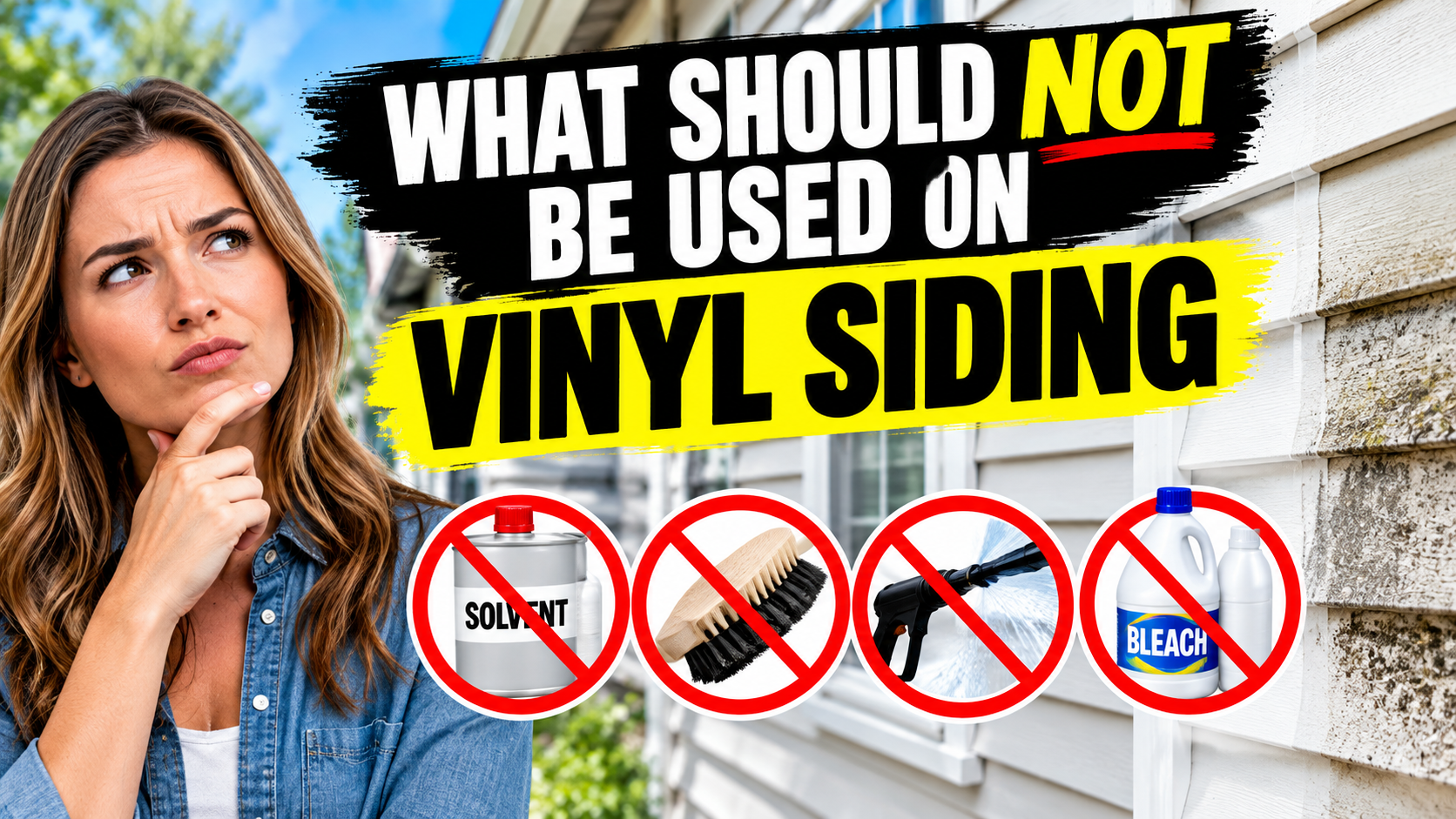
Vinyl siding is durable and relatively easy to maintain, but using the wrong cleaning products can cause permanent damage. Strong solvents, abrasive cleaners, stiff brushes, harsh chemical mixtures, and excessive pressure washing should generally be avoided.
These products and methods can cause discoloration, scratches, warping, or even force water behind the siding, potentially damaging the underlying wall.
For Illinois homeowners, proper siding maintenance is especially important because of changing weather conditions. Sunrise Exterior can help identify siding damage and determine when repairs or replacement may be necessary.
Why Using the Wrong Products on Vinyl Siding Can Cause Damage
Vinyl siding is designed to withstand outdoor weather, but its surface can still be damaged by aggressive cleaning methods.
Harsh chemicals may affect the finish, while abrasive tools can create scratches or uneven glossy patches. Excessive water pressure can also loosen panels or push moisture behind the siding.
Damage is not always immediately noticeable. Over time, improper cleaning can leave permanent marks or contribute to moisture problems.
Following manufacturer recommendations and using gentle cleaning methods can help preserve the appearance and performance of vinyl siding.
Strong Solvents and Chemical Paint Removers
Strong solvents and aggressive chemical removers should generally be avoided when cleaning vinyl siding. Products such as paint strippers, heavy duty degreasers, and certain adhesive removers can damage the surface or cause discoloration.
Even if a cleaner works well on concrete, metal, or other materials, that does not mean it is safe for vinyl siding.
For stubborn stains, homeowners should choose a cleaner specifically approved by their siding manufacturer and test it on a small, hidden area before applying it more widely.
Abrasive Cleaners and Scouring Powders
Abrasive cleaners and scouring powders can permanently change the appearance of vinyl siding.
These products may remove dirt, but they can also scratch the surface, alter its original gloss, or leave uneven patches that become especially noticeable in sunlight.
Instead, use mild soap, water, and a soft cloth or brush for routine cleaning.
If a stain cannot be removed with gentle cleaning, consider a manufacturer approved specialty cleaner rather than scrubbing harder.
Stiff Brushes and Aggressive Scrubbing Tools
Stiff brushes, steel wool, and abrasive pads can scratch vinyl siding or change its surface finish.
Use a soft cloth or soft bristle brush to remove dirt without damaging the panels.
Excessively Concentrated Cleaning Solutions
Using more cleaner than recommended can damage siding and accessories.
Always follow the product's dilution instructions and test the solution on a small, hidden area first.
High Pressure Washing Without Manufacturer Approval
Excessive pressure washing can damage siding or force water behind the panels.
Some manufacturers permit pressure washing under specific conditions, while others discourage it. Always check the manufacturer's instructions.
Spraying Water Upward Behind Vinyl Siding
Spraying water upward can push moisture behind overlapping panels.
Avoid directing water into siding seams, windows, doors, soffits, and ventilation openings.
Bleach Mixed With Other Household Cleaners
Never mix bleach with vinegar, ammonia, or other household cleaners.
These combinations can release dangerous gases that may cause serious breathing problems.
Can You Use Bleach on Vinyl Siding?
Some siding manufacturers allow properly diluted bleach solutions for specific cleaning purposes.
However, bleach should only be used when permitted by the manufacturer and according to the product instructions.
Can Vinegar Damage Vinyl Siding?
Vinegar is commonly used for household cleaning, but it should not automatically be considered suitable for every vinyl siding product.
Check manufacturer recommendations before using it, and never combine vinegar with bleach.
Can You Use Dish Soap on Vinyl Siding?
Mild dish soap mixed with water may be suitable for routine cleaning when permitted by the siding manufacturer.
Avoid highly concentrated solutions and rinse the surface thoroughly afterward.
Can You Use Household Multipurpose Cleaners on Vinyl Siding?
Not every household cleaner is appropriate for vinyl siding.
Products containing strong chemicals or abrasive ingredients may damage the finish. Choose a cleaner approved for the material.
Can You Use a Magic Eraser on Vinyl Siding?
Magic Erasers use a mildly abrasive material that can alter the surface gloss of vinyl siding.
A soft cloth and mild cleaning solution are generally safer starting options.
Can You Use a Wire Brush or Steel Wool on Vinyl Siding?
Wire brushes and steel wool should not be used on vinyl siding.
Their abrasive surfaces can leave permanent scratches and visible marks.
Can You Use a Pressure Washer on Vinyl Siding?
Pressure washing may be acceptable for certain vinyl siding products when the manufacturer specifically permits it.
Follow the recommended pressure, spray angle, and nozzle instructions. When approval is unclear, use a garden hose instead.
What Paint Should Not Be Used on Vinyl Siding?
Avoid incompatible exterior paints and unapproved dark colors.
Certain colors absorb more heat and may cause vinyl panels to warp. Always use a compatible coating and an approved color.
What Happens If You Use the Wrong Cleaner on Vinyl Siding?
Improper cleaning can cause discoloration, scratches, uneven gloss, or permanent surface damage.
Excessive washing pressure may also allow moisture to enter behind the siding.
What Is the Safest Cleaner for Vinyl Siding?
Mild soap and water are commonly recommended for routine vinyl siding cleaning.
For tougher stains, choose a manufacturer approved cleaning product rather than automatically using stronger chemicals.
What Tools Should You Use to Clean Vinyl Siding?
Soft cloths, soft bristle brushes, and garden hoses are generally appropriate for routine cleaning.
These tools help remove dirt without unnecessarily damaging the siding's finish.
How to Clean Vinyl Siding Without Damaging It
Start by checking the manufacturer's cleaning instructions.
Rinse loose dirt with water, apply a mild cleaning solution, and gently scrub with a soft brush.
Finish by rinsing thoroughly while avoiding direct spray into openings and siding seams.
How Do You Remove Mold and Mildew From Vinyl Siding Safely?
Use a cleaning product approved for your siding and suitable for the type of growth present.
Avoid improvised chemical mixtures, and investigate moisture problems if mold or mildew repeatedly returns.
How Do You Remove Tough Stains From Vinyl Siding?
Grease, rust, paint, and adhesive stains may require different cleaning products.
Use specialty cleaners only when approved for the siding material, and test them on a hidden area first.
How Often Should You Clean Vinyl Siding?
Cleaning vinyl siding approximately once a year is a reasonable starting point for many homes.
Properties surrounded by trees or exposed to heavy dirt and moisture may require more frequent attention.
How Illinois Weather Affects Vinyl Siding Maintenance
Illinois homes experience freezing winters, heavy rain, humid summers, and changing temperatures.
Regular cleaning and inspections can help homeowners identify buildup, loose panels, and moisture problems before they become more serious.
Signs Your Vinyl Siding Has Been Damaged by Improper Cleaning
Common signs include discoloration, scratches, uneven gloss, warping, and loose panels.
Water stains or moisture problems may also indicate that washing methods have allowed water behind the siding.
Can Damaged Vinyl Siding Be Repaired, or Does It Need Replacement?
Minor damage affecting a few panels can often be addressed through targeted replacement.
However, widespread warping, deterioration, or moisture damage may require more extensive siding repairs or replacement.
Common Mistakes Homeowners Make When Cleaning Vinyl Siding
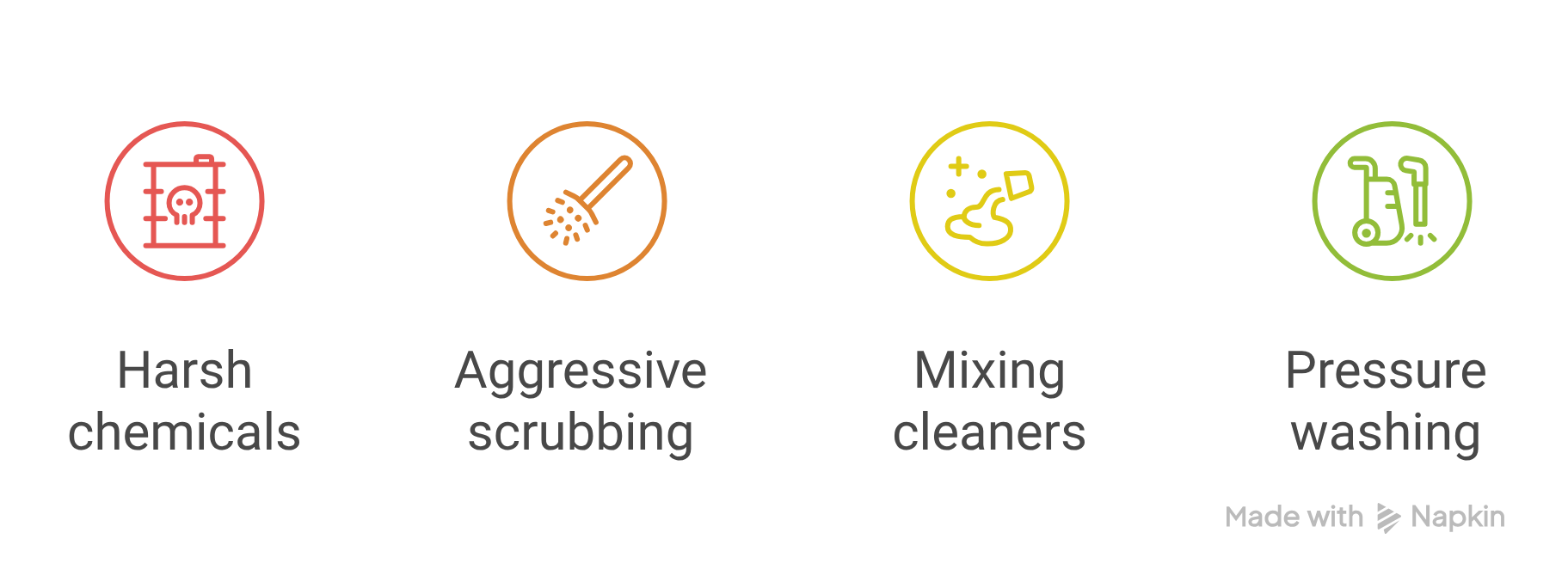
Common mistakes include using harsh chemicals, scrubbing aggressively, mixing cleaners, and pressure washing without manufacturer approval.
Ignoring existing cracks or moisture damage can also allow problems to worsen.
How Sunrise Exterior Can Help Illinois Homeowners Protect Their Vinyl Siding
Sunrise Exterior helps Illinois homeowners evaluate siding damage, deterioration, and potential moisture concerns.
When cleaning cannot restore damaged panels, a professional assessment can help determine whether targeted repairs or siding replacement would provide better protection.
What Should Not Be Used on Vinyl Siding?
Avoid strong solvents, abrasive cleaners, stiff brushes, dangerous chemical mixtures, and excessive washing pressure.
Gentle cleaning and manufacturer approved products can help protect your siding. If damage is already present, Sunrise Exterior can help Illinois homeowners determine whether repairs or replacement are necessary.
Recent Posts