Is Rotting Siding Covered by Insurance?
Is Rotting Siding Covered by Insurance?
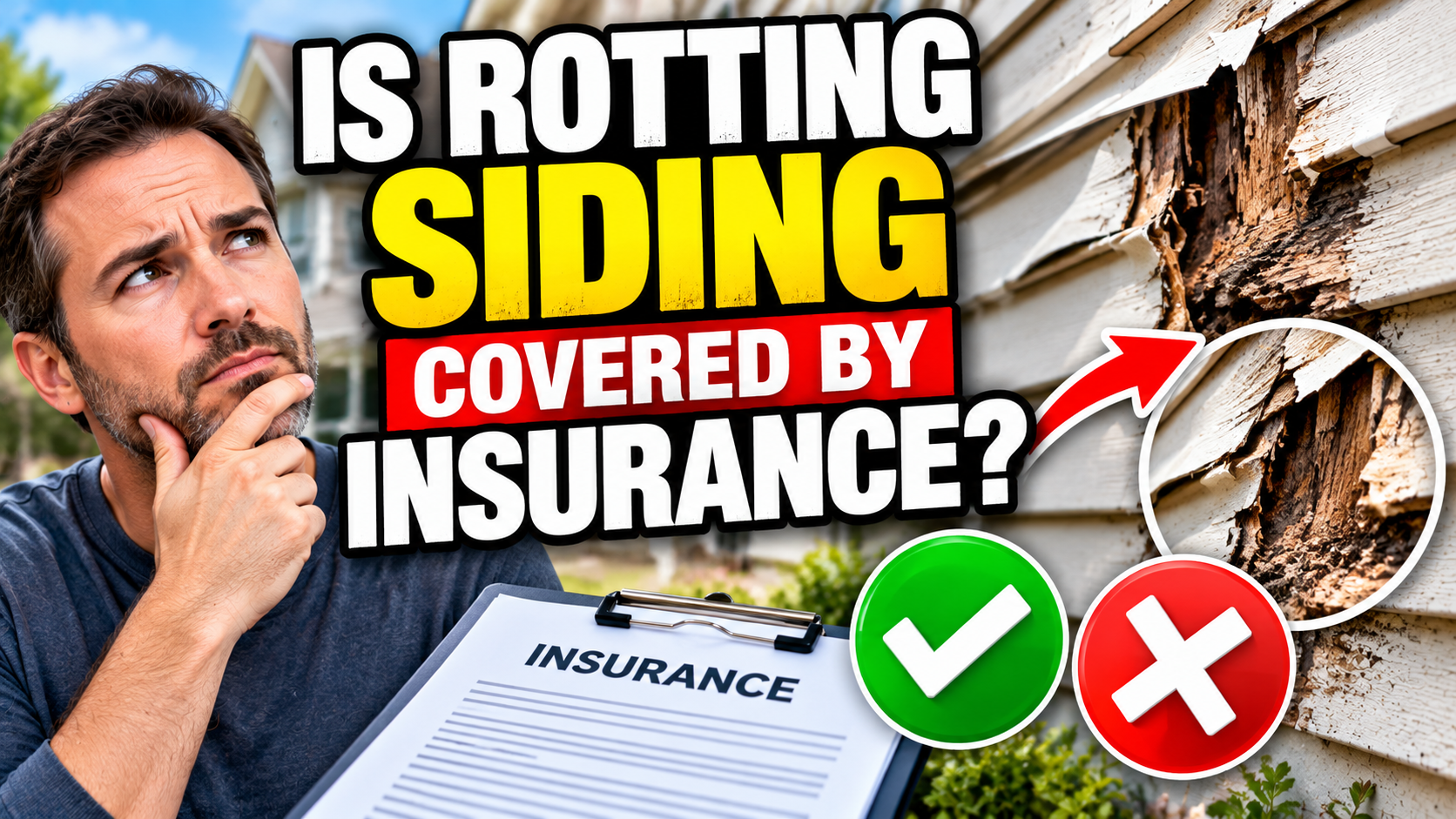
Discovering rotting siding on your home can be frustrating, especially when you realize how expensive repairs might become. One of the first questions homeowners ask is whether their homeowners insurance will cover the damage.
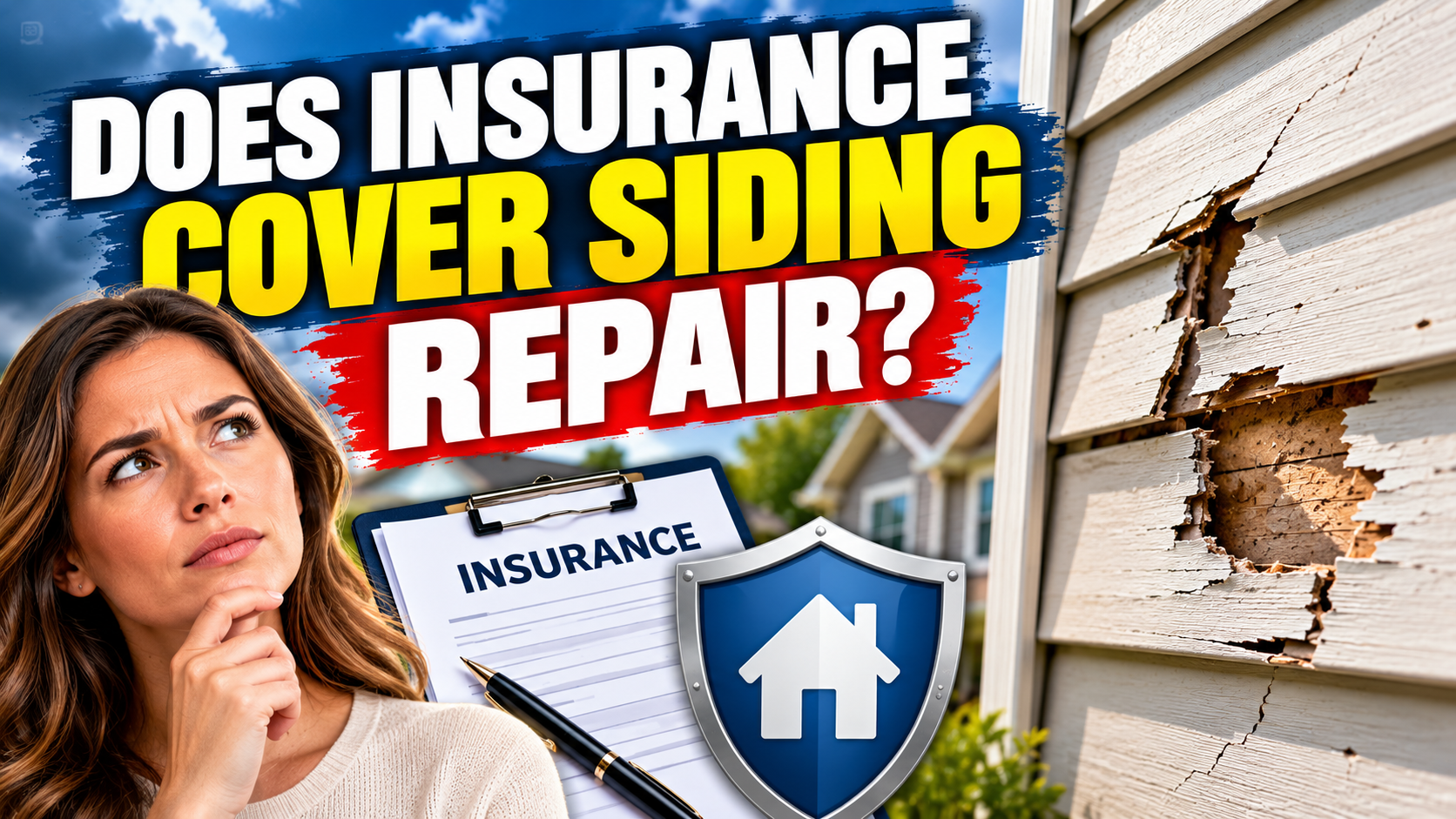
Unfortunately, homeowners insurance generally does not cover rotting siding caused by prolonged moisture exposure, aging, or neglected maintenance. However, certain situations involving sudden accidental damage or specific insurance endorsements may qualify for coverage.
For Illinois homeowners dealing with deteriorating siding, understanding what caused the damage is essential. Sunrise Exterior helps homeowners evaluate siding problems and explore repair or replacement solutions that protect their homes from further deterioration.
Why Homeowners Insurance Usually Does Not Cover Rotting Siding
Homeowners insurance is primarily designed to protect against unexpected events, such as storms, fires, and certain accidental water losses. It generally does not pay for damage that develops gradually through ordinary wear, aging, or poor maintenance.
Rotting siding typically results from moisture entering the material over an extended period. Leaking gutters, damaged flashing, poor drainage, and unresolved water intrusion can slowly weaken siding until visible deterioration appears.
Insurance companies usually consider these conditions maintenance issues rather than sudden accidents. Even if the homeowner only recently discovered the rot, that does not necessarily mean the damage qualifies for coverage.
The important distinction is what caused the damage, not simply when it was discovered. Reviewing the policy and identifying the moisture source can help homeowners understand whether any portion of the repairs might be covered.
What Causes Siding to Rot?
Siding rot typically develops when moisture repeatedly enters or remains trapped in exterior materials. Wood siding is particularly vulnerable, but moisture can also damage the sheathing and framing behind other siding materials.
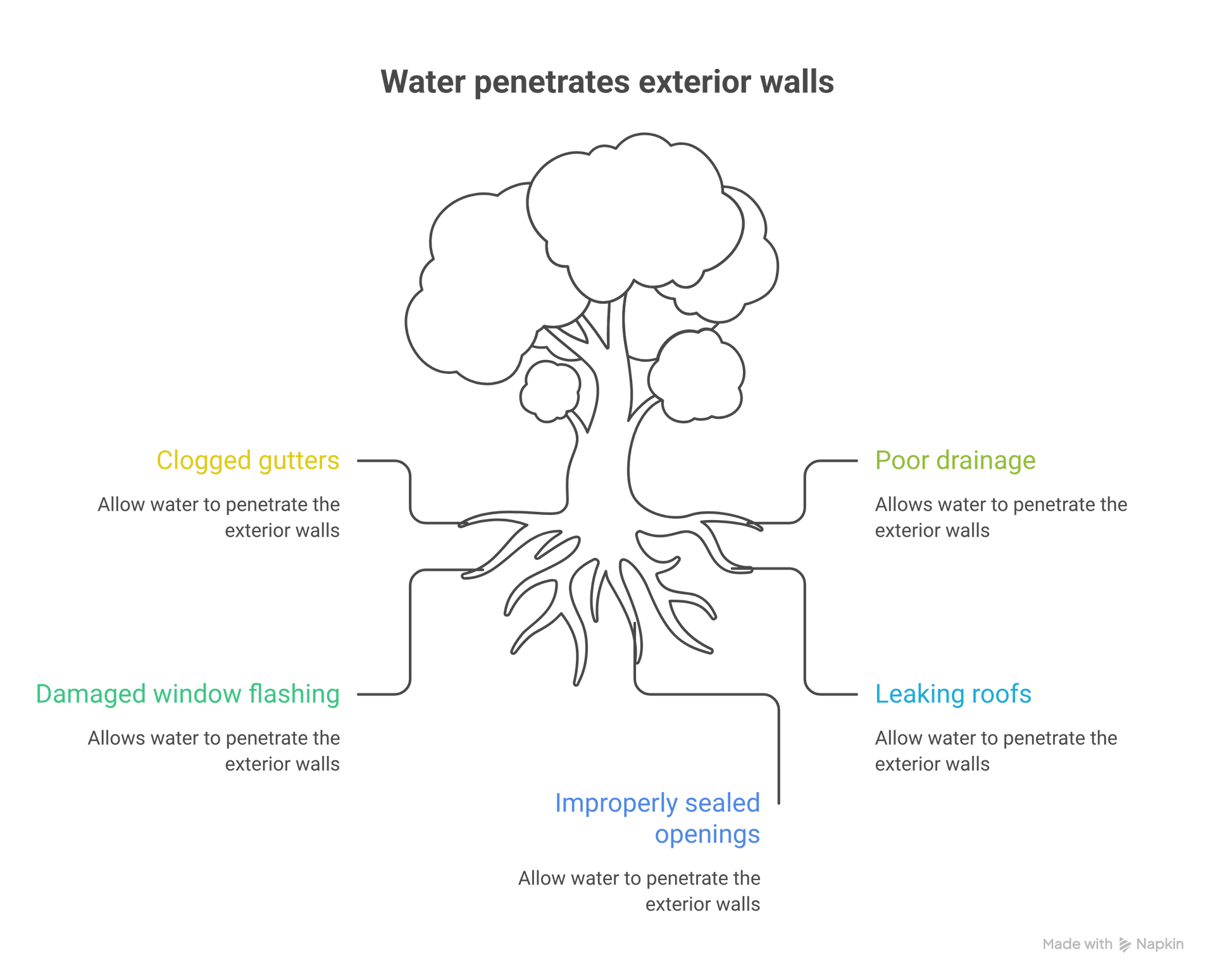
Common causes include clogged gutters, poor drainage, damaged window flashing, leaking roofs, and improperly sealed openings. Over time, these problems allow water to penetrate the exterior walls, gradually weakening the materials.
Illinois homeowners face additional challenges from heavy rainfall, humid summers, and freezing winter temperatures. When moisture problems go unnoticed, relatively minor damage can develop into extensive deterioration.
Identifying and correcting the source of moisture is essential before repairing or replacing rotting siding. Otherwise, the same problem may return even after new materials are installed.
When Can Rotting Siding Be Covered by Homeowners Insurance?
Although rotting siding is generally excluded from standard homeowners insurance, certain circumstances may qualify for coverage depending on the cause of damage and the specific policy.
For example, a severe windstorm might tear siding from a home and expose previously hidden rot. The insurer may cover the new storm damage while excluding the existing deterioration.
Coverage may also be possible when damage is associated with a sudden accidental water loss or when the homeowner has purchased additional coverage for certain concealed water leaks. However, these situations require careful review because policies often contain specific exclusions for rot and gradual moisture damage.
The key is determining which damage resulted from a covered event and which developed over time. A professional siding assessment can help document the affected materials, while the insurance company determines what the policy covers.
Does Homeowners Insurance Cover Siding Rot Caused by Water Damage?
Insurance may cover certain sudden and accidental water losses, such as damage from a burst pipe. However, rot caused by gradual leaks or prolonged moisture exposure is generally excluded.
Even when the original water damage is covered, associated rot must be evaluated under the specific policy provisions.
Is Rotting Siding Covered if It Was Caused by a Storm?
Wind, hail, and other covered storms can cause damage that qualifies for homeowners insurance.
However, if a storm reveals siding that was already rotting, the insurer may cover the new storm damage while excluding the existing deterioration.
Does Insurance Cover Siding Rot From a Leaking Roof?
Coverage depends on why the roof was leaking.
If a covered storm damages the roof and causes additional water damage, some repairs may qualify. Rot caused by years of roof deterioration or unresolved leaks is generally excluded.
Does Insurance Cover Rotting Siding Around Windows and Doors?
Rot around windows and doors often develops when damaged flashing, failed seals, or installation problems allow water into the wall.
Because this damage usually occurs gradually, homeowners insurance generally does not cover the resulting deterioration.
Is Hidden Rot Behind Siding Covered by Insurance?
Discovering hidden rot does not automatically make the damage eligible for insurance coverage.
Even when homeowners could not reasonably see the problem, the insurer will consider the cause of the damage and any applicable policy exclusions or endorsements.
What Is Hidden Water Damage Coverage?
Hidden water damage coverage is an optional endorsement offered by some insurance companies.
It may provide protection for certain concealed plumbing or appliance leaks, but coverage varies by insurer. Exterior water intrusion and existing rot may still be excluded.
Does Homeowners Insurance Cover Rotted Wood Siding?
Wood siding can rot after repeated exposure to moisture, particularly when paint, caulking, or flashing deteriorates.
Insurance generally excludes gradual wood decay, although separate damage caused by a covered event may qualify.
Does Insurance Cover Rotting Sheathing Behind Siding?
Sheathing can deteriorate when water enters behind siding panels and remains trapped.
Whether insurance covers the damage depends on its cause, the policy terms, and whether the affected materials were damaged by a covered event.
Does Insurance Cover Rotted Framing or Structural Damage?
Rotting wall studs and framing can create serious structural concerns.
Insurance may cover structural damage resulting from certain covered losses, but deterioration caused by prolonged moisture exposure is generally excluded.
Does Homeowners Insurance Cover Siding Damage From Mold or Fungus?
Mold, fungus, and wood rot often develop in areas affected by persistent moisture.
Many homeowners policies contain exclusions or special limits for these conditions, making it important to review the exact coverage provisions.
Does Insurance Cover Siding Damage Caused by Termites or Pests?
Damage caused by termites and other wood destroying pests is generally excluded from standard homeowners insurance.
These problems are typically considered preventable maintenance concerns rather than sudden accidental losses.
Does Flood Insurance Cover Rotting Siding?
Standard homeowners insurance generally does not cover flood damage.
Separate flood insurance may cover certain direct damage from a qualifying flood, but ordinary rot and gradual deterioration are not automatically covered.
Does Insurance Cover Rotting Siding Discovered During Storm Repairs?
A storm may damage exterior panels and reveal older rot underneath.
The insurer may approve repairs related to the storm while excluding previously deteriorated materials. Detailed documentation can help distinguish the different types of damage.
Will Homeowners Insurance Pay to Replace All the Siding?
Even when a siding claim is approved, insurance does not automatically pay to replace the entire exterior.
Coverage typically depends on the damaged area, policy requirements, and any applicable matching provisions.
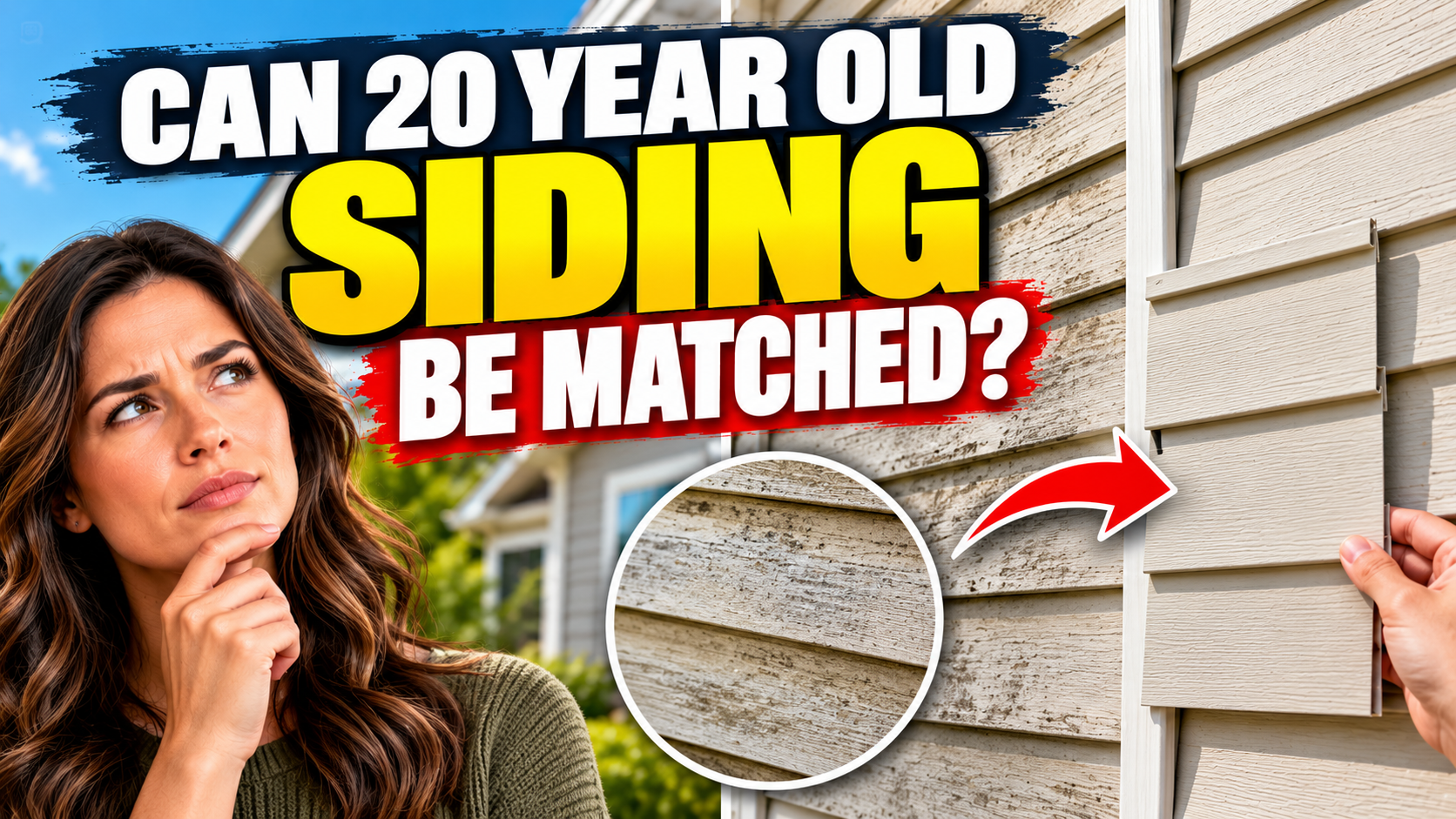
What Happens if the Original Siding Cannot Be Matched?
Older siding may be faded, discontinued, or difficult to match.
Some policies offer additional siding matching coverage, but unavailable materials do not automatically justify replacing an entire home or make excluded rot eligible for coverage.
How Much Does Insurance Pay for Covered Siding Damage?
Insurance payments depend on the approved repair costs, deductible, coverage limits, and loss settlement provisions.
For example, if covered repairs total $6,000 and the deductible is $2,000, the simplified payment would be $4,000 before other applicable adjustments.
What Should You Do When You Discover Rotting Siding?
Start by documenting the damage with photographs and identifying any active moisture problems.
Take reasonable steps to prevent further damage, obtain a professional siding assessment, and review your insurance policy.
If a covered event may be involved, notify your insurer promptly and preserve evidence before extensive permanent repairs.
What Documentation Do You Need for a Rotting Siding Insurance Claim?
Useful documentation includes photographs, inspection reports, repair estimates, maintenance records, and evidence of recent storm or water damage.
Detailed records can help establish what was damaged, when the problem was discovered, and what may have caused it.
How Does the Insurance Claims Process Work for Damaged Siding?
The process generally begins with reporting the loss and providing supporting documentation.
An insurance adjuster evaluates the damage and policy coverage, while a qualified contractor can assess the repairs needed to restore the affected exterior materials.
What if Your Homeowners Insurance Denies a Rotting Siding Claim?
Ask the insurance company for a written explanation identifying the reasons for denial and the applicable policy language.
If you disagree, you can provide additional evidence, request another inspection, or contact the Illinois Department of Insurance for assistance.
Should You Repair or Replace Rotting Siding if Insurance Will Not Cover It?
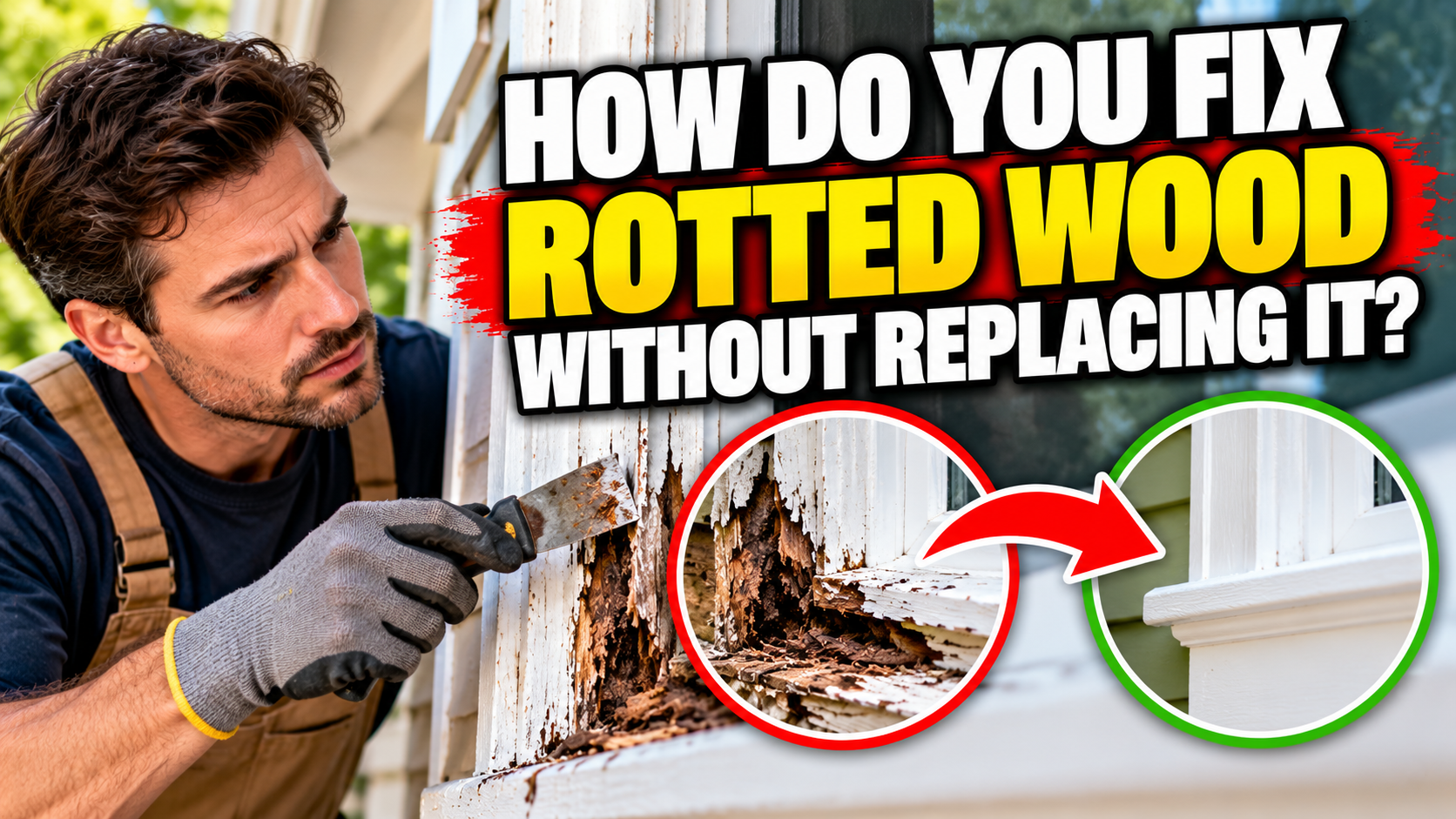
Localized rot may only require replacing a few damaged boards or panels.
However, widespread deterioration or significant moisture damage behind the siding may justify a larger replacement project.
Correcting the underlying moisture problem is essential regardless of which option you choose.
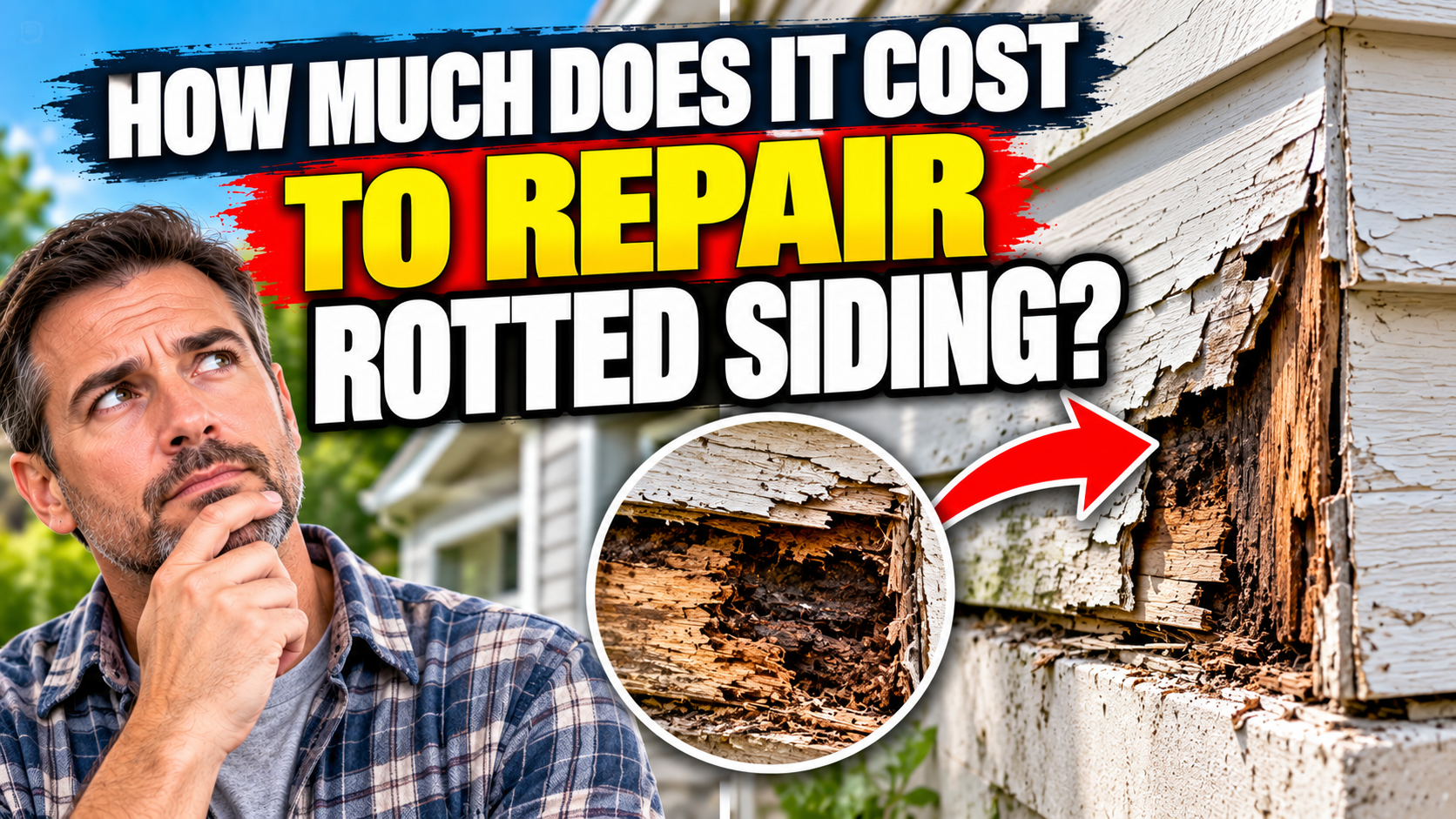
How Much Does It Cost to Repair Rotting Siding Without Insurance?
Repair costs depend on the siding material, damaged area, labor requirements, and condition of the underlying wall.
Minor repairs may cost a few hundred dollars, while extensive rot affecting sheathing or framing can require several thousand dollars or more.
A professional inspection can provide a clearer estimate.
How Illinois Weather Contributes to Siding Rot
Illinois homes experience heavy rain, humid summers, snow, and freezing winter temperatures.
These conditions can worsen existing moisture problems, especially around windows, roof intersections, and poorly maintained gutters.
Regular exterior inspections can help identify vulnerable areas before serious deterioration develops.
How Can Illinois Homeowners Prevent Siding Rot?
Keep gutters clear, maintain proper drainage, and inspect flashing around windows and doors.
Address damaged siding, failed seals, and water stains promptly to reduce the risk of moisture reaching the underlying wall.
Common Mistakes Homeowners Make When Filing Siding Insurance Claims
Common mistakes include assuming all rot is covered, failing to document damage, and waiting too long to report a potentially covered loss.
Homeowners should also avoid completing unnecessary permanent repairs before the insurer has an opportunity to inspect the damage.
How Sunrise Exterior Can Help Illinois Homeowners With Rotting Siding
Sunrise Exterior helps Illinois homeowners evaluate damaged siding and determine whether targeted repairs or replacement may be necessary.
A professional assessment can identify visible deterioration, potential moisture entry points, and affected materials.
This information can help homeowners plan appropriate repairs and provide useful documentation when discussing a potentially covered loss with their insurer.
Is Rotting Siding Covered by Insurance?
Rotting siding is generally not covered by homeowners insurance when caused by gradual moisture damage or aging. However, certain accidental losses and policy endorsements may provide coverage.
If your Illinois home has rotting siding, Sunrise Exterior can help assess the damage and recommend suitable repair or replacement solutions.
Recent Posts