Is It Better to Repair or Replace Siding?
Is It Better to Repair or Replace Siding?
Is It Better to Repair or Replace Siding?
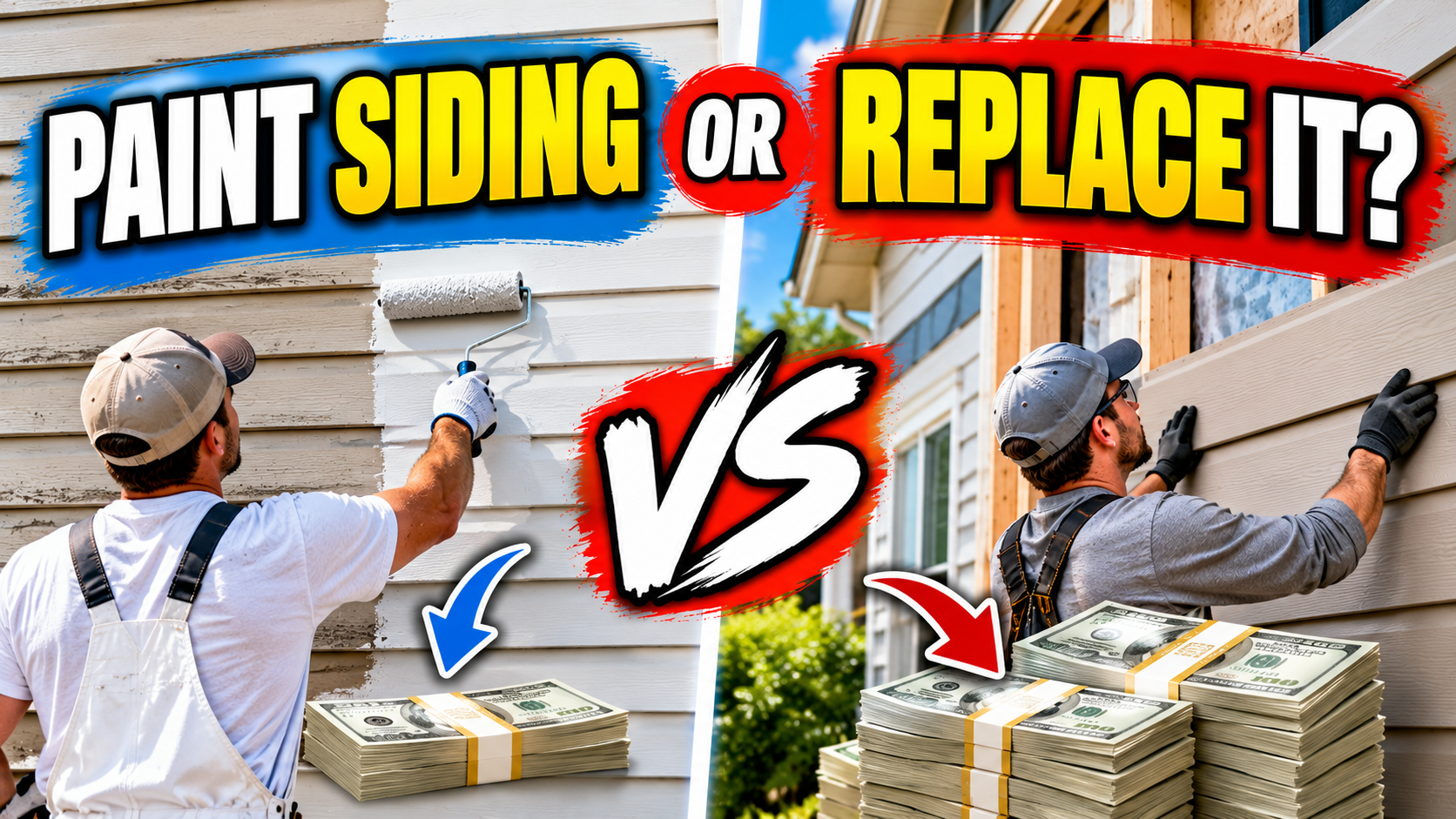
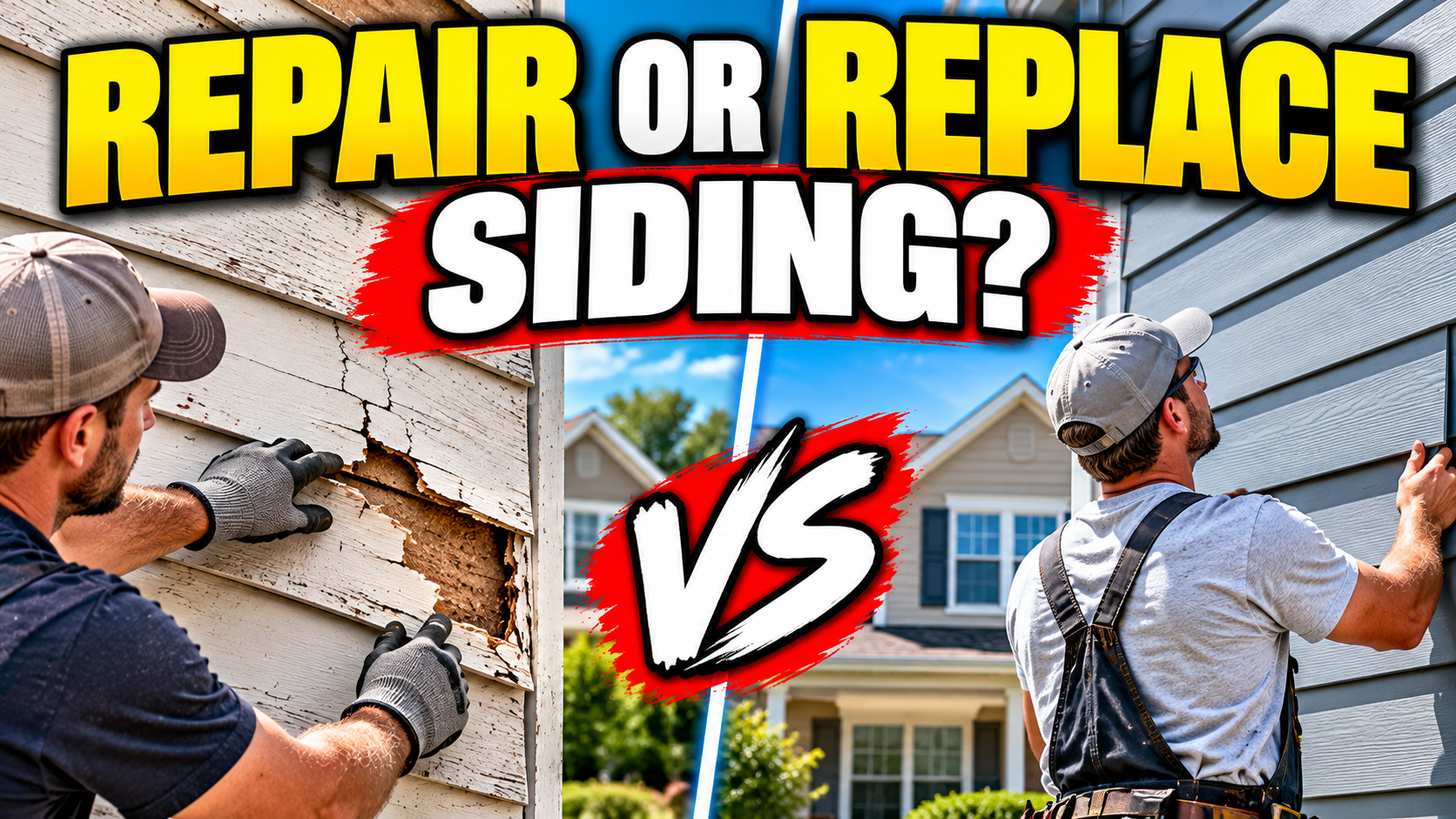
Repairing siding is usually the better option when damage is limited to a small area and the surrounding materials remain in good condition. However, replacing siding may be a smarter investment when deterioration is widespread, repairs are becoming frequent, or moisture has damaged the wall underneath.
The right decision depends on the condition of your siding, the extent of the damage, and the cost of repairs compared to replacement.
For Illinois homeowners, Sunrise Exterior can help evaluate existing siding and determine whether a targeted repair or complete replacement offers better protection and value.
When Is It Better to Repair Siding?
Repairing siding makes sense when damage is minor, localized, and the remaining exterior is still in good condition.
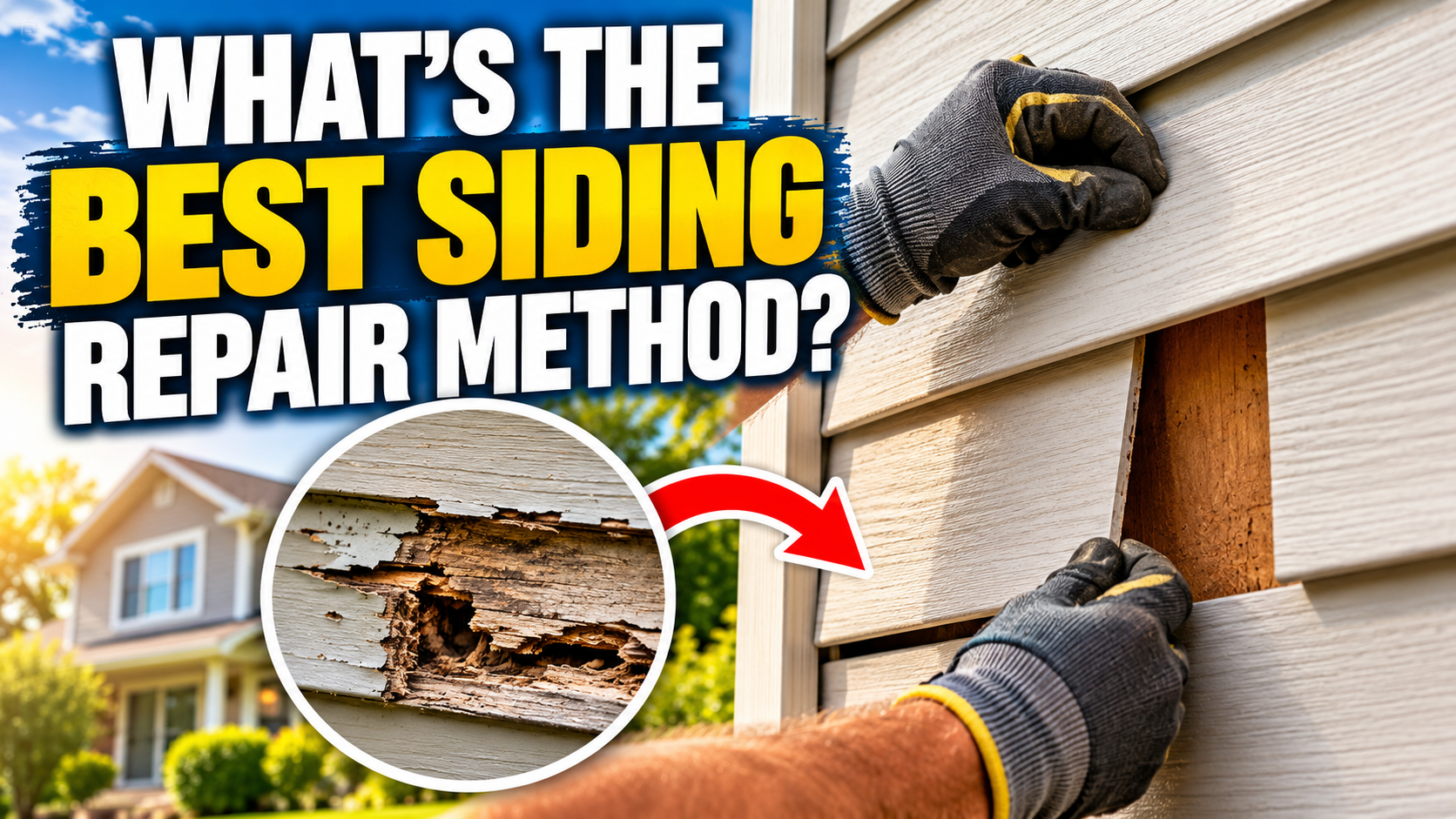
Common examples include cracked panels, loose siding, small areas of wood rot, minor storm damage, or a few broken boards.
A proper repair can restore the damaged section without the expense of replacing the entire exterior.
However, the underlying wall should be dry and structurally sound. If moisture has reached the sheathing or framing, additional repairs may be necessary before the siding can be restored.
When Is It Better to Replace Siding?
Replacing siding is usually the better choice when damage is widespread or the existing material is beginning to fail.
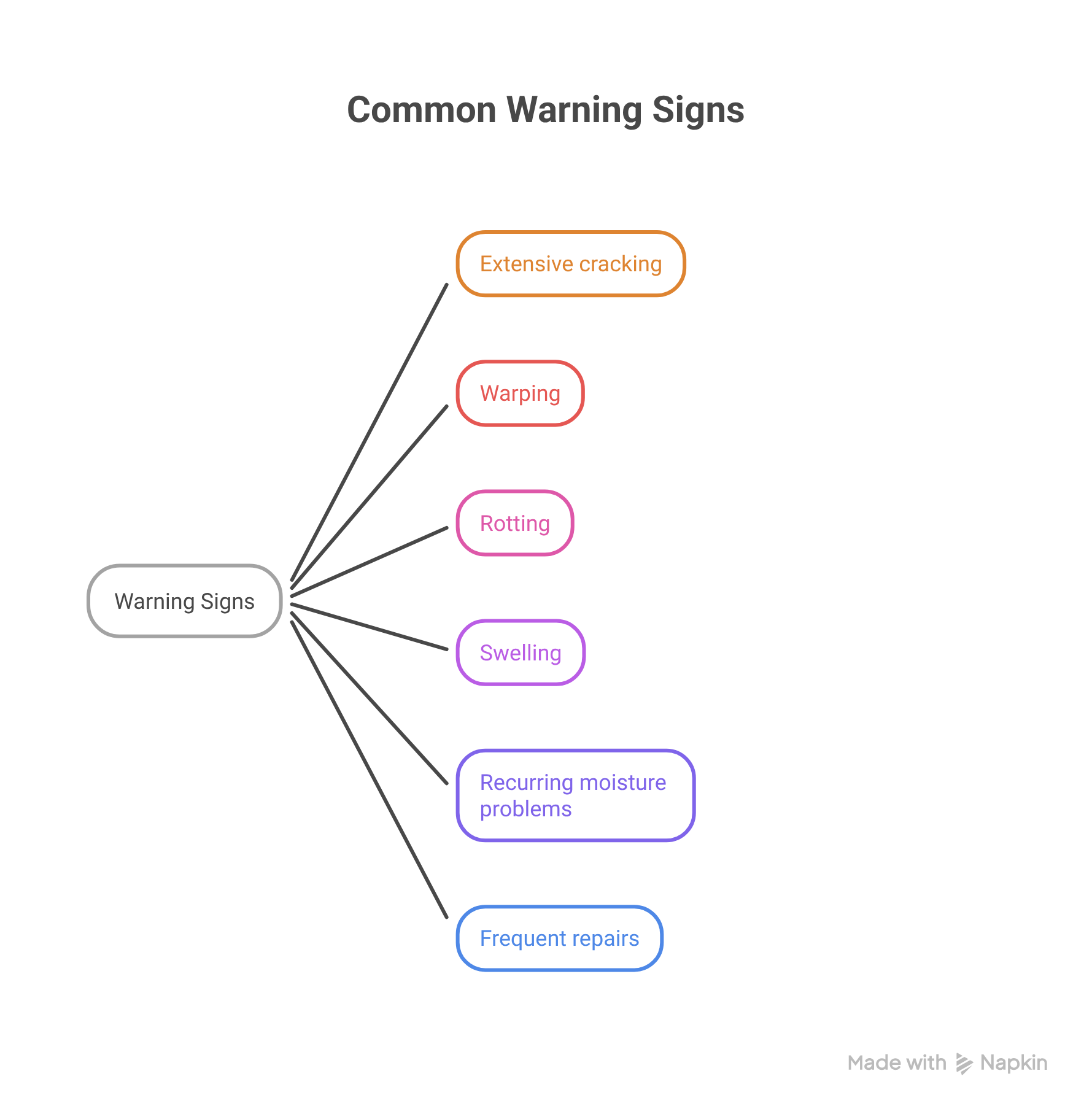
Common warning signs include extensive cracking, warping, rotting, swelling, recurring moisture problems, and frequent repairs.
When several areas of the home are deteriorating, repairing individual sections may only provide temporary relief while costs continue to add up.
For Illinois homeowners, Sunrise Exterior can help determine whether replacing the siding would provide better protection, improve curb appeal, and reduce future maintenance expenses.
The Condition of Your Siding Matters More Than Its Age
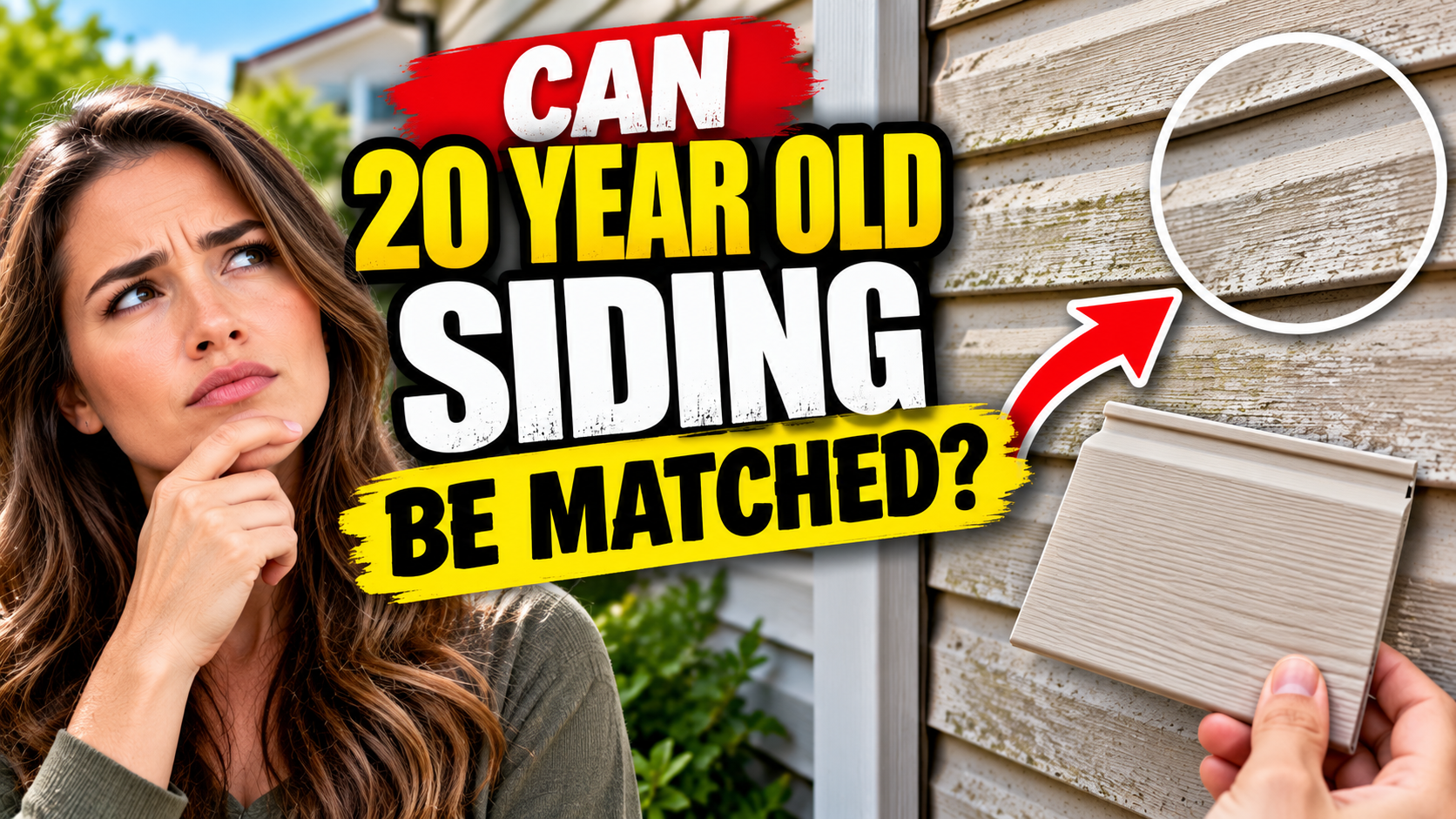
Older siding does not automatically need to be replaced. Even siding that is 20 years old may still perform well if it was properly installed and maintained.
Factors such as material quality, weather exposure, moisture damage, and previous repairs often matter more than age alone.
However, older siding that shows widespread cracking, warping, or deterioration may be approaching the point where replacement makes more financial sense.
A professional inspection can help determine whether the siding still has useful life remaining or whether replacement would be a better investment.
How Much Does Siding Repair Cost?
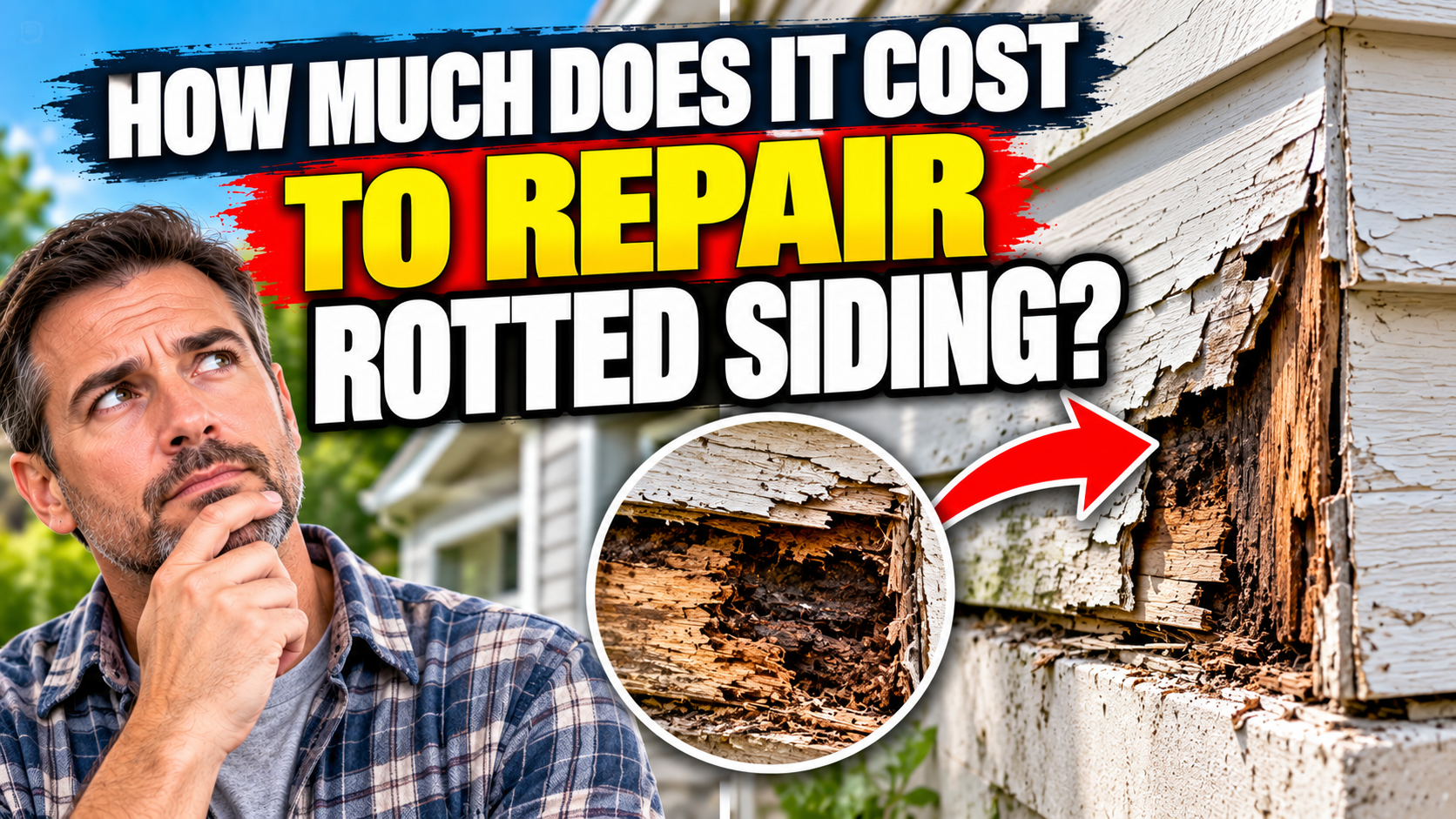
Typical siding repairs cost around $200 to $1,100, depending on the material, damage, and labor involved.
Larger repairs involving multiple panels, trim, or hidden moisture damage can cost considerably more.
How Much Does Siding Replacement Cost?
Full siding replacement typically costs around $5,500 to $17,700 nationally, although larger homes and premium materials can cost more.
The final price depends on the home's size, siding material, labor, removal, and any repairs needed underneath.
Is It Cheaper to Repair or Replace Siding?
Repairing siding is usually cheaper initially, especially when damage is limited to a few panels.
However, repeated repairs can become expensive. If the siding continues to deteriorate, replacement may offer better value over time.
The 50 Percent Rule for Siding Repair Versus Replacement
Some homeowners use the 50 percent rule as a budgeting guideline.
If repairing existing siding costs close to half the price of replacing it, a new installation may be worth considering.
This is not a legal requirement. The siding's condition and future maintenance needs should also influence the decision.
What Types of Siding Damage Can Usually Be Repaired?
Minor cracks, loose panels, isolated storm damage, and small areas of wood rot can often be repaired.
The surrounding siding and underlying wall should remain in good condition for a targeted repair to make sense.
What Are the Signs Your Siding Needs Replacement?
Widespread cracking, warping, swelling, rot, and repeated moisture problems can indicate that replacement is necessary.
When several walls show similar deterioration, continuing to repair individual sections may become impractical.
Can Damaged Siding Cause Water Problems?
Damaged siding and failed exterior details can allow moisture to reach vulnerable wall materials.
Over time, water can damage sheathing, insulation, trim, and framing.
Correcting the source of moisture is essential before completing repairs or installing new siding.
What Happens If There Is Damage Behind the Siding?
Hidden damage can significantly change the scope of a siding project.
Rotted sheathing, damaged housewrap, wet insulation, or deteriorated framing may require additional repairs.
A contractor may need to remove siding to inspect the affected area properly.
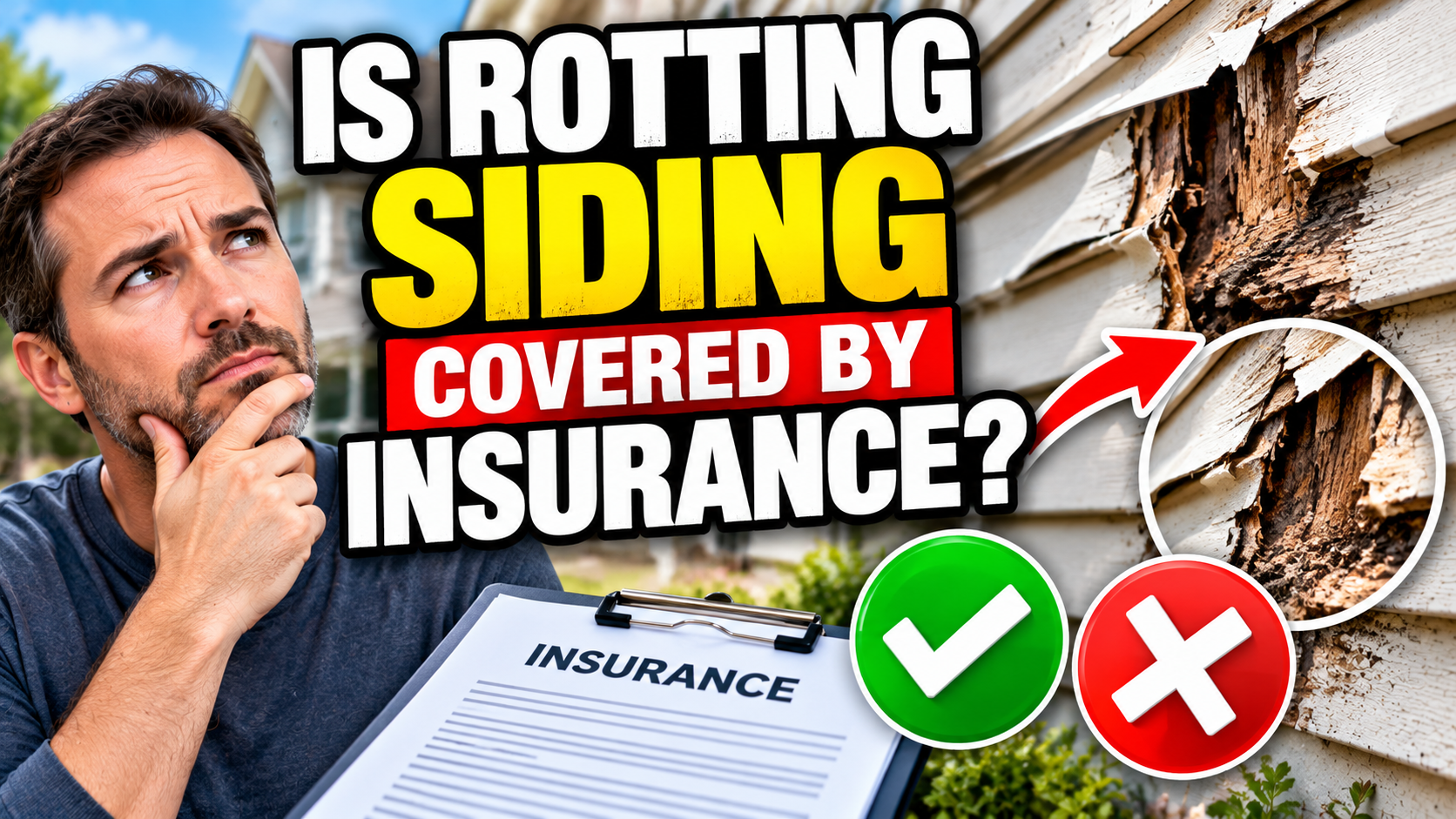
Should You Repair or Replace Rotted Siding?
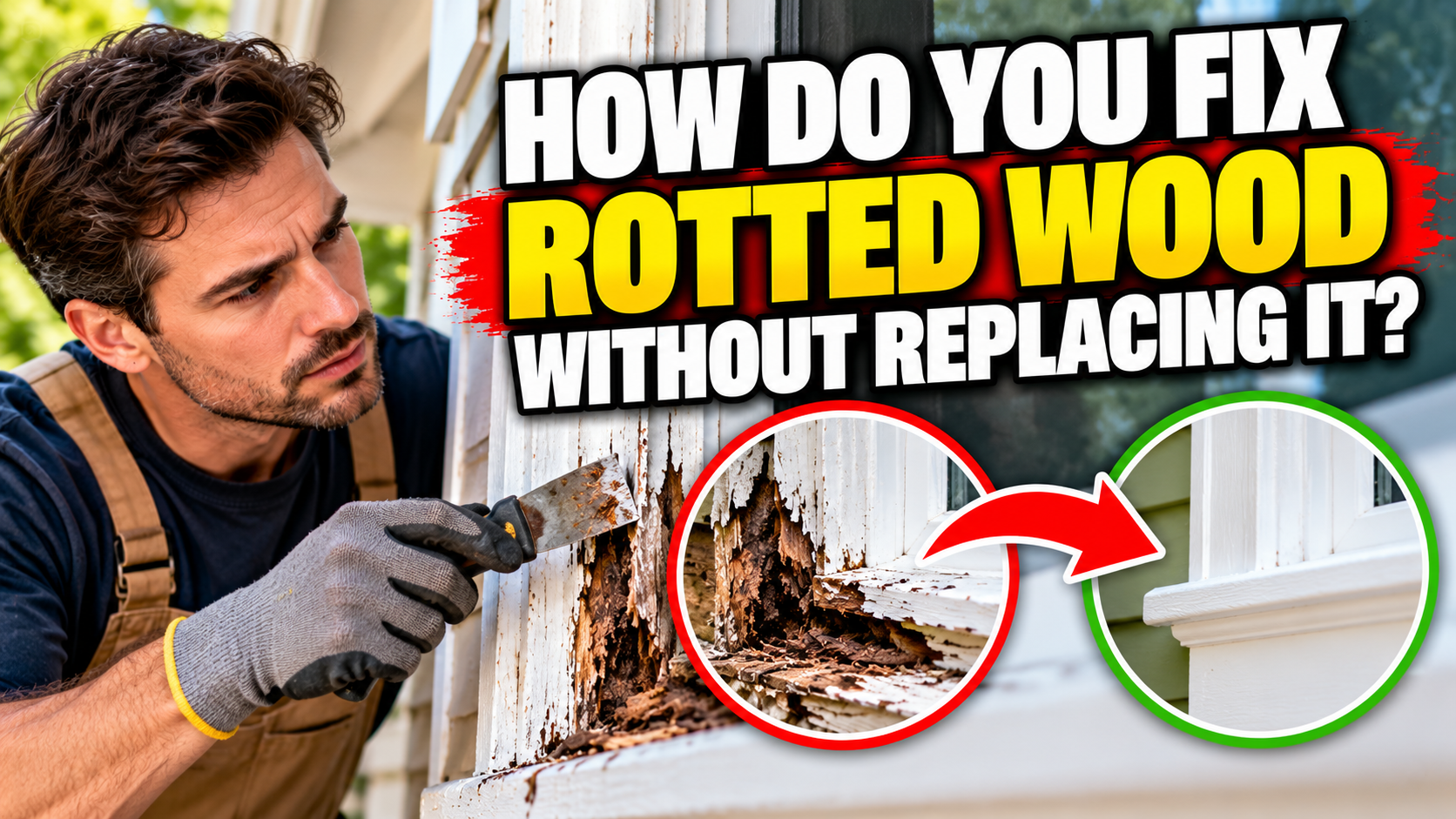
Small areas of wood rot may be repaired by replacing individual boards and correcting the moisture source.
When rot affects several sections or reaches the underlying wall, broader replacement may be more practical.
Can You Replace Just One Section of Siding?
Yes. Replacing one wall or a defined section can be a practical alternative to replacing the entire exterior.
This approach can work well when damage is concentrated in one area and the remaining siding is sound.
What If Your Existing Siding Cannot Be Matched?
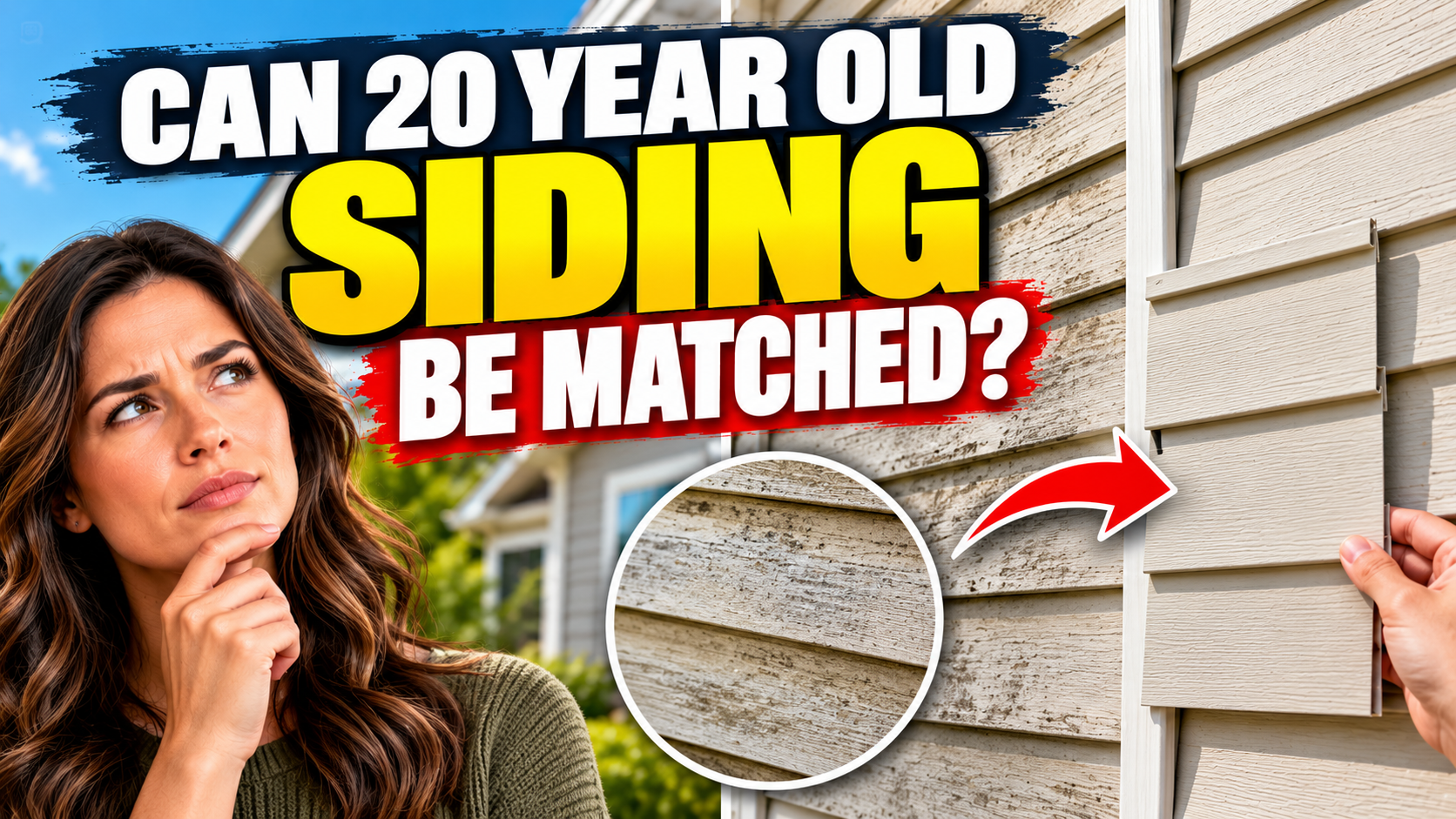
Older siding can be difficult to match because manufacturers discontinue colors, textures, and profiles.
When matching materials are unavailable, replacing an entire wall may produce a more consistent appearance than installing visibly different panels.
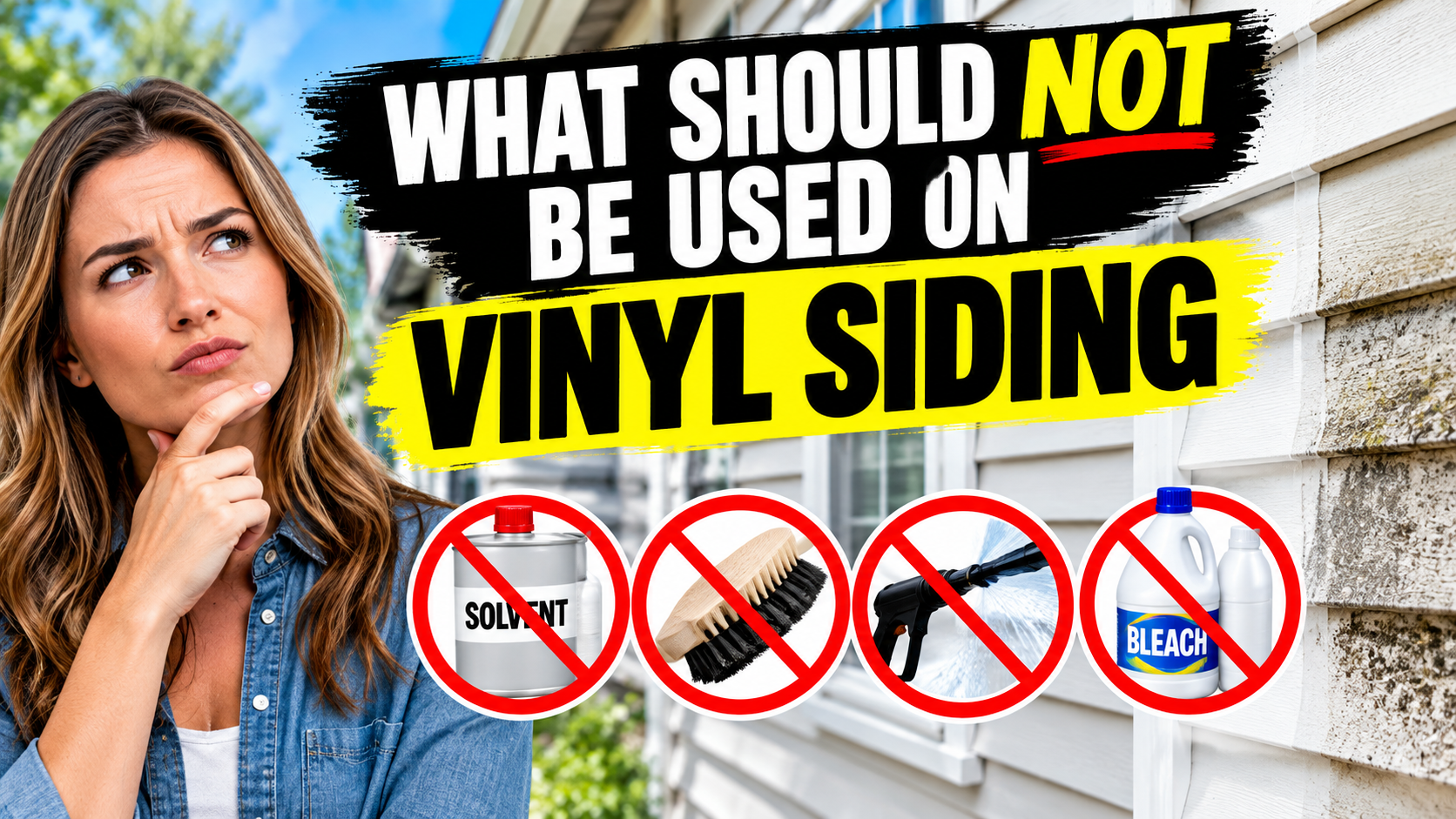
Is It Better to Repair or Replace Vinyl Siding?
Vinyl siding can often be repaired by replacing individual damaged panels.
However, widespread cracking, brittleness, warping, or unavailable matching materials may make replacement more practical.
Is It Better to Repair or Replace Wood Siding?
Localized wood siding damage can often be repaired by replacing affected boards.
Extensive rot, repeated moisture problems, and widespread deterioration may justify replacing larger sections or the entire exterior.
Is It Better to Repair or Replace Fiber Cement Siding?
Individual damaged fiber cement boards can often be replaced when the surrounding siding remains sound.
Broader replacement may be necessary when extensive damage or installation problems affect multiple areas.
Does Replacing Siding Increase Home Value?
New siding can improve curb appeal and potentially increase a home's resale appeal.
However, the financial return depends on the materials, installation quality, local housing market, and overall property condition.
Can New Siding Improve Energy Efficiency?
Siding replacement can create opportunities to improve insulation and address gaps in the exterior wall.
However, new siding alone does not guarantee significant energy savings. The underlying insulation and air sealing also matter.
How Illinois Weather Affects Siding
Illinois homes experience freezing winters, heavy rain, strong winds, and humid summers.
These conditions can contribute to siding wear and moisture problems, particularly when flashing or drainage is inadequate.
Choosing durable materials and maintaining the exterior can help protect the home.
What Should a Siding Inspection Include?
A siding inspection should evaluate visible damage, moisture concerns, trim, flashing, and the condition of accessible wall materials.
It should also consider material availability and whether repairs can provide a durable solution.
What Should a Siding Estimate Include?
A detailed estimate should explain materials, labor, removal, disposal, trim, flashing, finishing, and potential hidden repairs.
Comparing complete project scopes helps homeowners understand the actual cost of each option.
Common Mistakes When Deciding Whether to Repair or Replace Siding
Replacing siding based only on age can lead to unnecessary expenses.
Other mistakes include ignoring moisture problems, covering damaged materials, choosing temporary repairs, and comparing estimates that include different work.
How to Decide Whether Repair or Replacement Is Worth It
Consider the extent of damage, condition of the underlying wall, repair costs, material availability, and expected future maintenance.
Comparing targeted repair, sectional replacement, and full replacement estimates can help identify the most practical option.
How Sunrise Exterior Can Help Illinois Homeowners
Sunrise Exterior can help Illinois homeowners evaluate damaged siding and determine whether repair or replacement makes more sense.
By assessing visible deterioration, potential moisture problems, and the condition of the existing exterior, homeowners can make informed decisions about protecting their property.
Is It Better to Repair or Replace Siding?
Repairing siding is generally better when damage is minor and the remaining exterior is sound. Replacement becomes more practical when deterioration is widespread or repairs are becoming frequent.
Sunrise Exterior can help Illinois homeowners evaluate their siding and choose a solution that provides lasting protection, improved appearance, and better long term value.
Recent Posts